
J. D. Salinger
American writer J. D. Salinger (1919–2010) is best known for The Catcher in the Rye; he wrote influential short fiction, cultivated a reclusive life, and shaped postwar American literature.
Overview
Jerome David Salinger (January 1, 1919 – January 27, 2010) was an American writer whose work became central to mid-20th-century literature. He gained widespread recognition for a novel that captured adolescent alienation and frank speech, and for a series of shorter works that explored family, spirituality, and identity. Biographical summaries and bibliographies discuss his life, writing, and influence in greater detail: biography and resources.
Image gallery
6 Images


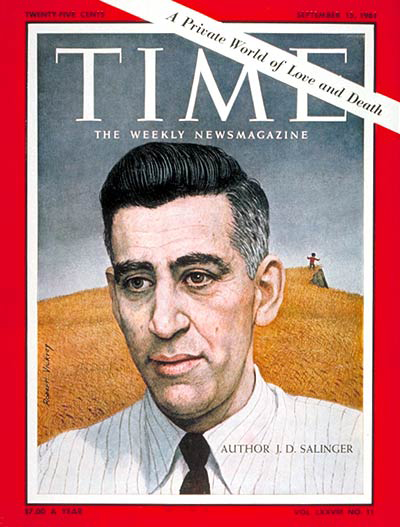
Career and major works
Salinger began publishing short stories in magazines in the 1940s. His best-known book, The Catcher in the Rye (1951), introduced Holden Caulfield, a disaffected teenager whose voice became emblematic of youthful dissent. Collections and novels that followed include Nine Stories (short fiction), Franny and Zooey, Raise High the Roof Beam, Carpenters, and Seymour: An Introduction. These works often center on the Glass family, recurring characters who probe questions of talent, suffering, and spiritual search.
Themes and style
Salinger is noted for a direct, conversational narrative voice, frequent first-person perspective, and scenes that emphasize psychological intensity. Major themes include adolescent disillusionment, the difficulty of authentic human connection, and the tension between public performance and private belief. His later fiction shows interest in Eastern religions and contemplative practice, elements that shaped character motivations and moral concerns.
Later life and legacy
After attaining fame, Salinger retreated from public life and lived much of his later years in New England, guarding his privacy and restricting access to unpublished material. He continued to write privately but published little after the 1960s. Critics and readers debate his influence: many credit him with changing the tone of American fiction and amplifying adolescent voices, while others critique aspects of his portrayal of youth. His works remain widely read, taught, and sometimes challenged in schools.
Notable facts
- Salinger's wartime experiences informed much of his early work and outlook.
- Holden Caulfield has become a cultural touchstone for discussions of teenage alienation.
- Questions about unpublished manuscripts and literary privacy persisted after his death.
Author
AlegsaOnline.com J. D. Salinger Leandro Alegsa
URL: https://en.alegsaonline.com/art/140151