
Nikolai Yezhov: Head of the NKVD during the Great Purge
Soviet secret police chief (1895–1940) who presided over the most intense phase of the Great Purge and was later removed, tried, and executed during Stalin's reign.
Overview
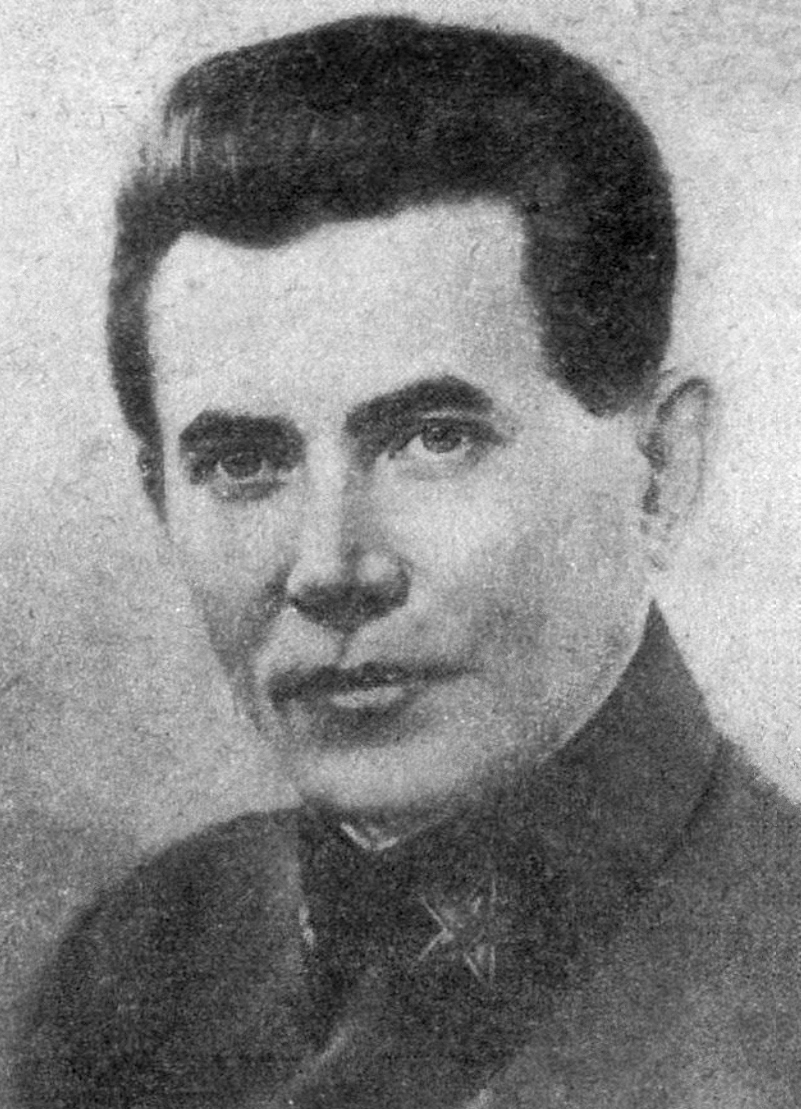
Nikolai Ivanovich Yezhov (Russian: Николай Иванович Ежов; born 1 May 1895) was a senior Soviet security official best known for leading the NKVD, the Soviet secret police, during the most intense phase of the Great Purge in the late 1930s. A loyal follower of Joseph Stalin, Yezhov directed large-scale arrests, executions and deportations that targeted party members, military officers, intelligentsia and ordinary citizens suspected of political disloyalty. He fell from power before the Second World War and was executed in 1940.
Image gallery
5 Images


Early life and political rise
Yezhov came from a modest background in the Russian Empire; his precise place of birth is uncertain in sources and sometimes given as St. Petersburg or locations in present-day Lithuania. He joined the Bolshevik movement in 1917 and served in various party and security roles during the 1920s and early 1930s. Over time he built a reputation as a determined enforcer of party discipline and a reliable supporter of Stalin in internal security matters.
Leadership of the NKVD and the Great Purge
Yezhov became head of the NKVD in the mid-1930s, replacing Genrikh Yagoda. Under his direction the apparatus of repression expanded dramatically. The period often associated with his name—sometimes referred to in Russian history as the "Yezhovshchina"—saw mass arrests, expedited trials, executions and widespread use of forced labor camps. Instruments of the state were reorganized to enable rapid identification and removal of perceived opponents, and central quotas and directives were implemented to meet political objectives.
Methods, organization and impact
The NKVD under Yezhov combined administrative orders, detailed police work and political direction from the top leadership. Local organs were given arrest quotas; interrogation and interrogation-derived confessions played a central role in convictions; and show trials were staged to provide public justifications for purges. The human cost was enormous: party members, district officials, senior military officers and civilians were deported, imprisoned or executed in large numbers. The purges disrupted institutions across the Soviet Union and left a lasting impact on Soviet political culture.
Downfall, trial and execution
As the purge campaign wound down, Yezhov himself lost Stalin's confidence. He was dismissed from the NKVD in 1938 and reassigned to a lower post. In 1939 he was arrested, accused of crimes including abuse of office and participation in anti-Soviet conspiracies, and subjected to a closed trial. Yezhov was convicted and executed in 1940. His fate—proclaimed publicly after his removal—illustrates the precarity of power within the Soviet leadership and the tendency of the regime to purge even its chief agents of repression.
Legacy and historical assessment
Historians regard Yezhov as a central figure in the mechanics of the Great Purge, though responsibility for the campaign is shared with senior political leaders, particularly Stalin. Yezhov's tenure is studied as an example of how centralized political objectives, institutional incentives and personal ambition combined to produce large-scale state terror. After his death, Soviet accounts denounced him as an enemy of the people, and his name became associated with the most brutal phase of 1930s repression.
Further reading and sources
- Biographical overview and primary documents
- Timeline of Yezhov's career
- Studies of the NKVD and internal security
- Analysis of the Great Purge
- Organizational history of the NKVD
- Contemporary accounts of Stalin's leadership
- Regional biographical records
- Background on Imperial Russian provinces
- Context on Baltic territories in the Russian Empire
- Documents on the 1917 Bolshevik movement
- October Revolution background
- Writings attributed to Yezhov and contemporaries
- Records of NKVD leadership changes
- Trials, rehabilitation and posthumous assessments
Author
AlegsaOnline.com Nikolai Yezhov: Head of the NKVD during the Great Purge Leandro Alegsa
URL: https://en.alegsaonline.com/art/127679