
Lavrenty Beria: Soviet security chief and politician
Profile of Lavrenty P. Beria (1899–1953), Georgian-born Soviet politician who led the NKVD/MVD, oversaw state security and repression under Stalin, and was arrested and executed after Stalin's death.
Overview
Lavrenty Pavlovich Beria (Georgian: ლავრენტი ბერია; Russian: Лаврентий Павлович Берия) was a Soviet politician and state security chief. Born in Merkheuli (Merkheuli in the late Russian Empire, now in the Caucasus region often associated with Georgia and Abkhazia) and later based in Moscow (Moscow, RSFSR), Beria rose from modest origins to senior leadership of the Soviet security apparatus. He became a prominent and controversial figure during Joseph Stalin's rule.
Image gallery
10 Images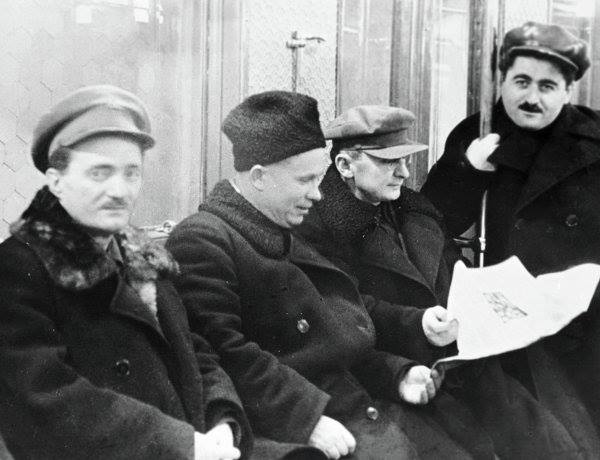

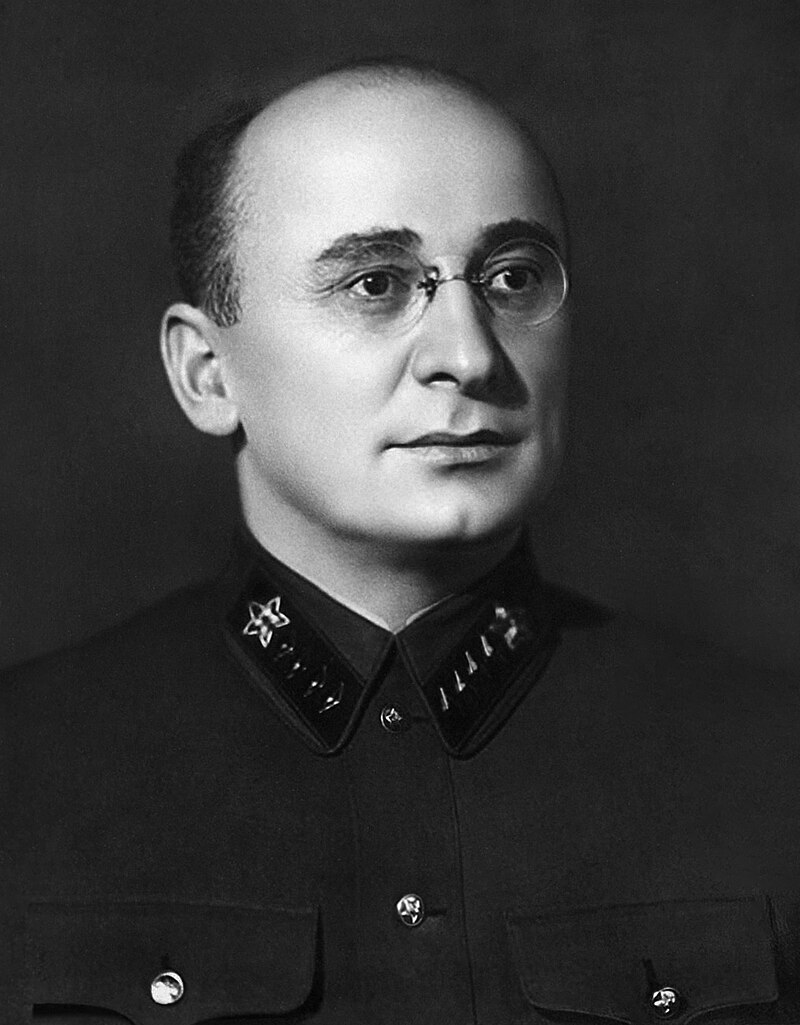
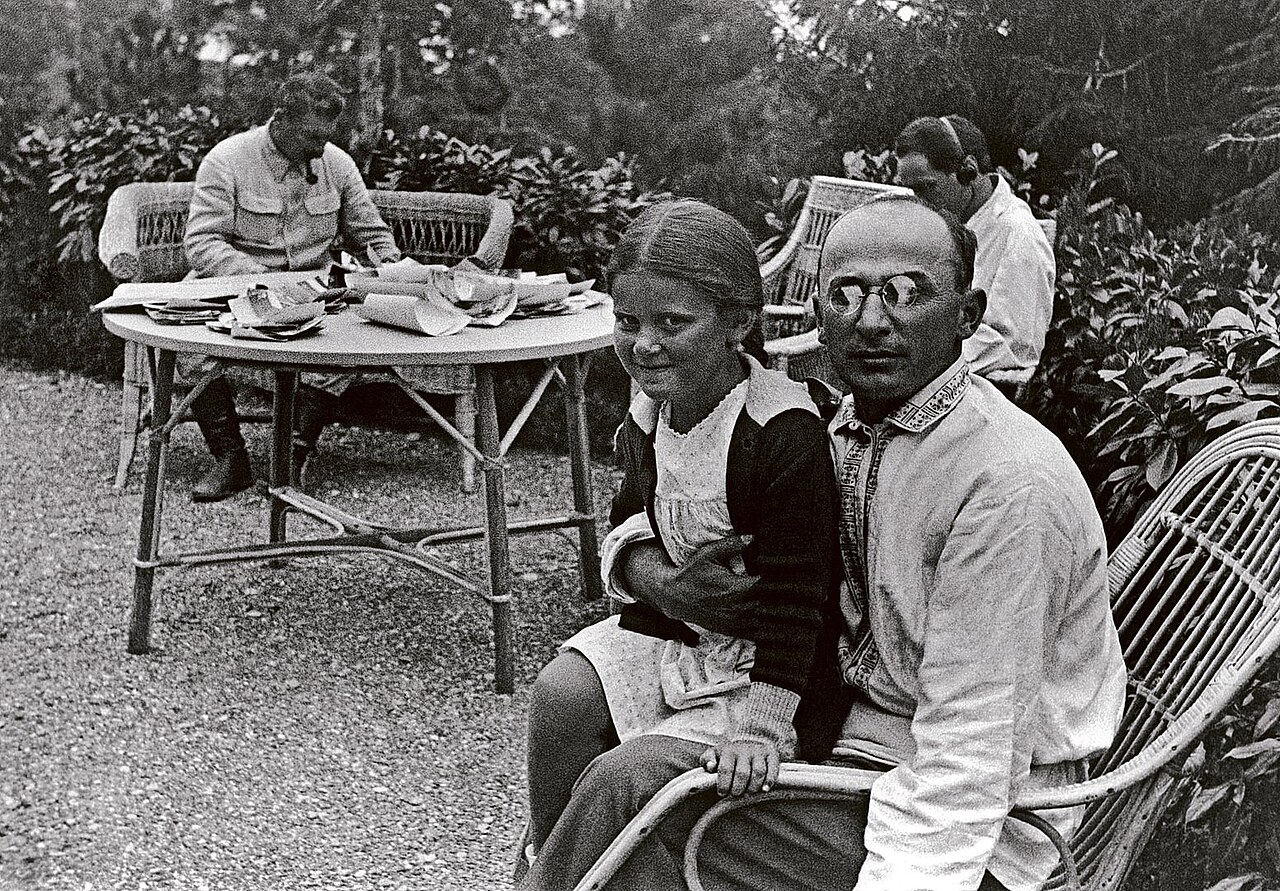


Early life and political rise
Beria came from a rural Georgian family and joined the revolutionary movement as a young man, entering Bolshevik circles around the time of the 1917 revolutions (Bolshevik). Over subsequent decades he held regional and administrative posts in the Caucasus and proved adept at political maneuvering. Sources note his background as coming from a poor family (background), which mirrored the origins of many Soviet leaders.
Offices and responsibilities
From the late 1930s through the early 1950s Beria supervised the Soviet internal security organs. His formal responsibilities included:
- Head of the NKVD (People's Commissariat for Internal Affairs) during key years before and during World War II; see NKVD.
- Head of the MVD (the later ministry that included internal security and policing).
- Member of the Soviet leadership responsible for internal order and intelligence under Joseph Stalin.
Role during war and after
As security chief Beria presided over a broad range of activities: intelligence and counterintelligence, political policing, mass arrests and deportations of several ethnic groups, and the oversight of labor camps. He was also involved in technical and scientific projects of the state, including the Soviet atomic program. Wartime exigencies and postwar consolidation expanded the power of his ministry and increased its political influence.
Downfall and death
After Stalin's death in 1953 factions in the Soviet leadership moved against Beria. He was arrested in June 1953, charged with a range of crimes in a secret trial and executed in December of the same year. His removal and execution were part of a wider realignment in the Kremlin that also involved figures such as Nikita Khrushchev and others who sought to curb the power of the security services.
Legacy and historical assessment
Beria remains a divisive figure in modern historical accounts. Critics emphasize his central role in political repression, extrajudicial measures and responsibility for numerous victims of state terror. Other historians note his organizational skills and the complex, often opaque politics of the Stalin era that shaped his career. For further reading on language, biography and archival material see national-language entries and institutional histories: Georgian-language accounts (name in Georgian), Russian-language archives (name in Russian), place-based studies of Merkheuli and the Caucasus (Abkhazia), imperial context (Russian Empire), Moscow archival records (Moscow), Soviet administrative frameworks (RSFSR), party context (Bolshevik), social background discussions (family background), the security apparatus (secret police), the Stalin leadership (Stalin) and the NKVD institutional history.
Questions and answers
Q: What was Lavrenty Pavlovich Beria's nationality?
A: Lavrenty Pavlovich Beria was a Georgian-Bolshevik and Soviet Politician.
Q: When and where was he born?
A: He was born on 9 March 1899 in Merkheuli, Russian Empire (Georgia or Abkhazia).
Q: When did he join the Bolshevik Party?
A: He joined the Bolshevik Party led by Vladimir Ilyich Lenin in 1917 at age 18.
Q: What positions did he hold under Joseph Stalin's regime?
A: From 1938-1945, Beria was leader of the secret police of the Soviet Union (head of the NKVD) and from 1946-1953 he held the position of Head of the MVD.
Q: Who plotted to have him executed in 1953?
A: Nikita Krushchev plotted to have Beria executed in 1953.
Q: Where did his execution take place?
A: His execution took place in Moscow, RSFSR Soviet Union.
Related articles
Author
AlegsaOnline.com Lavrenty Beria: Soviet security chief and politician Leandro Alegsa
URL: https://en.alegsaonline.com/art/124105