
Leopoldo Galtieri — Argentine general and president (1981–1982)
Argentine general Leopoldo Galtieri led the military government in 1981–82; he ordered the Falklands invasion and was removed after the war, leaving a contested legacy tied to dictatorship and defeat.
Overview
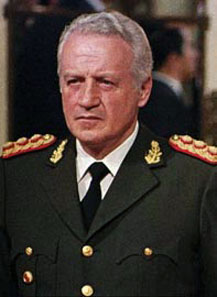
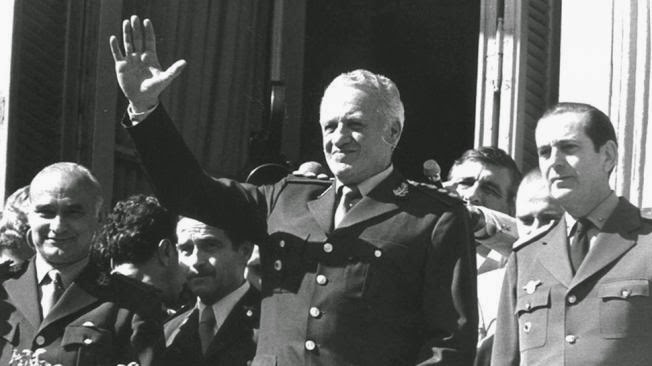
Leopoldo Fortunato Galtieri Castelli (1926–2003) was an Argentine army general who served as de facto President of Argentina from 22 December 1981 until 18 June 1982. He rose within the military hierarchy and became one of the leading figures of the ruling junta that governed Argentina under the National Reorganization Process. His short tenure is most widely remembered for the decision to seize the Falkland Islands and the subsequent war with the British government.
Image gallery
6 Images


Military career and rise to power
Galtieri built his reputation as an officer in the Argentine Army and by the late 1970s had achieved high command. Colleagues and contemporaries regarded him as a conservative military leader with nationalist views who moved into political roles as the junta consolidated control. As a political actor within the regime, he supported hardline measures that the government used to suppress dissent and manage an increasingly unstable economy.
Falklands War and removal from office
In April 1982 Galtieri approved a military operation to occupy the Falkland Islands (Islas Malvinas), an act described by many observers as the invasion intended to rally domestic support. The move led to a short, intense conflict with the United Kingdom. The Argentine forces were defeated, and the failure of the operation undermined the junta's authority, prompting Galtieri's removal from power in June 1982.
Aftermath and legacy
The defeat in the Falklands War accelerated the collapse of the military government and opened the way for democratic elections in 1983. Galtieri's period in power is associated with both the attempt to reclaim the islands and the broader human rights abuses and economic mismanagement of the dictatorship era. In later years he faced legal proceedings related to the junta's actions; opinions about him remain sharply divided, reflecting national wounds over the war and the repressive policies of the regime.
Notable facts
- Galtieri's presidency lasted less than seven months but had outsized political consequences.
- The Falklands episode is a defining event in contemporary Argentine history and international relations.
- Historical assessments weigh his role in both foreign adventurism and domestic repression.
Further reading and archival materials are available from military, political, and international relations sources for those who wish to explore the topic in depth. Military records, biographical sketches, and contemporary analyses of the dictatorship provide context, while accounts of the British response and the Falklands campaign detail the operational history of the invasion.
Related articles
Author
AlegsaOnline.com Leopoldo Galtieri — Argentine general and president (1981–1982) Leandro Alegsa
URL: https://en.alegsaonline.com/art/124262
Sources
- clarin.com : Argentina's Military Dictatorship
- whatargentina.com : Murió Galtieri, el general que llevó al país a la guerra
- gwu.edu : New Documents Describe Key Death Squad Under Former Army Chief Galtieri