
Leopold and Loeb: the 1924 Chicago murder, trial, and legacy
Nathan Leopold and Richard Loeb, wealthy University of Chicago students, kidnapped and murdered 14‑year‑old Bobby Franks in 1924. Their trial, defense by Clarence Darrow, and cultural impact remain widely studied.
Overview
Nathan Freudenthal Leopold, Jr. (1904–1971) and Richard Albert Loeb (1905–1936) were two affluent young men from Chicago whose name became synonymous with a notorious 1924 crime. Both were students associated with the University of Chicago and came from privileged backgrounds. In May 1924 they abducted and murdered 14‑year‑old Robert "Bobby" Franks, an event that quickly drew intense public attention and a sustained legal and cultural aftermath.
Image gallery
7 Images

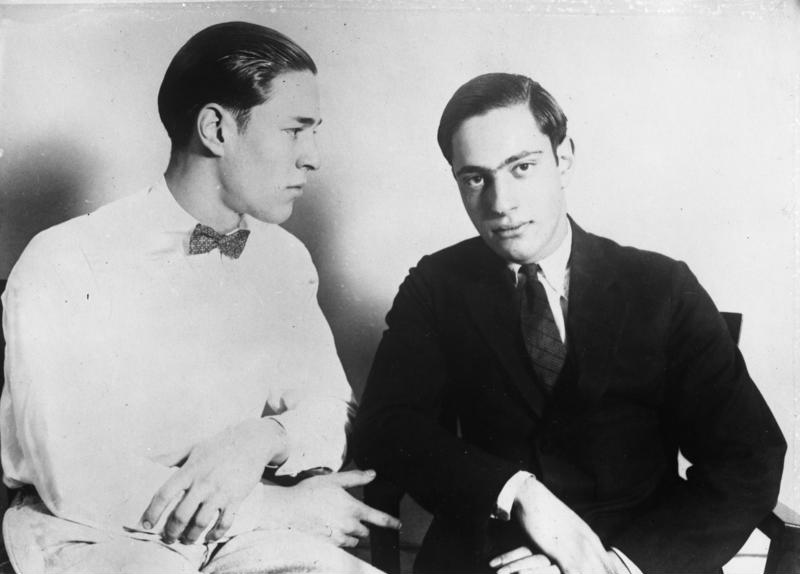


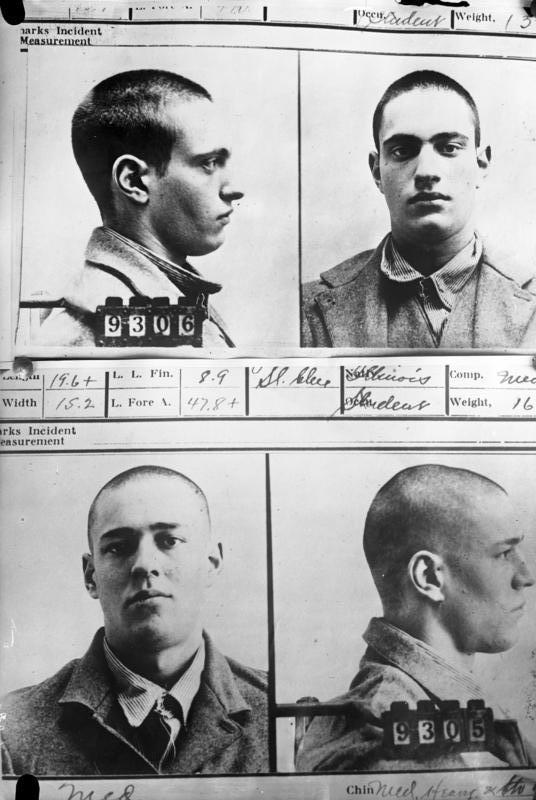
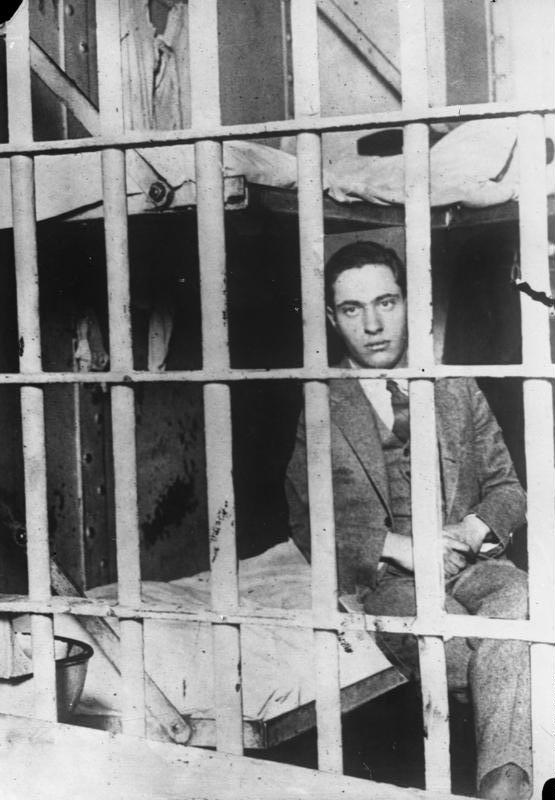
The crime and investigation
The pair planned what they described as an experiment in committing the "perfect crime," motivated by a mixture of intellectual bravado and thrill‑seeking rather than robbery or personal grievance. After the killing, the victim's body was concealed and the perpetrators attempted to disguise their involvement. A key turn in the investigation came when a distinctive pair of eyeglasses was discovered near the body; tracing that evidence helped lead police to one of the suspects and ultimately to both men.
Trial, defense, and sentence
Leopold and Loeb were tried in Chicago in a courtroom atmosphere dominated by public outrage and media attention. The defense retained the celebrated attorney Clarence Darrow, whose dramatic argument opposed capital punishment and emphasized psychological, social, and developmental factors bearing on criminal responsibility. Darrow's eloquent plea helped persuade the judge to impose life imprisonment rather than the death penalty. The sentence and the nature of the defense made the case a focal point in contemporary debates over punishment, mental illness, and the death penalty.
Aftermath and later lives
Richard Loeb was murdered by a fellow inmate in prison in 1936. Nathan Leopold served many years under sentence, was eventually paroled in 1958, and lived until 1971. The case left enduring legal and cultural traces: it raised questions about how courts should weigh intellect, upbringing, and psychiatric evaluation in capital cases, and it illustrated how forensic evidence could turn an investigation.
Cultural legacy and influences
The sensational nature of the case inspired numerous dramatizations and works of fiction. Patrick Hamilton's 1929 play Rope and Alfred Hitchcock's subsequent film adaptation are the most widely known indirect treatments; both drew on the notion of two young intellectuals attempting a perfect crime. Later, more directly based works such as the film Compulsion and the art‑house film Swoon revisited the facts and themes of the Leopold and Loeb story. These adaptations have kept public attention on the case and its moral dilemmas.
Notable aspects and significance
- Forensic importance: Small physical clues—most famously a pair of spectacles—played a decisive role in identifying the perpetrators.
- Legal and ethical debates: The trial intensified discussion about capital punishment, the role of psychological mitigation, and the proper aims of sentencing.
- Social context: The defendants' social class and youth prompted examination of privilege, responsibility, and how society responds when well‑educated individuals commit violent crimes.
- Cultural impact: The story has been retold and reinterpreted in theater, film, and literature, including works linked to Alfred Hitchcock, and has been analyzed in legal and criminological studies.
For discussion of the trial and its leading figures, see contemporary treatments of Clarence Darrow's role as counsel (Clarence Darrow) and the legal outcomes including the imposition of life sentences (life imprisonment).
Questions and answers
Q: Who were Leopold and Loeb?
A: Leopold and Loeb were two wealthy University of Chicago law students who kidnapped and murdered 14-year-old Robert "Bobby" Franks in 1924 in Chicago.
Q: What motivated Leopold and Loeb to murder Robert Franks?
A: Leopold and Loeb were motivated to murder Franks by their desire to commit a perfect crime.
Q: Who did Leopold and Loeb hire as counsel for the defense once they were arrested?
A: Leopold and Loeb hired Clarence Darrow as counsel for the defense once they were arrested.
Q: What was Darrow's summation at the trial of Leopold and Loeb?
A: Darrow's summation in their trial criticized capital punishment as retribution, rather than rehabilitation.
Q: What was the sentence for Leopold and Loeb for the kidnapping and murder of Robert Franks?
A: Leopold and Loeb were sentenced to life imprisonment.
Q: What happened to Richard Albert Loeb?
A: Loeb was killed by a fellow prisoner in 1936.
Q: When was Nathan Freudenthal Leopold, Jr. released from prison?
A: Leopold was released on parole in 1958.
Related articles
Author
AlegsaOnline.com Leopold and Loeb: the 1924 Chicago murder, trial, and legacy Leandro Alegsa
URL: https://en.alegsaonline.com/art/124264
Sources
- mocavo.com : Nathan Leoplold (1904-1971), Social Security Death Index
- homicide.northwestern.edu : Homicide in Chicago 1924 Leopold & Loeb