
Léo Delibes
French Romantic composer (1836–1891), renowned for ballets Coppélia and Sylvia and the opera Lakmé; noted for graceful melodies, vivid orchestration, and influence on French stage music.
Léo Delibes (born Saint-Germain-du-Val, 21 February 1836 — died 16 January 1891) was a French composer associated with the late Romantic era and with music for the stage. He wrote ballets, operas, operettas and a variety of theatre music. Today he is best remembered for ballets such as ballets like Coppélia and Sylvia, and for the opera Lakmé, which contains well‑known numbers that have entered the concert repertoire.
Image gallery
6 Images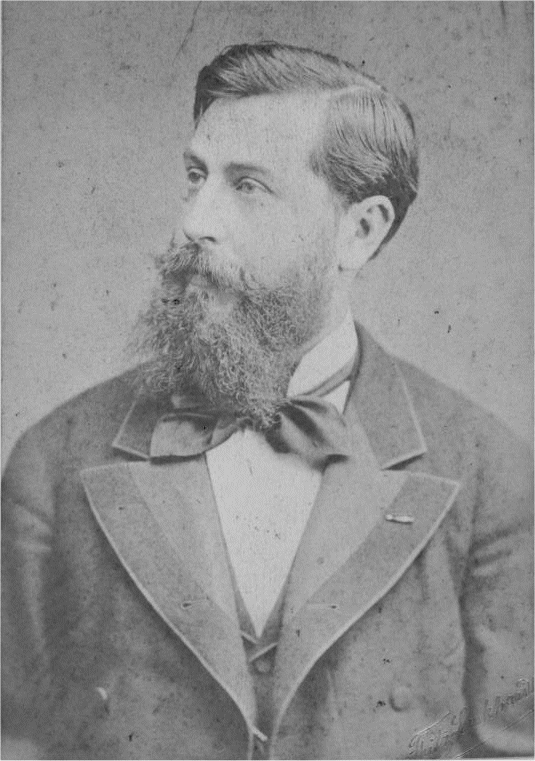


Style and musical characteristics
Delibes combined clear, singable melodies with transparent, colorful orchestration. Working for the Paris stage, he developed a gift for danceable rhythms and effective scoring for woodwinds and harp. His writing often favors graceful lyricism, light harmonic shading rather than heavy chromaticism, and an ear for memorable motifs that support both dramatic action and choreography. He is frequently described as a composer who helped raise the musical level of ballet scores by giving them independent melodic and orchestral interest.
Major works and examples
- Coppélia — a comic ballet known for its tuneful dances and vivid character pieces.
- Sylvia — a later ballet admired for its classical elegance and orchestral color.
- Lakmé — an opera noted for the Flower Duet and the coloratura aria often called the "Bell Song"; it demonstrates Delibes’s skill at vocal writing and exotic atmosphere.
- Numerous shorter theatrical works, choruses and songs that supplied Parisian theatres with effective incidental music.
Earlier in his career Delibes composed light stage pieces and operettas (operettas) before securing commissions for larger ballets and operas (operas). Working in the vibrant musical life of 19th‑century Paris, he benefited from a growing public interest in ballet and opera and from the practical demands of theatres that needed music serving singers, dancers and orchestras alike.
Legacy and notable facts
Delibes's music remains in the active repertoire because it balances charm, craftsmanship and theatrical effectiveness. Excerpts are frequently used in ballet seasons, concert suites and film or media, ensuring that pieces such as the Flower Duet and suites from his ballets continue to reach broad audiences. Scholars and performers note his role in making ballet scores more musically substantial and in influencing later French composers who valued color and graceful melody within stage genres. For further reading see sources linked to general entries on Romantic music and performance histories of ballets.
Notable: while Delibes wrote in the Romantic tradition, his music often points toward the lighter, more transparent orchestral palette that came to be associated with French music at the end of the 19th century.
Related articles
Author
AlegsaOnline.com Léo Delibes Leandro Alegsa
URL: https://en.alegsaonline.com/art/123947