
Boletus: the pore-bearing mushrooms (porcini and relatives)
Boletus is a genus of pore-bearing fungi noted for large edible species like porcini. Members form mycorrhizae with trees, have sponge-like pores under the cap, and have undergone modern taxonomic revision.
Boletus is a traditional genus name applied to a group of fleshy, pore-bearing mushrooms in the family Boletaceae. Many people know the group through Boletus edulis, commonly called porcini or king bolete, prized in European, Asian and South American cuisines. Historically the name Boletus covered a large and diverse set of species; modern molecular studies have redistributed numerous species into related genera, but the term remains useful when discussing the classic pore-bearing boletes and their culinary and ecological roles. For further taxonomic context see taxonomic resources.
Image gallery
4 Images


Key characteristics
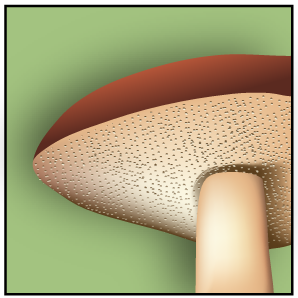
Boletes differ from gilled mushrooms by having a spongy hymenophore of tubes that end in pores rather than lamellae. Typical features include a convex cap that may become flat with age, a stout stipe (stem) without a ring, and an underside of small, often round pores. Flesh color, staining reactions (some species bruise blue), and taste are used in identification. Spore prints tend to be olive-brown to brown. A concise field guide entry can be found at field guide.
Ecology and distribution
Most Boletus species are ectomycorrhizal: they form mutually beneficial associations with the roots of trees such as oaks, pines, firs and birches. These partnerships are important for nutrient exchange and forest health. Boletes occur worldwide but are most common in temperate and subtropical woodlands. Seasonal fruiting bodies appear on the forest floor, often in association with specific tree hosts; regional checklists and occurrence records are compiled by local mycological societies and databases (regional records).
Uses, culinary value and collection
Several Boletus species are esteemed edibles. Porcini (B. edulis and close relatives) are used fresh, dried or preserved and feature prominently in European and Asian cookery and in international gourmet markets. Boletes are foraged commercially and by hobbyists; sustainable harvesting and accurate identification are important. See culinary notes and recipes in regional cookbooks and foraging guides (European cuisine, Asian uses, South American traditions).
Taxonomy, common species and cautions
The genus Boletus has been reshaped by DNA-based taxonomy: some classic species remain in Boletus while others have been moved to genera such as Suillellus, Rubroboletus and Neoboletus. Notable taxa historically placed in Boletus include B. edulis (edible), B. aereus and species once called B. satanas (now reassigned and known for toxicity). Because lookalikes exist, careful attention to pore color, bruising, habitat and spore print is required. When in doubt, consult expert guides or local mycologists before consuming wild boletes.
- Characteristics: pores not gills, mycorrhizal, stout stems.
- Importance: ecological partners, valued food mushrooms.
- Safety: accurate ID required; some species are bitter or toxic.
Related articles
Author
AlegsaOnline.com Boletus: the pore-bearing mushrooms (porcini and relatives) Leandro Alegsa
URL: https://en.alegsaonline.com/art/12763