
Platelet (thrombocyte): structure, function, and clinical importance
Platelets are small, anucleate blood fragments essential for clotting, vessel repair, and immune responses. This article explains their structure, production, roles in hemostasis, disorders, tests, and therapeutic uses.
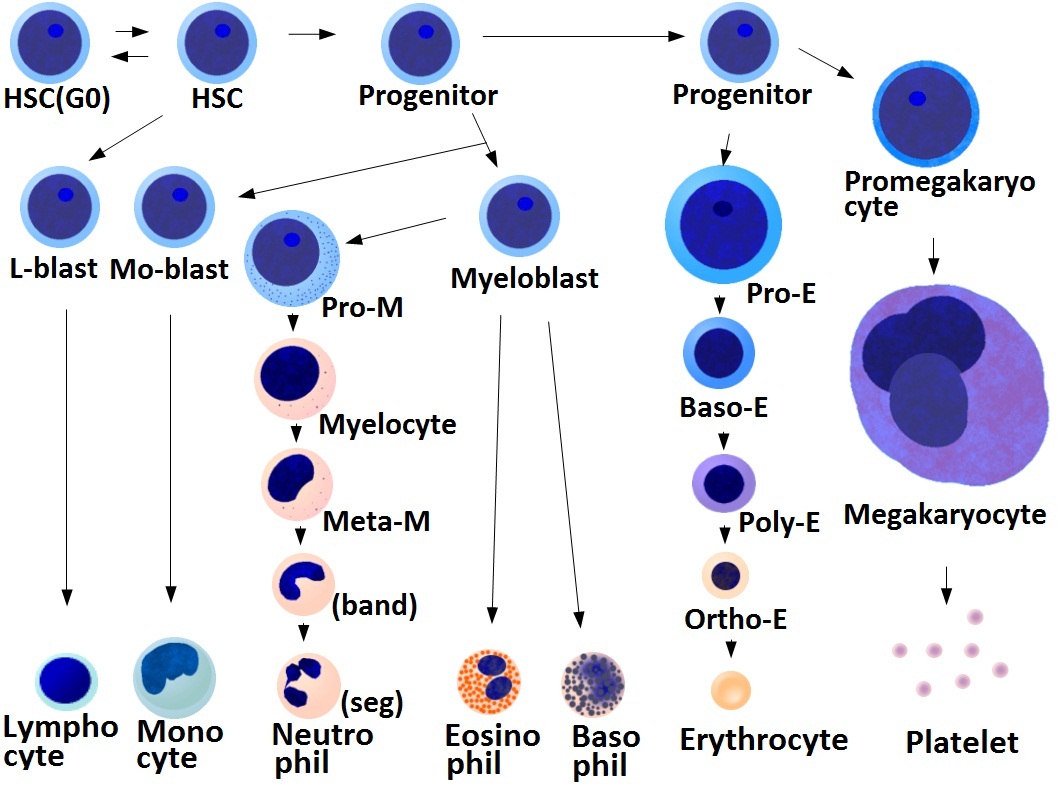
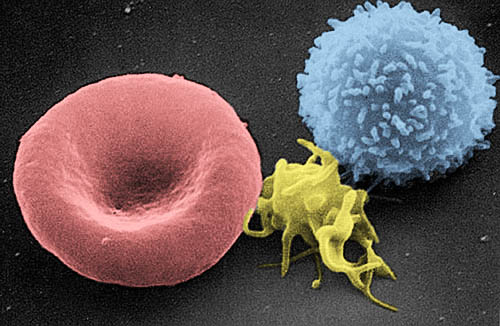
A platelet is a small, anucleate cell fragment that circulates in the blood. In mammals these fragments arise from large bone marrow cells called megakaryocytes and play a central role in hemostasis, the process that stops bleeding. Typical features include a discoid shape in resting platelets, a lifespan of about 7–10 days, and a cytoplasm rich in granules and organelles but no nucleus.
Image gallery
10 Images




Structure and production
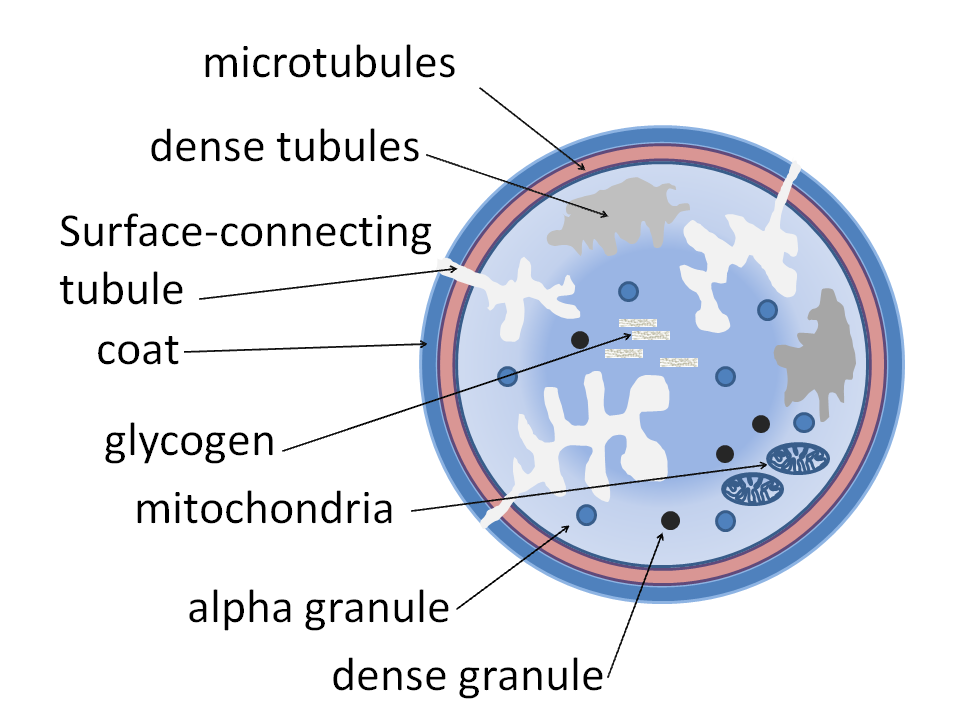
Platelets are produced when megakaryocytes extend proplatelet processes into marrow sinusoids; pieces of cytoplasm break off to form circulating platelets. Their internal components include alpha granules (containing clotting and growth factors), dense granules (storing calcium and small molecules), mitochondria, and a contractile cytoskeleton. Platelet numbers are regulated chiefly by the hormone thrombopoietin, produced mainly by the liver.
Primary functions in hemostasis
When a blood vessel is injured, platelets contribute to rapid arrest of bleeding through a sequence of events:
- Adhesion — platelets adhere to exposed matrix proteins at the injury site;
- Activation — they change shape and release granule contents that recruit other platelets;
- Aggregation — platelets stick to one another to form a primary plug;
- Coagulation support — they provide a surface that accelerates fibrin formation to stabilize the clot.
Beyond clotting, platelets release growth factors that contribute to wound repair and participate in innate immune responses.
Clinical significance and disorders
Abnormal platelet numbers or function can alter bleeding and clotting risk. A low platelet count (thrombocytopenia) increases bleeding tendency and may cause easy bruising or prolonged bleeding, while a high count (thrombocytosis) can raise the risk of unwanted clot formation (thrombosis) within blood vessels, potentially impairing circulation. Common diagnostic tests include a platelet count, blood smear examination, and specialized platelet function assays. Management may involve treating underlying causes, platelet transfusion, or drugs to reduce platelet activity such as aspirin or P2Y12 inhibitors.
Uses, history, and notable facts
Platelet-rich plasma (PRP) preparations are used clinically in some wound-healing and orthopedic procedures to harness growth factors, though evidence varies by indication. Historically, platelets were first described in the 19th century; their importance in clot formation was established as hematology matured. In non-mammalian vertebrates, the analogous cells are nucleated and often called thrombocytes, a useful distinction when comparing species.
For more information and clinical guidelines, consult laboratory and clinical resources such as blood cell references and hemostasis reviews (bleeding), thrombosis overviews (thrombosis), and general hematology summaries (blood, hemostasis). Additional educational material is available through specialist texts and practice guidelines (blood vessels).
Related articles
Author
AlegsaOnline.com Platelet (thrombocyte): structure, function, and clinical importance Leandro Alegsa
URL: https://en.alegsaonline.com/art/77344