
Blondie — American new wave and pop-rock band
American new wave and pop-rock band led by Debbie Harry, known for hits like "Heart of Glass" and "Call Me" and for mixing punk, pop, disco and early hip-hop influences.
Overview
Blondie is an American new wave and pop-rock band formed in New York City. They rose from a downtown scene in the mid-1970s and reached mainstream popularity through the 1980s. Fronted by the distinctive voice and image of Debbie Harry — the group's best-known lead singer — Blondie combined catchy melodies with a fashion-forward stage presence.
Image gallery
10 Images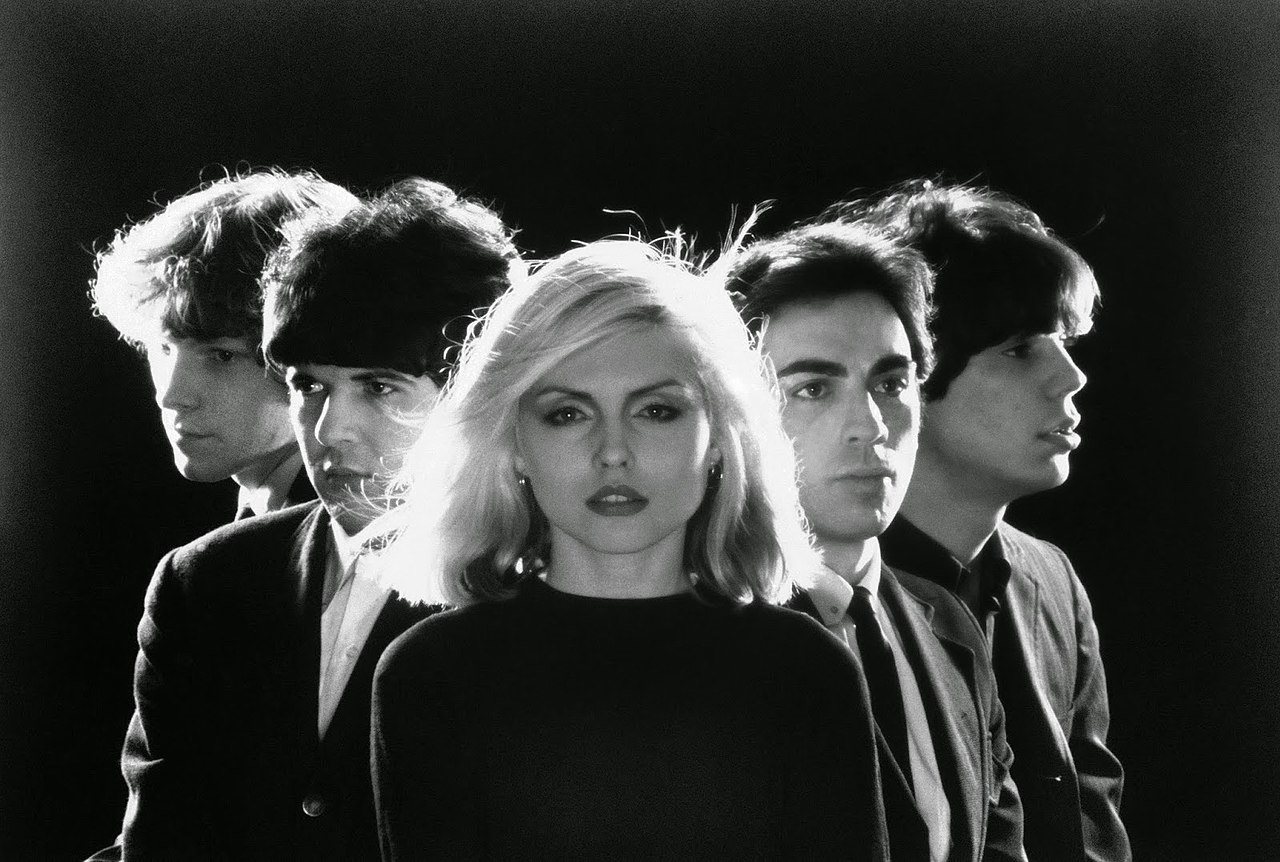





Origins and development
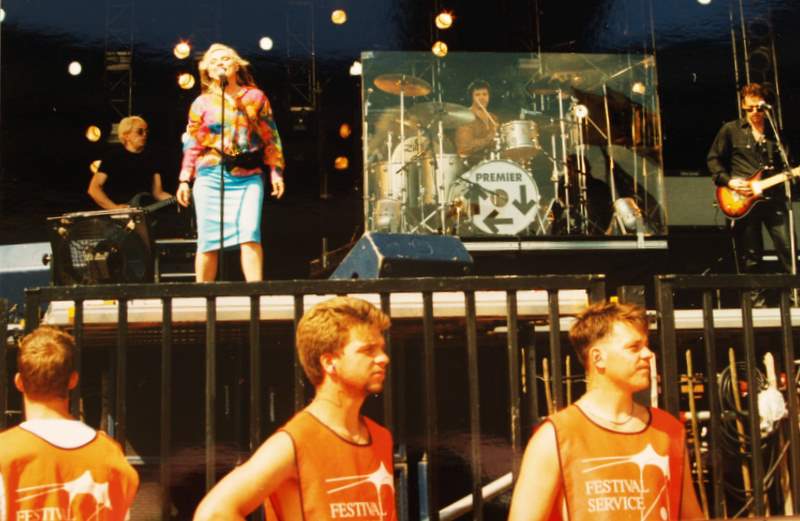
The group emerged from the same underground circuit that produced punk and early alternative acts. Founding members and collaborators helped shape a sound that borrowed from punk’s immediacy while embracing pop songwriting. The band evolved quickly, moving from clubs into larger venues and international success as radio and MTV expanded their audience.
Musical style and influences
Blondie is notable for blending styles: a pop sensibility, rock instrumentation and elements of dance disco, reggae and early hip-hop. This willingness to cross genres produced records that ranged from nightclub-ready tracks to ballads and more experimental pieces. Songs like "Heart of Glass" emphasized disco-pop production, while others introduced rap and electronic touches to a broad pop-rock framework.
Notable songs and releases
- "Call Me" — a major international hit associated with film soundtracks and radio play.
- "Heart of Glass" — a crossover single that helped bring dance-pop into mainstream rock charts.
- "Rapture" — one of the early pop records to incorporate rap elements.
- "Atomic" and "The Tide Is High" — examples of the group’s melodic range and chart success.
Legacy and recognition
Blondie’s impact extends beyond chart positions. They helped legitimize genre-mixing in popular music and influenced many artists who followed in alternative, pop and electronic scenes. The band has been honored by music institutions and remains a touchstone for discussions about late 20th-century pop culture and style; they were also inducted into the Rock and Roll Hall of Fame.
Members, reunions and continuing influence
While Debbie Harry remains the most visible member, the group’s sound reflected contributions from long-term collaborators and instrumentalists across different eras. Blondie experienced lineup changes, hiatuses and reunions, which is common for acts with multi-decade careers. Their catalog continues to be reissued and discovered by new listeners, and the band’s image and songs are frequently cited as influences on fashion, film and contemporary pop artists.
For further exploration of the band’s recordings, tours and archival materials, consult authoritative music histories and dedicated discographies that document Blondie’s evolving role in pop and rock music.
Related articles
Author
AlegsaOnline.com Blondie — American new wave and pop-rock band Leandro Alegsa
URL: https://en.alegsaonline.com/art/12233
Sources
- guardian.co.uk : "Blondie record Parallel Lines"
- nytimes.com : "POP REVIEW; No Debutante: Blondie Returns to Its Roots"
- allmusic.com : "Blondie - Blondie"
- allmusic.com : "Parallel Lines - Blondie"