
1778
A pivotal year in the American Revolutionary War and global exploration: France allied with the United States, major campaigns reshaped the conflict, and James Cook reached the Hawaiian Islands.
Overview
1778 was a year of turning points. The American struggle for independence shifted from a colonial rebellion to a wider international war when France recognized and allied with the United States. At the same time European naval rivalry extended across the oceans while scientific exploration and cultural transitions marked the era.
Image gallery
10 Images



Major political and military events
Early in the year France and the United States concluded formal agreements that changed the balance of power in North America. The Franco-American treaties (February 1778) included mutual recognition, commercial ties, and a military alliance that brought French ships and soldiers into the conflict with Britain. British forces abandoned Philadelphia in June and regrouped in New York, and the fighting in North America continued through several notable engagements.
- Battle of Monmouth (June 28): One of the largest battles of the American theater, fought in New Jersey and notable for its scale and for testing the Continental Army after Valley Forge.
- Naval clashes: The First Battle of Ushant (July 1778) between British and French fleets in the English Channel was indecisive but signaled open war at sea.
- Rhode Island campaign (summer 1778): An attempted Franco-American operation to retake Newport that was complicated by storms, logistics and British resistance.
- Southern theatre begins: British forces captured Savannah late in December, inaugurating a renewed focus on the southern colonies.
Exploration and science
On January 18, 1778, Captain James Cook became the first recorded European to sight the Hawaiian archipelago, which he called the "Sandwich Islands." His voyages that year also advanced European knowledge of the North Pacific coast and contributed to mapping and natural history.
Culture, notable deaths and broader significance
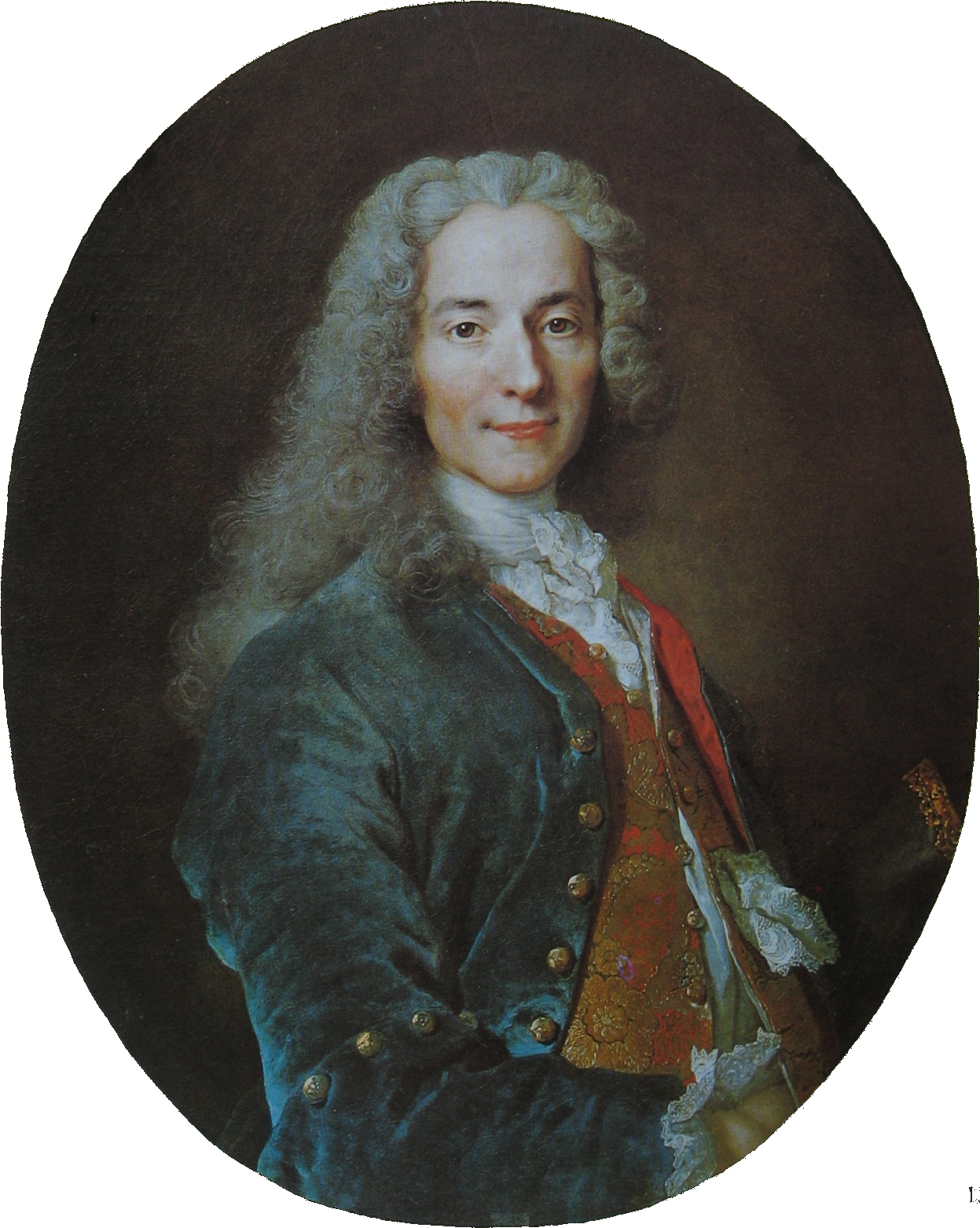
1778 also saw the deaths of influential Enlightenment figures, including Voltaire (May 30) and Jean-Jacques Rousseau (July 2), marking the close of a formative intellectual generation. The combination of military alliance, global naval engagement and ongoing exploration made 1778 a hinge year: the American Revolution was no longer an isolated revolt but part of a larger contest among empires, with long-term consequences for diplomacy, colonial empires and the spread of revolutionary ideas.
Related articles
Author
AlegsaOnline.com 1778 Leandro Alegsa
URL: https://en.alegsaonline.com/art/111721