
1837
Year 1837: accession of Queen Victoria, the Panic of 1837 in the United States, beginnings of the Canadian rebellions, technological advances in telegraphy and agriculture, and cultural developments.
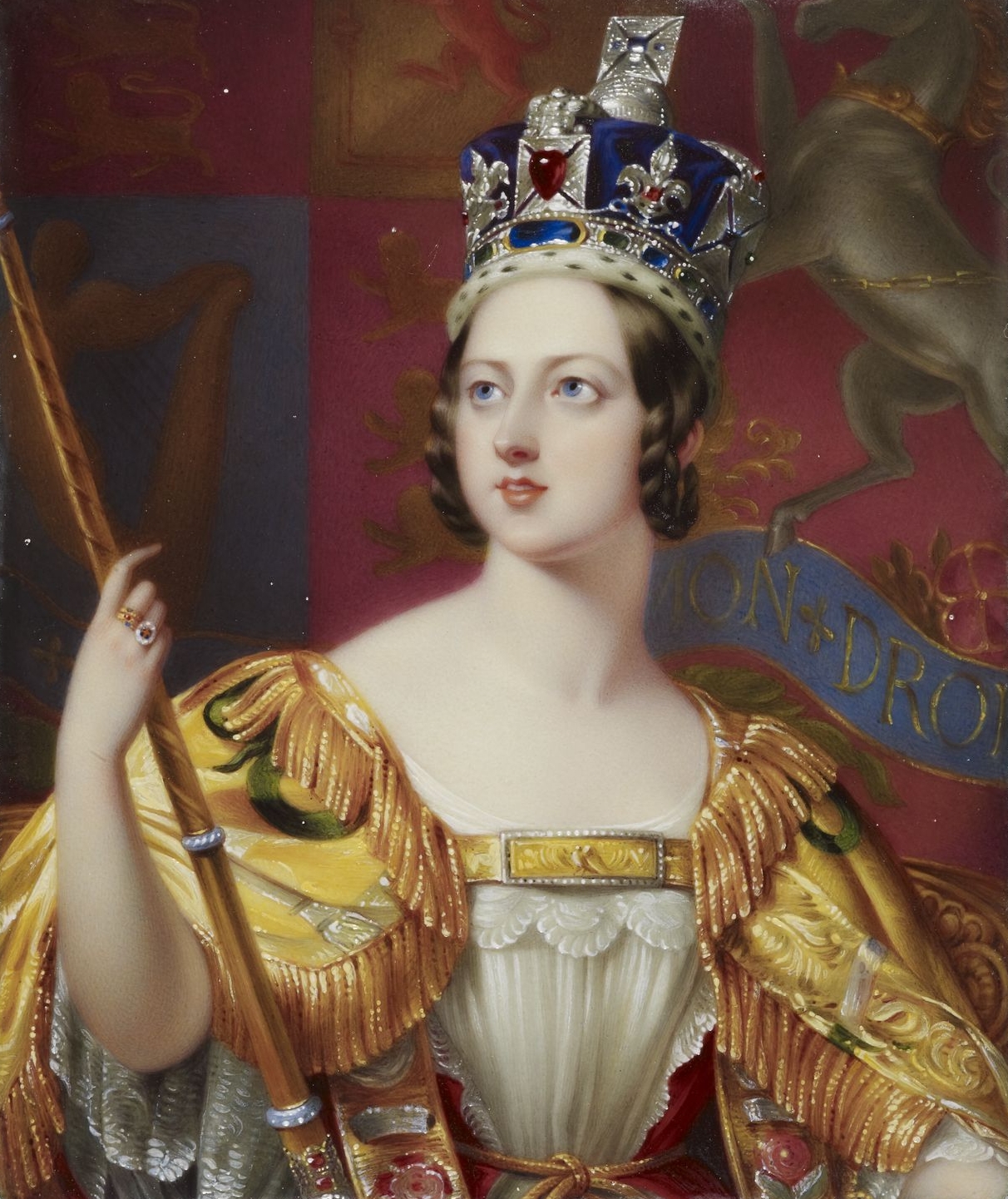
1837 was a year of political transitions, economic turmoil and technological beginnings that shaped the mid-19th century. In Britain it marked the end of the reign of William IV and the accession of Queen Victoria, an event that is generally taken to begin the Victorian era. In the United States the year opened with the presidency of Martin Van Buren and was dominated by a severe financial crisis known as the Panic of 1837.
Image gallery
8 Images



Major events
- British succession: King William IV died and his niece Victoria became queen, bringing a youthful monarch and a long era of cultural and imperial influence.
- Panic of 1837: a widespread banking and credit collapse in the United States triggered bank failures, unemployment and a deep economic depression that lasted for several years.
- Canadian unrest: political grievances in Upper and Lower Canada led to armed uprisings and set the stage for reform and eventual constitutional change.
- Territorial change: Michigan was admitted to the United States as the 26th state, reflecting continuing westward expansion.
1837 also saw notable advances in communication and industry. In Britain, inventors Thomas Cooke and William Fothergill Cooke together with Charles Wheatstone developed and patented early electrical telegraph systems, while in the United States Samuel Morse continued work that would lead to practical telegraphy. In agriculture, blacksmith John Deere introduced a durable steel plow that improved farming on tough soils and helped modernize American agriculture.
Science, ideas and culture
Charles Darwin, having returned from the voyage of the Beagle the previous year, began organizing observations and making notes that would feed into his later work on evolution. The wider cultural scene included growing urbanization, expanding print culture and novelistic fiction that addressed social change. The accession of a young queen in Britain also influenced fashions, public morals and the tone of public life over subsequent decades.
Notable births and deaths
- Notable births: Grover Cleveland (born 1837), who would become President of the United States; Empress Elisabeth of Austria (born 1837), a prominent 19th-century European figure.
- Notable deaths: King William IV of the United Kingdom; the English landscape painter John Constable, among others.
Legacy: 1837 is often recalled as a hinge year: the start of the long Victorian age in Britain, a moment of acute financial crisis in America that reshaped economic policy and practice, and a time of technical experimentation that presaged rapid communications and agricultural modernization. Events from this year influenced politics, migration and culture across the Atlantic world for decades to come.
Related articles
Author
AlegsaOnline.com 1837 Leandro Alegsa
URL: https://en.alegsaonline.com/art/111793