
Johann Strauss II: The King of the Waltz — Life, Music, and Legacy
Austrian composer Johann Strauss II (1825–1899), famed for his waltzes and operettas, shaped Viennese dance music; best known for "The Blue Danube" and influential as a conductor and popular composer.
Overview
Johann Strauss II was born in Vienna and became one of the most celebrated figures of 19th-century light music. Records give his birth as October 25 and the year 1825. He built a career as a public conductor and composer whose name became nearly synonymous with the Viennese dance tradition.
Image gallery
9 Images


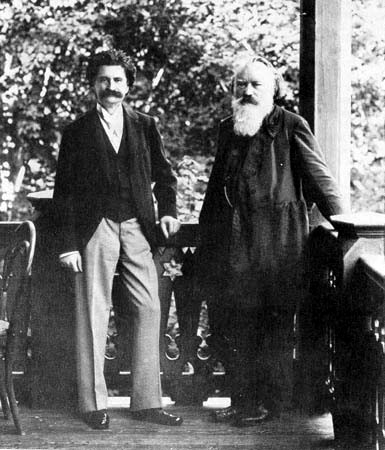
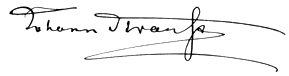
Background and training
Strauss was part of a musical family and followed a professional path that combined formal musicianship with popular appeal. Described as Austrian by nationality, he was active as a composer and an accomplished violinist, often leading the orchestras that played his works. His upbringing in a city thriving on public balls and theatre shaped his focus on dance forms and stage music.
Musical style and major works
Strauss's music is characterized by memorable melodies, clear rhythmic pulse suitable for dancing, and orchestration that highlighted wind and string colors. He expanded the expressive range of the waltzes he wrote, turning them from simple dance tunes into concert pieces performed in salons and concert halls. His most famous composition is the waltz An der schönen, blauen Donau, known in English as "The Blue Danube."
Career, family, and rivalry
Son of the earlier bandleader Johann Strauss I, Strauss II navigated both family expectation and public rivalry to create his own reputation. He conducted popular dance orchestras, composed hundreds of dances and several operettas, and helped codify the sound now associated with Vienna. He died on June 3 in the year 1899, leaving a large body of music.
Notable works and formats
- Waltzes and polkas intended for both dancing and concert performance.
- Operettas and stage works that combined satire, romance, and dance rhythms.
- Light overtures and orchestral pieces written for public balls and festivals.
Legacy and influence
Strauss II influenced dance music across Europe and beyond: his waltzes became staples of New Year and gala concerts, and his orchestral style affected later film and popular music that sought a graceful, danceable sound. Today his works are performed worldwide and remain central to the image of 19th-century Vienna as a center of social music-making.
Distinctive facts
Although chiefly famous for waltzes, Strauss II's output included operettas and marches; he was also a prominent conductor who helped professionalize orchestral leadership at public entertainments. His reputation as the "King of the Waltz" reflects both popular acclaim and the durable place his melodies hold in concert repertory.
Questions and answers
Q: Who was Johann Strauss II?
A: Johann Strauss II was an Austrian composer, conductor, and violinist born in Vienna on October 25, 1825, and died in Vienna on June 3, 1899.
Q: Who was Johann Strauss I?
A: Johann Strauss I was the father of Johann Strauss II and a very famous composer, also known as Johann Strauss Sr.
Q: Who is Johann Strauss Jr?
A: Johann Strauss Jr is the eldest son of Johann Strauss I and a very famous composer, also known as Johann Strauss II.
Q: What was Johann Strauss II known for?
A: Johann Strauss II was known for his waltzes and was commonly referred to as the "King of the Waltz."
Q: What is Johann Strauss II's most popular waltz?
A: Johann Strauss II's most famous waltz is called “An der schönen, blauen Donau” which is known in English as "The Blue Danube."
Q: When was Johann Strauss II born and when did he die?
A: Johann Strauss II was born on October 25, 1825, in Vienna, Austria, and he died on June 3, 1899, in Vienna, Austria.
Q: What instruments did Johann Strauss II play?
A: Johann Strauss II played the violin and conducted his music.
Related articles
Author
AlegsaOnline.com Johann Strauss II: The King of the Waltz — Life, Music, and Legacy Leandro Alegsa
URL: https://en.alegsaonline.com/art/122288
Sources
- britannica.com : "Johann Strauss II | Biography, Compositions, & Facts"