
Johan Ludvig Runeberg
Finnish national poet (1804–1877) who wrote in Swedish; author of Fänrik Ståls sägner and the poem “Vårt land” (Maamme), a cornerstone of Finnish cultural identity and national memory.
Johan Ludvig Runeberg (5 February 1804 – 6 May 1877) is widely regarded as the national poet of Finland. He wrote in the Swedish language and produced lyrical, narrative and patriotic verse that helped shape nineteenth‑century Finnish cultural identity. Runeberg's work spoke to readers across linguistic lines in a period when national life and historical memory were being consolidated.
Image gallery
5 Images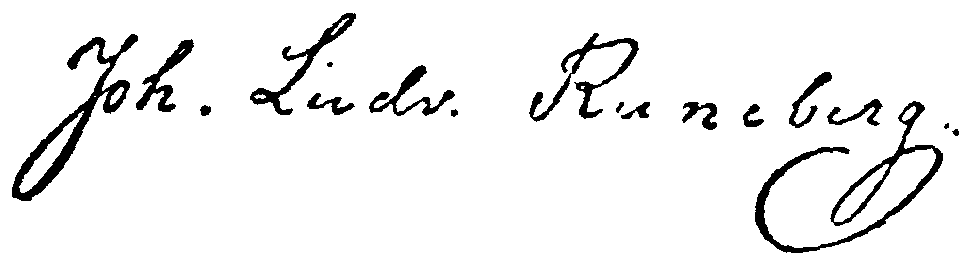


Life and historical context
Runeberg was born in the early 19th century, when the territory of what is now Finland was part of the Kingdom of Sweden. During his lifetime the region was ceded to Russia after the Finnish War of 1808–09, creating the autonomous Grand Duchy of Finland. Much of Runeberg’s adult life was spent in Porvoo, where his home is preserved as a site of literary memory. He combined a local sense of place with themes of moral duty, compassion and civic courage.
Fänrik Ståls sägner (The Tales of Ensign Stål)
Runeberg’s most celebrated work is the cycle Fänrik Ståls sägner (The Tales of Ensign Stål), published in parts between 1848 and 1860. The collection comprises a series of narrative poems—traditionally counted as thirty‑six pieces—that recount episodes and portraits connected to the war of 1808–09. Rather than presenting a simple triumphalist account, the tales emphasize the shared humanity of people on both sides of the conflict, the quiet heroism of ordinary soldiers and civilians, and the moral complexity of wartime experience.
"Vårt land" and the national anthem
One poem from the collection, "Vårt land" ("Our Land"), became especially important in Finland’s cultural life. Its Finnish rendering is known as Vänrikki Stoolin tarinat / Maamme, and the work is commonly referred to by the Finnish title Maamme. The poem has been used as the country’s national anthem and its patriotic opening lines are familiar to successive generations. Through this and other pieces, Runeberg came to be seen as a formative voice for an emerging national consciousness.
Style and themes
Runeberg’s poetry is often associated with the Romantic movement but is notable for its moral clarity, narrative energy and attention to everyday characters. He preferred clear diction and vivid portraiture to ornate rhetoric, transforming local incidents into reflections on courage, duty and compassion. His portraits range from soldiers and sailors to peasants and townspeople, always with an eye for inner dignity and resilience.
Reception, translation and legacy
Although Runeberg wrote in Swedish, translations into Finnish and other languages broadened his readership and reinforced his reputation as a shared national poet. He is remembered as a unifying cultural figure in a bilingual society and his works remain an object of study in schools and literary history. Commemorations include readings, museum exhibitions and an annual recognition of his birthday on 5 February, when a traditional pastry known as the Runeberg torte is often eaten.
Further notes and resources
Runeberg’s role in Finnish cultural memory lies in the combination of national resonance and humane portraiture: his poems made historical events feel personal and accessible. For readers seeking more information, general introductions and collections of his poems are widely available in both Swedish and Finnish translations. Representative topics to explore include the portrayal of the Finnish War, the history of the national anthem, and the reception of his work in Finnish and international literary circles.
Questions and answers
Q: Who was Johan Ludvig Runeberg?
A: Johan Ludvig Runeberg was a Finnish poet, known as the national poet of Finland.
Q: In what language did Johan Ludvig Runeberg write?
A: Johan Ludvig Runeberg wrote in Swedish.
Q: What is Runeberg's most famous work?
A: Runeberg's most famous work is Fänrik Ståls sägner (The Tales of Ensign Stål, Vänrikki Stoolin tarinat in Finnish).
Q: When did Runeberg write Fänrik Ståls sägner?
A: Runeberg wrote Fänrik Ståls sägner between 1848 and 1860.
Q: What is Fänrik Ståls sägner about?
A: Fänrik Ståls sägner is about the Finnish War of 1808-09, in which Russia gained Finland from Sweden. The tales attempt to show that deep down people are alike on both sides of the war, and small people from Finland become heroes in their own lives.
Q: What famous Finnish song did Runeberg create?
A: Runeberg created the Finnish national anthem, called "Vårt land" (Our Land, Maamme in Finnish).
Q: When did Johan Ludvig Runeberg live and when did he die?
A: Johan Ludvig Runeberg lived from 5 February 1804 to 6 May 1877.
Related articles
Author
AlegsaOnline.com Johan Ludvig Runeberg Leandro Alegsa
URL: https://en.alegsaonline.com/art/122294
Sources
- 375humanistia.helsinki.fi : Johan Ludvig Runeberg
- kansallisbiografia.fi : Runeberg, Johan Ludvig (1804 - 1877)