
Johannes de Villiers Graaff: South African welfare economist and mountaineer
Biographical and intellectual overview of Johannes de Villiers Graaff (1928–2015), his contributions to welfare economics, career in banking, family background, and mountaineering achievements.
Overview
Johannes de Villiers Graaff (19 February 1928 – 6 January 2015), often called Jan or Jannie Graaff, was a South African economist known for his work in neoclassical welfare economics and for practical interests outside academia. Trained at the University of Cape Town and at St John’s College, Cambridge, he completed a PhD in economics in 1950. Graaff combined scholarly work on savings and social welfare with a prominent business career and a lifelong passion for mountaineering.
Image gallery
1 Image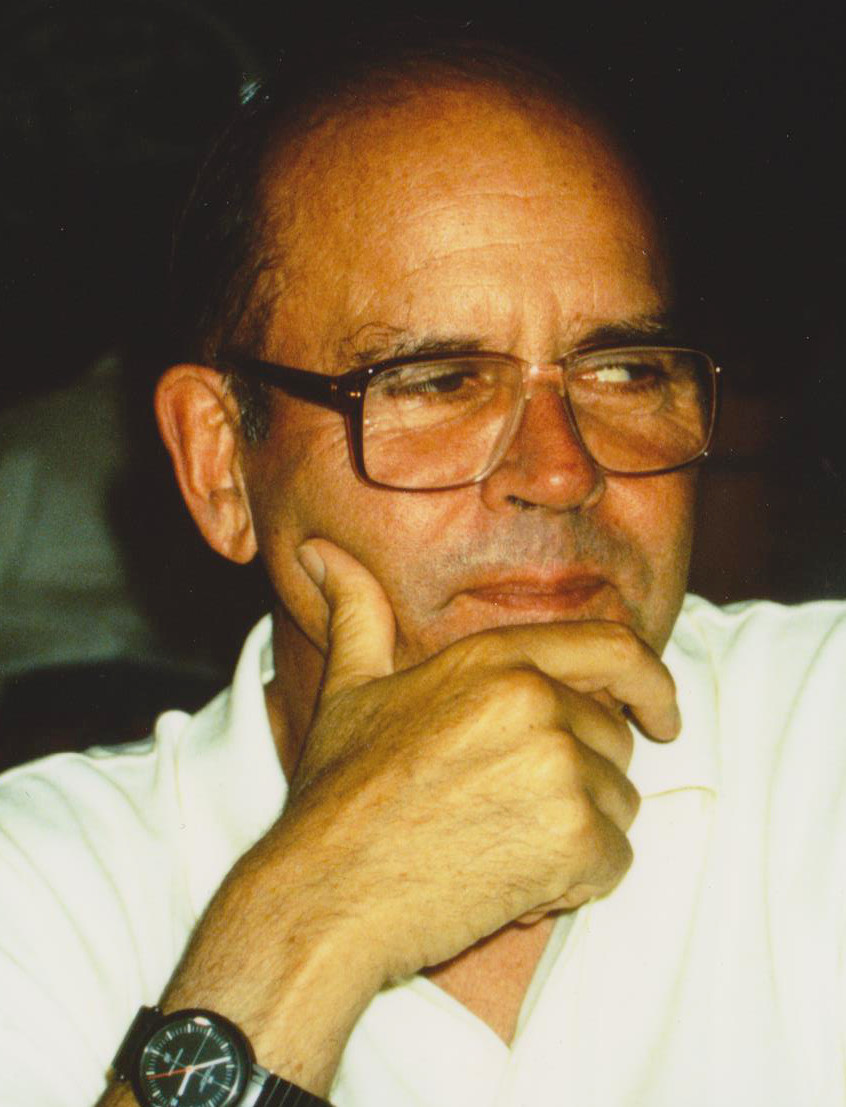
Intellectual contributions
Graaff is best known for examining optimal savings rates and for contributions to the formulation and application of the social welfare function within a neoclassical framework. His work addressed how societies might balance present consumption against future wellbeing by using economic models that aggregate individual preferences. While rooted in mainstream welfare economics, his analyses reflected concerns about practical policy choices and the limits of purely theoretical prescriptions.
Career and public roles
After completing his studies, Graaff returned to South Africa where he held roles in banking and public life, including serving as chairman of Nedbank. His position in the private sector made him a bridge between academic ideas about social welfare and the institutional realities of finance and policy. He also maintained ties to academic debates and to professional circles that study welfare measurement and saving behavior.
Family, education and personal life
Born into a prominent South African family, Graaff was the youngest son of Sir David Graaff, 1st Baronet; his elder brother was Sir De Villiers Graaff, 2nd Baronet. On 30 June 1951 he married Lillian Clare Thomson, daughter of Sir George Paget Thomson; the couple had six children. His formal education included the University of Cape Town and a doctorate from St John’s College, Cambridge, where he completed advanced work in economics.
Mountaineering and wider interests
Beyond economics and banking, Graaff was one of South Africa’s most active mountaineers. He pioneered climbing routes in regions such as East Africa and the Himalayas, combining technical skill and exploratory ambition. His outdoor pursuits were well known among contemporaries and reflected a lifelong appetite for challenges both intellectual and physical.
Legacy and notable facts
Graaff’s legacy is mixed between his academic contributions to welfare economics and his practical impact as a banker and public figure. His work is often cited in discussions about how to operationalize social welfare criteria and how saving decisions affect intertemporal welfare. He remained a respected figure in South African public life until his death in Kenilworth, Cape Town, on 6 January 2015.
- Field: Neoclassical welfare economics; studies of optimal savings and social welfare aggregation (neoclassical economics).
- Nationality: South Africa.
- Education: University of Cape Town; PhD, St John’s College, Cambridge (Cambridge).
- Other: Chairman of Nedbank; pioneering mountaineer in East Africa and the Himalayas.
Graaff’s career illustrates how an economist can engage both rigorous theoretical work and practical institutional leadership while maintaining significant personal pursuits. His writings and public roles continue to be referenced where the measurement of social welfare and the implications of saving behavior are under consideration.
Related articles
Author
AlegsaOnline.com Johannes de Villiers Graaff: South African welfare economist and mountaineer Leandro Alegsa
URL: https://en.alegsaonline.com/art/122273
Sources
- scribd.com : Growth Theory, p. 107
- homepage.newschool.edu : The Paretian System IV – Social Welfare
- iol.co.za : "Southern Africa's most iconic peaks"
- wegotads.co.za : "JOHANNES DE VILLIERS GRAAFF"