
Blind Faith — short‑lived English rock supergroup formed in 1969
Blind Faith was a British rock–blues supergroup formed in 1969 by established musicians. Their single album, brief tour and contentious cover art made the group a memorable short chapter in late‑1960s rock.
Blind Faith was an English rock and blues supergroup formed in 1969 that united prominent musicians from several leading 1960s bands. The quartet consisted of Eric Clapton, who had recently left the trio Cream, singer‑keyboardist‑guitarist Steve Winwood, drummer Ginger Baker and bassist Rick Grech. Because its members were already well known, the project was widely described as one of the era's most prominent "supergroups," attracting intense public expectation and media attention.
Image gallery
1 Image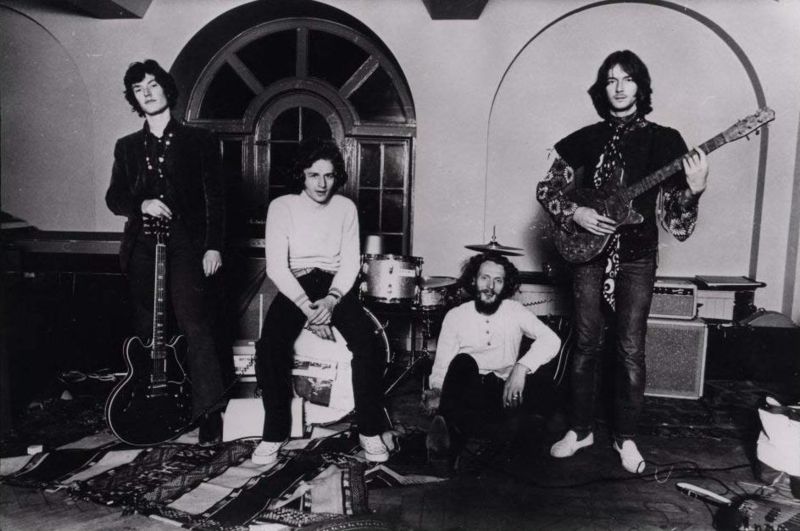
Sound and repertoire
Musically the band blended electric blues and rock with melodic, song‑centred material. Recordings and live performances showed a mix of extended instrumental interplay and concise songs that highlighted Winwood's vocals and keyboards alongside Clapton's guitar. While some listeners welcomed the balance between improvisation and structured songwriting, others expected the heavier, long blues jams associated with earlier projects and expressed disappointment at the different emphasis.
Formation, debut and public reaction
Blind Faith announced itself amid considerable anticipation and made a high‑profile debut in London, notably performing at a large free concert in Hyde Park, followed by a short tour that included dates in the United States. The band's name was commonly interpreted as a reference to the near‑unquestioning optimism with which fans and the music industry initially greeted the collaboration. That optimism intensified criticism when parts of the audience found the new material more restrained than they had hoped.
Album and controversy
The group's sole studio release, the self‑titled album Blind Faith, was concise and contained only a handful of tracks. It attracted attention both for the music and for its packaging: promotional photographs and cover art prompted debate and, in some markets, retail resistance. The discussion around presentation and imagery remains one of the most remembered aspects of the band's brief public life and has been addressed in accounts of the period's changing norms and standards of public taste, including analysis of the contemporary controversy and commentary about the perceived nude cover image.
Breakup and aftermath
Internal tensions, differing artistic priorities and the pressure created by elevated expectations led the group to disband after roughly a year. Members soon returned to other projects and sustained solo careers. Although the band's active life was short, its formation, music and the reactions it provoked have been often cited by historians as illustrative of the late‑1960s tendency to create high‑profile short‑term collaborations and of the era's shifting musical directions.
Personnel
- Eric Clapton — guitar, occasional vocals (see Clapton)
- Steve Winwood — lead vocals, keyboards, guitar
- Ginger Baker — drums (previously in Cream and other projects)
- Rick Grech — bass (formerly of Family and other groups)
For concise background and contemporary perspectives see general overviews of late‑1960s rock and blues fusion as well as specialist pages on the members' earlier and later careers: an introductory overview, a short band history, profiles of individual musicians including Ginger Baker, and retrospective commentary on the album and public reception. The group's brief existence left a compact but lasting place in narratives of rock history, exemplifying both the creative possibilities and the public pressures that accompanied high‑profile musical collaborations.
Related articles
Author
AlegsaOnline.com Blind Faith — short‑lived English rock supergroup formed in 1969 Leandro Alegsa
URL: https://en.alegsaonline.com/art/12179