
Ian McLagan — English rock keyboardist (Small Faces, Faces)
Ian McLagan (1945–2014) was an English keyboardist best known for his work with Small Faces and Faces. He later led his own band, collaborated with many rock artists, and lived in Austin, Texas.
Overview
Ian Patrick "Mac" McLagan was an English keyboard instrumentalist whose warm, R&B‑tinged playing made him a distinctive presence in British rock from the 1960s onward. Born in 1945, he rose to prominence with two influential English groups and remained an active performer and collaborator for decades. He died in December 2014 in Austin, Texas.
Image gallery
2 Images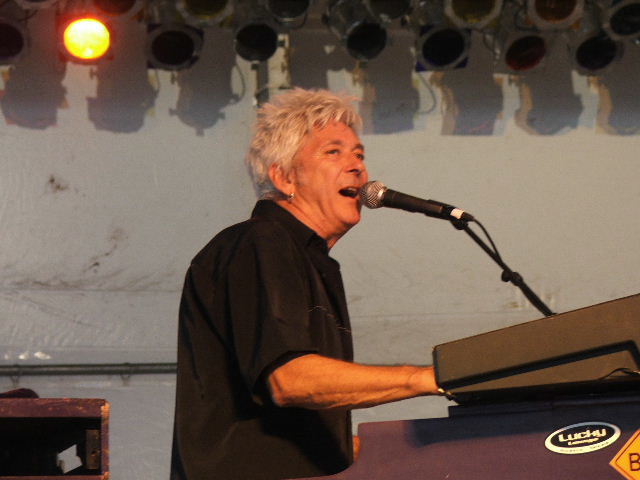

Career and associations
McLagan first gained wide recognition as a member of the mod and rhythm‑and‑blues band Small Faces and continued with the core personnel when that lineup evolved into Faces, which included singers and guitarists who would become major stars in their own right. From the late 1970s he led his own group — later commonly billed as the Bump Band — and toured regularly. He also worked as a sought‑after sideman and studio player, appearing with numerous rock and roots artists, and on occasion recording or touring with members of The Rolling Stones and other peers; his collaborations reflected a long career as an accompanist and contributor in rock, blues and roots settings. See also: selected collaborations.
Style, instruments and role
McLagan's playing blended soul, blues and British rock traditions. He was especially associated with electric organs and classic electric pianos: Hammond organ and Wurlitzer electric piano are commonly cited among his main instruments, along with acoustic and electric piano. His contributions typically provided melodic fills, rhythmic comping and short solos that supported singers and guitarists rather than dominating arrangements, giving many recordings a compact, bar‑room energy.
Legacy and later life
Later in life McLagan settled in Austin, where he remained musically active, leading his band, recording, and joining other artists onstage. He was widely regarded by fellow musicians for his tasteful, unpretentious approach to keyboards and for helping bridge 1960s British rock with later Americana and roots scenes. McLagan died on 3 December 2014, reportedly after suffering a massive stroke, aged 69.
Notable facts and contributions
- Key member of two connected British bands that influenced 1960s–70s rock.
- Known for organ and electric piano textures that supported vocalists and guitarists.
- Led his own ensemble from the late 1970s onward and remained active in live music into the 21st century.
- Worked alongside prominent rock figures across studio sessions and tours.
Related articles
Author
AlegsaOnline.com Ian McLagan — English rock keyboardist (Small Faces, Faces) Leandro Alegsa
URL: https://en.alegsaonline.com/art/120830
Sources
- austinchronicle.com : Ian McLagan 1945-2014