
Faces (English rock band)
English rock group formed in 1969 from members of Small Faces and new recruits; known for raucous, R&B‑inflected rock, four studio albums and an influential short career with later reunions.
Overview
Faces were an English rock band formed in 1969 that blended loose R&B, blues and hard rock into a working‑class, party‑style stage show. The original core combined former members of the Small Faces with musicians who joined or collaborated shortly after; the group is remembered for energetic live performances and a handful of enduring songs. For a general introduction, see Faces (band).
Image gallery
3 Images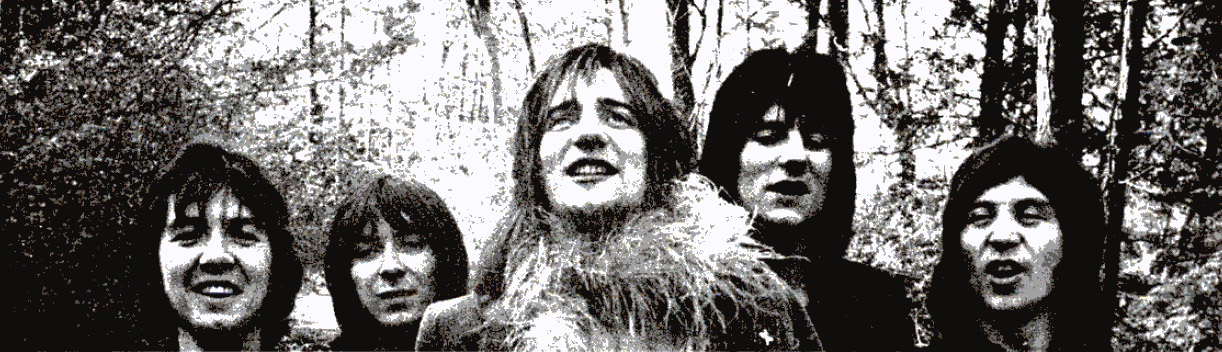


Style and reputation
The band's sound mixed raw rhythm‑and‑blues, country touches and straightforward rock arrangements, often driven by rough-edged vocals and slide or blues‑style guitar. Their approach emphasized loose ensemble playing, crowd interaction and a sense of camaraderie rather than studio polish. Critics and fans point to their influence on later pub rock and classic rock acts; their music is commonly described as rock and R&B with a convivial stage presence.
History and lineup
Faces formed in 1969 following the dissolution and reshaping of earlier groups. The best‑known early lineup included Rod Stewart (vocals), Ronnie Wood (guitar), Ronnie Lane (bass), Ian McLagan (keyboards) and Kenney Jones (drums). Lane left the band in the early 1970s and was replaced by Tetsu Yamauchi. Over time several members pursued parallel solo careers; the balance of band and solo work contributed to the group's breakup in the mid‑1970s. For details on personnel and roles see band members.
Albums and notable songs
Faces released four studio albums during their initial run, which capture the range of their sound and stage persona:
- First Step (1970)
- Long Player (1971)
- A Nod Is As Good As a Wink... to a Blind Horse (1971)
- Ooh La La (1973)
Their best‑known tracks include "Stay with Me" and the title track "Ooh La La," songs that have remained in rotation on classic‑rock radio. Their recorded output and related compilations are summarized in many overviews of the group's discography.
Reunions, legacy and later activity
Although the classic Faces era ended in 1975, surviving members have reunited for occasional shows and limited tours in later decades. Some reunion lineups featured guest vocalists and musicians rather than the original singer; for example, certain shows included guest singers such as Mick Hucknall and guest bassists at different times. Members went on to prominent careers: Rod Stewart became a major solo star, Ronnie Wood joined the Rolling Stones, and Kenney Jones later played with The Who. The band's influence is noted for its celebration of informal rock performance and its impact on early 1970s British rock scenes; further notes on these later activities appear under later reunions.
Notable facts
- The Faces' compact recording catalogue—four studio albums—belies their strong reputation as a live act.
- Lineup changes and parallel solo careers shaped both their creative output and their relatively brief initial lifespan.
- Several members are remembered for significant careers after Faces, which has kept interest in the band's work alive.
Related articles
Author
AlegsaOnline.com Faces (English rock band) Leandro Alegsa
URL: https://en.alegsaonline.com/art/33195