
Ian Murdock — Founder of the Debian Project
Ian Murdock (1973–2015) founded the Debian Project, a major free operating system distribution; he also led commercial and advocacy efforts to connect open source communities with industry.
Ian Murdock (28 April 1973 – 28 December 2015) was a software engineer and free software advocate best known for founding the Debian Project, a community-developed Linux distribution. Born in Konstanz, Germany, he later lived and worked in the United States and became influential in shaping collaborative development practices and packaging standards that have been widely adopted across open source ecosystems.
Image gallery
2 Images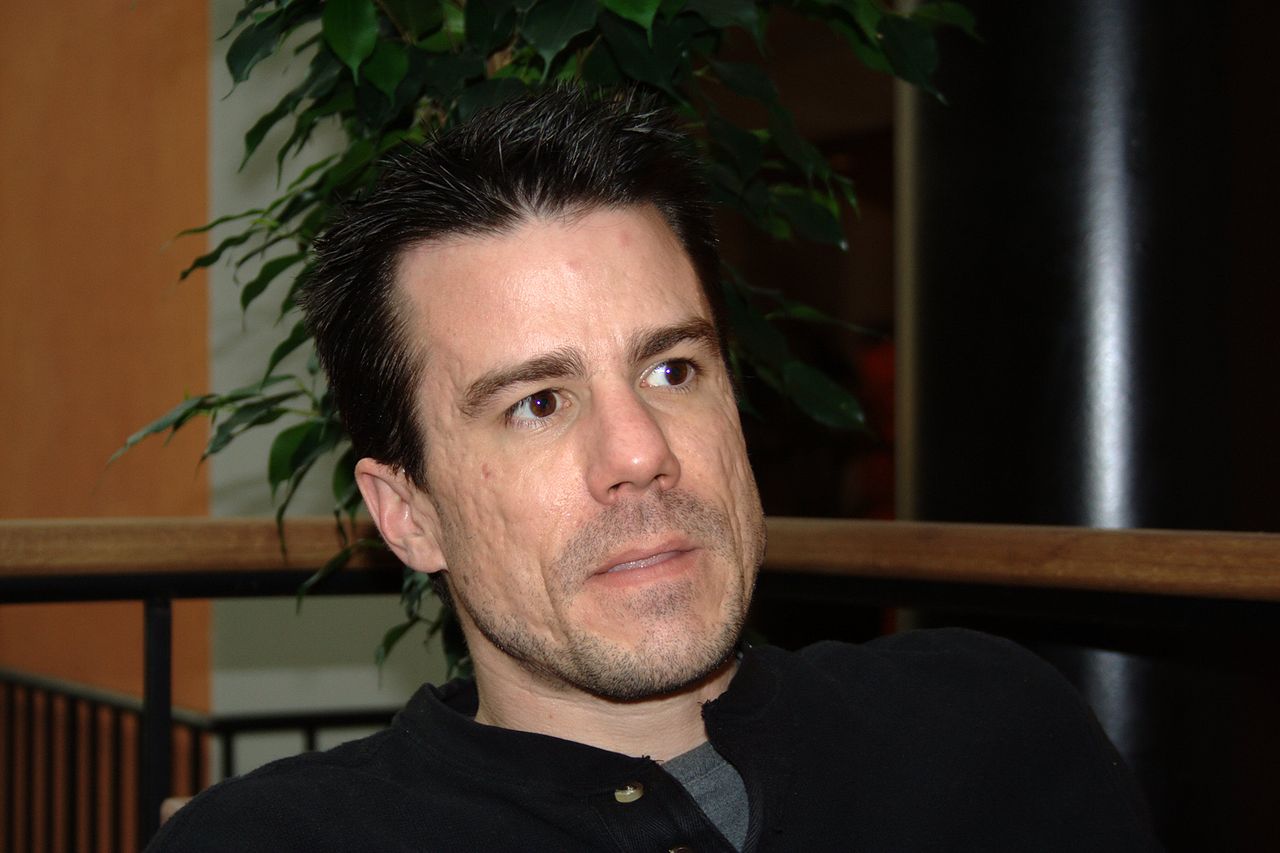

Early life and education
Murdock studied computer science and became active in Unix and GNU/Linux circles in the early 1990s. While still a student he published the "Debian Manifesto," a short statement of purpose describing a distribution developed openly by a community and packaged with commitments to software freedom. The name "Debian" is commonly explained as a portmanteau of his then-girlfriend Debra and his own name; the project's origin combined personal initiative with a broader communal ambition.
Debian and community development
The Debian Project was formally announced in 1993. It emphasized free software, transparent governance, and a rigorous packaging system. From its founding, Debian grew through contributions from many volunteers and established policies and technical practices—such as a comprehensive package archive, a system of maintainers, and release procedures—that prioritized stability, portability and long-term support. Debian's model influenced other distributions and projects, and several widely used distributions have been derived from Debian.
Progeny and commercial engagement
In the late 1990s Murdock co-founded Progeny Linux Systems, a company intended to provide commercial services and support built on open source technology. This effort reflected a recurring theme in his career: seeking practical ways for community-driven projects to interoperate with commercial needs. Over time he worked with a range of organisations and advised efforts that aimed to bridge volunteer communities and enterprise adoption.
Later career and advocacy
Throughout his career Murdock promoted openness, developer-centric services and interoperability. He participated in public discussions about governance, packaging, and how open source projects could interface with industry customers. His work and public statements often focused on improving tooling, documentation and processes that support large-scale collaboration among distributed contributors.
Death and contemporaneous reports
Murdock died in San Francisco on 28 December 2015 at the age of 42. Official sources did not immediately disclose a definitive cause of death, and accounts of the events leading to his death contained differing details. In the hours before his death he posted messages describing a distressing encounter with police and personal crisis; those messages were widely reported by observers and news outlets. Some media reports referred to statements posted on his Twitter account and to information from local authorities, but public records did not establish a single uncontested narrative, and some aspects remained uncertain.
Legacy
Ian Murdock's founding of Debian created an enduring institution in free software. Debian remains an active and influential project, used as a base for many other distributions and deployed widely in servers, workstations and embedded systems. The Debian Project's governance, packaging policies and emphasis on collaboration influenced later open source projects and helped shape modern practices for distributed software development. Murdock is remembered for articulating early principles of community governance and for efforts to professionalize Linux services.
- Notable facts
- Debian was announced in 1993 and established a model of community-led distribution development.
- The project name combines "Debra" and "Ian," reflecting personal origins often cited in histories of Debian.
- Murdock founded Progeny to build commercial support around open source software.
- His later work focused on connecting community projects with industry practices and requirements.
For additional biographical and project-specific resources consult a biographical overview, a concise career summary, and the official Debian Project materials. Background on Progeny Linux Systems is available through archived company records and contemporary accounts at Progeny Linux Systems.
Related articles
Author
AlegsaOnline.com Ian Murdock — Founder of the Debian Project Leandro Alegsa
URL: https://en.alegsaonline.com/art/120832
Sources
- ianmurdock.com : "About me « Ian Murdock's Weblog"
- blog.docker.com : "In Memoriam: Ian Murdock"
- bits.debian.org : "Debian mourns the passing of Ian Murdock"
- twitter.com : "Ian Murdock"
- techcrunch.com : "Debian Creator Ian Murdock Dead At 42"