
James MacMillan — Scottish composer and conductor
James MacMillan (born 16 July 1959) is a leading Scottish composer and conductor known for orchestral, choral and chamber works that combine contemporary technique with religious and folk influences.
Overview. James MacMillan, born on 16 July 1959, is a prominent Scottish composer and conductor. He grew up in and near Kilwinning in North Ayrshire, Scotland, and has become one of the most frequently performed British composers of his generation.
Image gallery
1 Image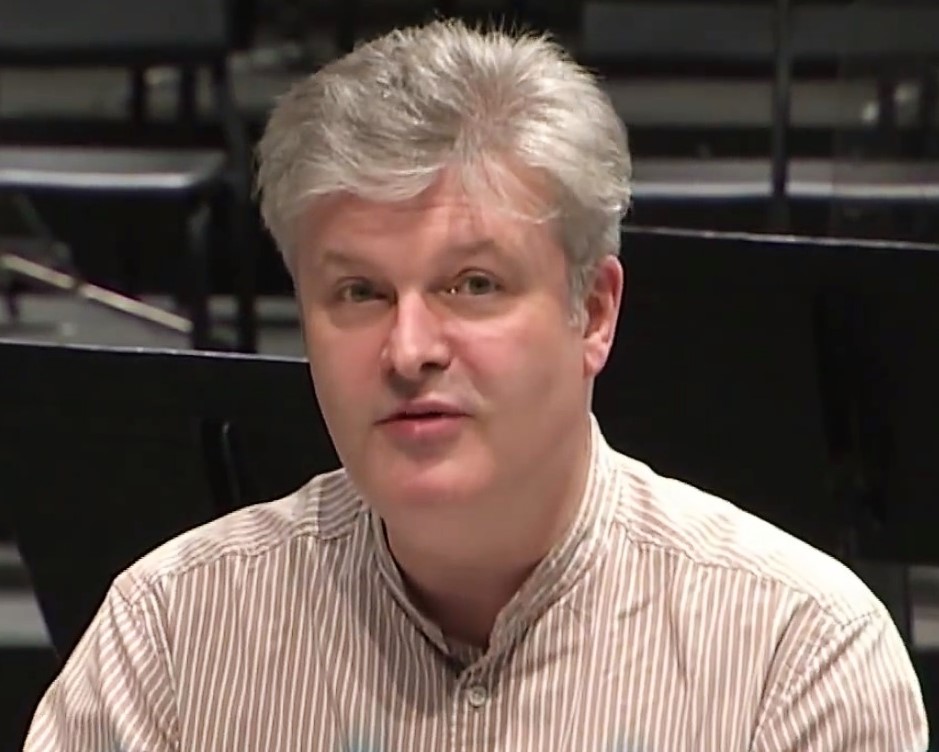
Education and early development
MacMillan studied music formally — he pursued music at university level and attended several institutions often described simply as the universities of Edinburgh and Durham. These studies provided foundations in composition and conductorship while his personal background and faith continued to shape his artistic priorities.
Musical style and influences
His work is notable for marrying contemporary compositional techniques with strong elements drawn from liturgical tradition, plainchant and Scottish folk idioms. He frequently writes for voice and chorus and explores spiritual and political themes. MacMillan's music ranges from intimate chamber pieces to large-scale orchestral and choral works.
Selected works and examples
- Choral and sacred pieces: major works for chorus and orchestra that address religious texts and ritual.
- Orchestral and concertos: pieces that often feature percussion, brass and energetic rhythmic writing.
- Chamber music: string and wind writing that reflects close attention to timbre and sonority.
Career, collaborations and outreach
MacMillan has maintained long-term relationships with ensembles and orchestras in the UK and internationally; he has written works that have been premiered by leading orchestras and choirs. He has also been active in educational work: for example, partnerships with ensembles such as the Scottish Chamber Orchestra include projects that bring live music into schools and involve children in performance and listening activities.
Legacy and notable facts
As a living composer with a busy output, MacMillan's influence is visible in contemporary British music through frequent performances, recordings and commissions. Performers and audiences often cite the emotional directness and ritual intensity of his music. For more detailed resources and program notes consult institutional pages and recorded performances via references and professional catalogs; scholars and listeners may also follow ensemble pages at archives or composer profiles at databases, festival programs at organisers, local cultural histories at local sources, regional arts services at authorities, national arts councils at agencies, and university pages at academics, departments, libraries, archives or outreach portals at education partners.
Questions and answers
Q: Who is James MacMillan?
A: James MacMillan is a composer and conductor from Scotland.
Q: When was James MacMillan born?
A: James MacMillan was born on July 16, 1959.
Q: Where was James MacMillan born?
A: James MacMillan was born in Kilwinning, North Ayrshire, Scotland.
Q: Where did James MacMillan study music?
A: James MacMillan studied music at the universities of Edinburgh and Durham.
Q: What kind of music does James MacMillan write?
A: James MacMillan writes a lot of music for the Scottish Chamber Orchestra.
Q: Who listens and joins in with James MacMillan's music?
A: Children listen and join in with James MacMillan's music when it is played at schools by the Scottish Chamber Orchestra.
Q: What is the Scottish Chamber Orchestra?
A: The Scottish Chamber Orchestra is an orchestra that plays music at schools and elsewhere, and for which James MacMillan writes a lot of music.
Related articles
Author
AlegsaOnline.com James MacMillan — Scottish composer and conductor Leandro Alegsa
URL: https://en.alegsaonline.com/art/121329