
Harold Brown (1927–2019): U.S. Secretary of Defense and Physicist
Harold Brown was an American physicist and public official who served as U.S. Secretary of Defense (1977–1981) and held senior scientific posts in the Johnson and Carter administrations.
Overview
Harold Brown was an American physicist and government official who played a prominent role in U.S. defense and science policy in the mid‑20th century. Trained as a scientist, he moved between academic leadership and high‑level government posts, becoming a key figure in efforts to modernize the military, manage technological programs, and link scientific expertise to public policy.
Image gallery
8 Images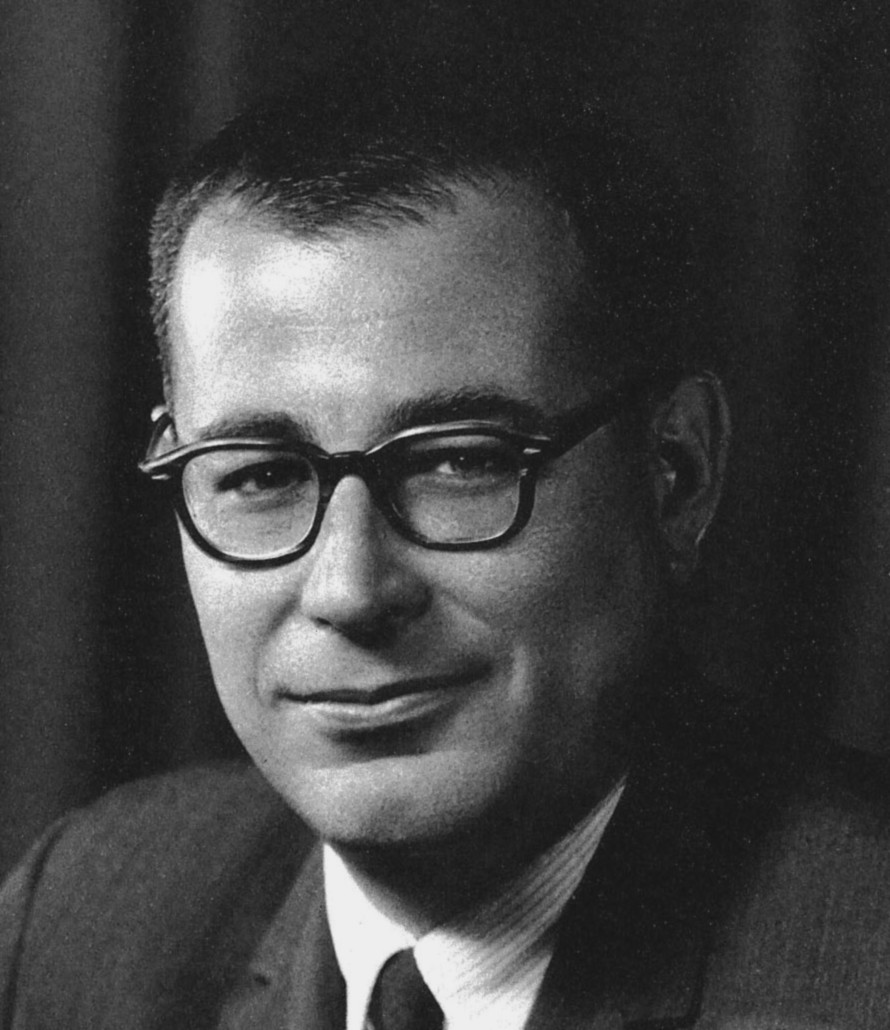



Major roles and responsibilities
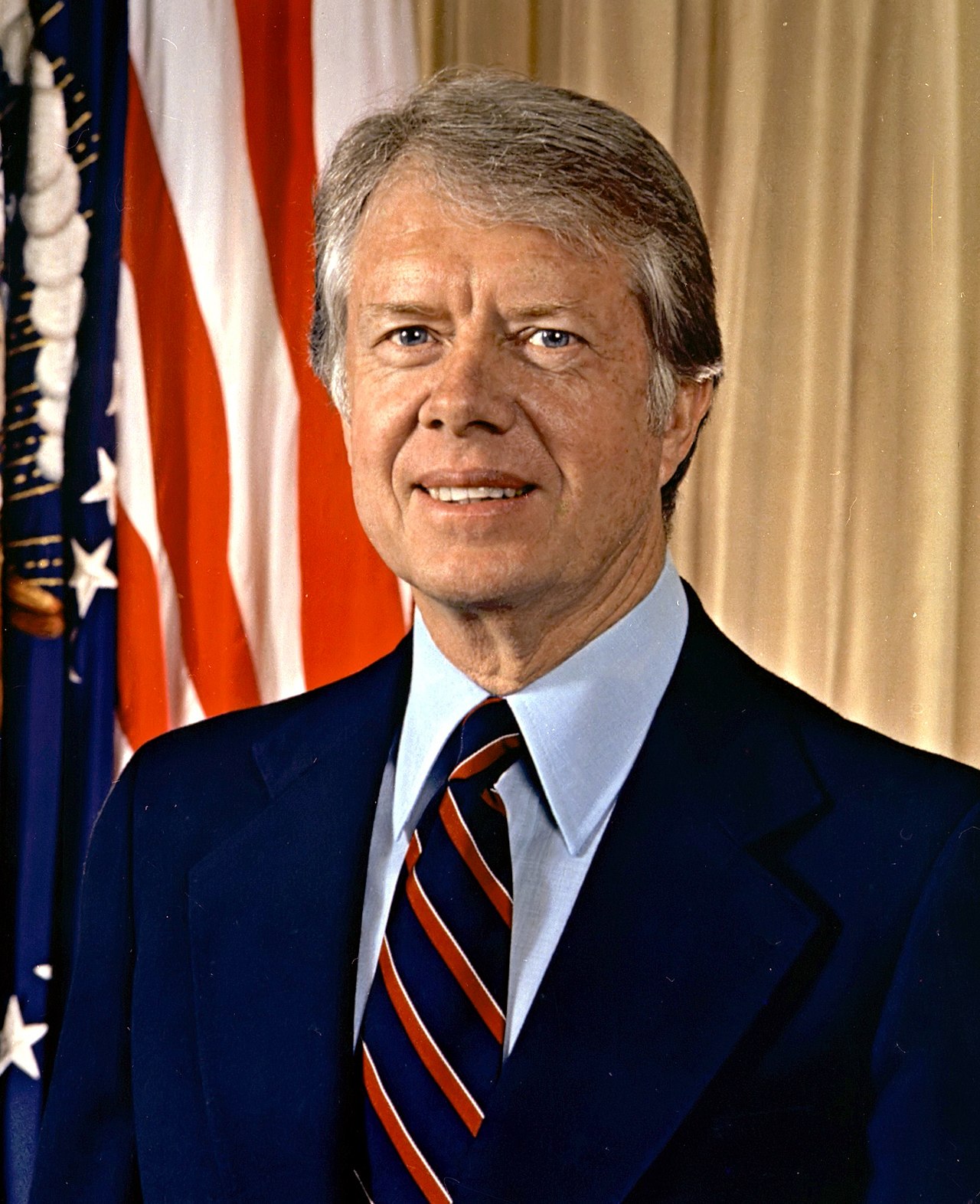
Brown occupied several senior positions in Washington. He served as Director of Defense Research and Engineering and later as Secretary of the Air Force during the Lyndon B. Johnson administration. After a period leading an academic research institution, he returned to government as U.S. Secretary of Defense from 1977 to 1981 in the cabinet of President Jimmy Carter. In each role he emphasized the importance of research, development, and the civilian management of military technology.
Career highlights
- Science and administration: Brown combined technical training with institutional leadership, helping to shape research priorities and defense procurement decisions.
- Defense policy: As Secretary of Defense he sought to balance modernization of forces with diplomatic arms control efforts and oversight of complex weapons programs.
- Academia and public service: Between government appointments he led a major research university, strengthening ties between higher education, industrial research, and national security needs.
Approach and legacy
Brown was known for bridging the worlds of science and policy. He advocated sustained investment in defense-related research and saw scientific expertise as essential to effective national security decisions. His tenure is often remembered for efforts to manage transitions after Vietnam, to oversee technology modernization, and to support arms control dialogues while maintaining deterrent capabilities.
Notable facts and timeline
- He began his career as a scientist and rose to senior technical posts in the Department of Defense (scientist).
- He later served as U.S. Secretary of Defense from 1977 to 1981, a period of Cold War tension and diplomatic negotiation.
- Earlier service included senior roles in the Johnson administration and leadership in higher education.
Personal life and death
Brown remained engaged in public affairs and advisory roles after leaving formal office. He died of pancreatic cancer on January 4, 2019, at his home in Rancho Santa Fe, California, aged 91. His career is frequently cited as an example of how scientific training can inform and influence national policy.
For introductions to his work and context for the periods when he served, readers may consult summaries of Cold War defense policy and biographies of administrations in which he served, including that of the Carter administration. Additional resources on his scientific and administrative roles are available in historical accounts of defense research and university leadership (scientific background, defense service, and institutional histories) and in public records from the periods he served.
Brown's career illustrates recurring tensions in modern defense policy: balancing technological advance, fiscal constraints, diplomatic engagement, and public accountability. Researchers and students of policy often examine his decisions to understand how technical expertise was institutionalized in defense management during the Cold War.
Related articles
Author
AlegsaOnline.com Harold Brown (1927–2019): U.S. Secretary of Defense and Physicist Leandro Alegsa
URL: https://en.alegsaonline.com/art/120327