
Pancreatic cancer: overview, symptoms, diagnosis, treatment, and prognosis
Pancreatic cancer is a malignant disease of the pancreas with a historically poor prognosis. This article summarizes types, symptoms, diagnosis, staging, treatment options, risk factors and prevention.
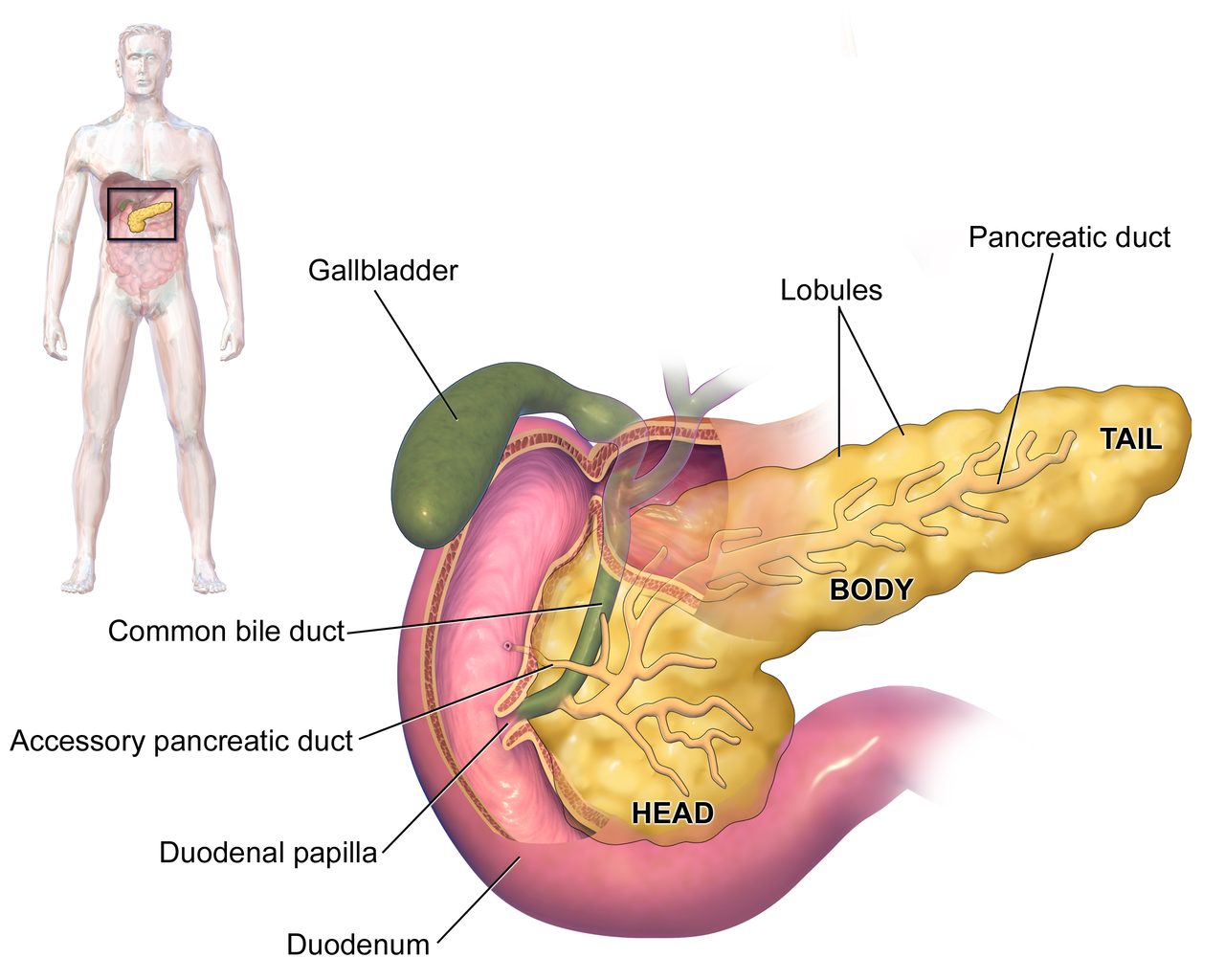
Pancreatic cancer refers to malignant tumours that arise in the pancreas, the gland behind the stomach that aids digestion and glucose regulation. Because early signs are often vague, the disease is frequently detected at an advanced stage. It has one of the lowest five‑year survival rates among common cancers and a poor prognosis compared with many other malignancies.
Image gallery
10 Images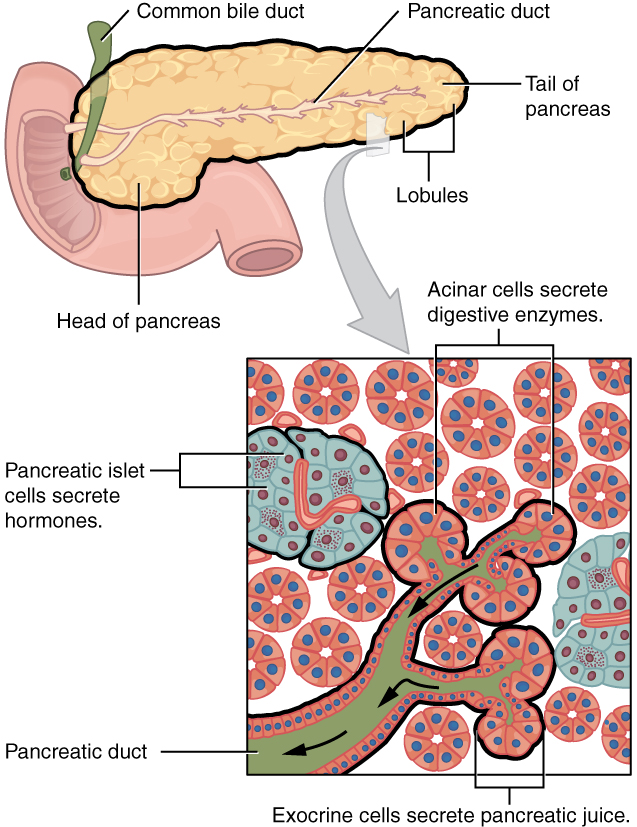





Types and characteristics
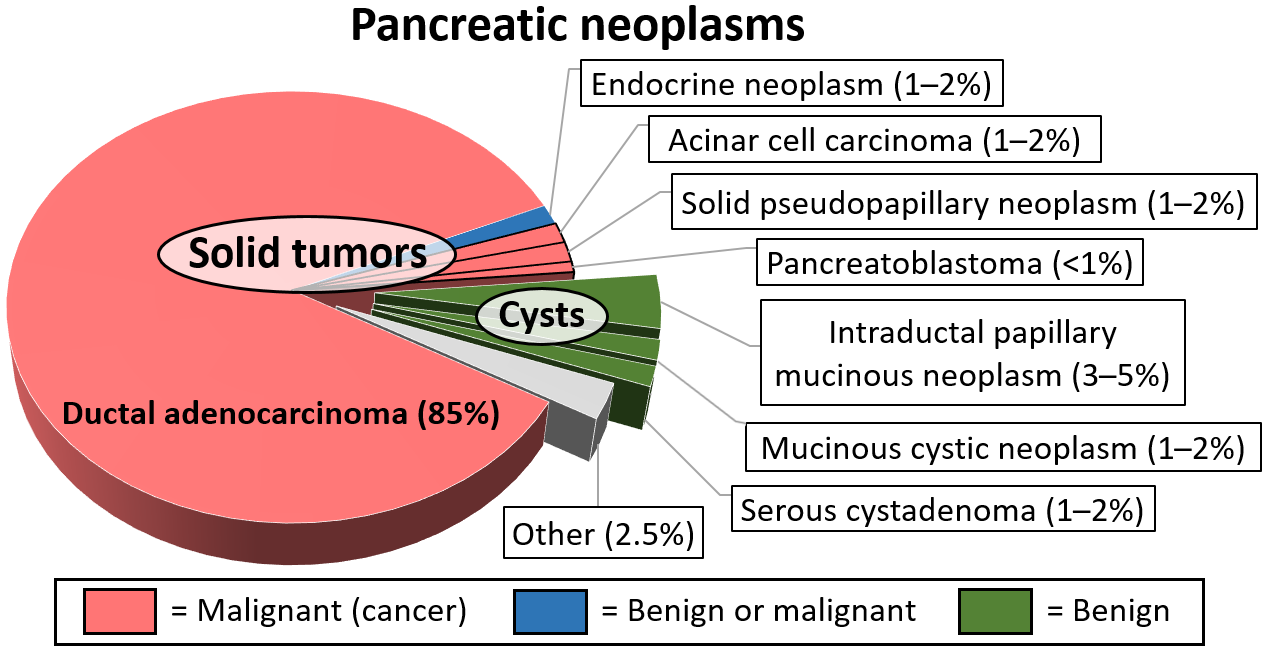
Most cases are pancreatic ductal adenocarcinoma (PDAC), which develops in the exocrine cells that line the pancreatic ducts. A smaller group, pancreatic neuroendocrine tumours (pNETs), arise from hormone‑producing cells and tend to behave differently. Tumours vary in aggressiveness, molecular features and response to therapy.
Symptoms, risk factors and diagnosis
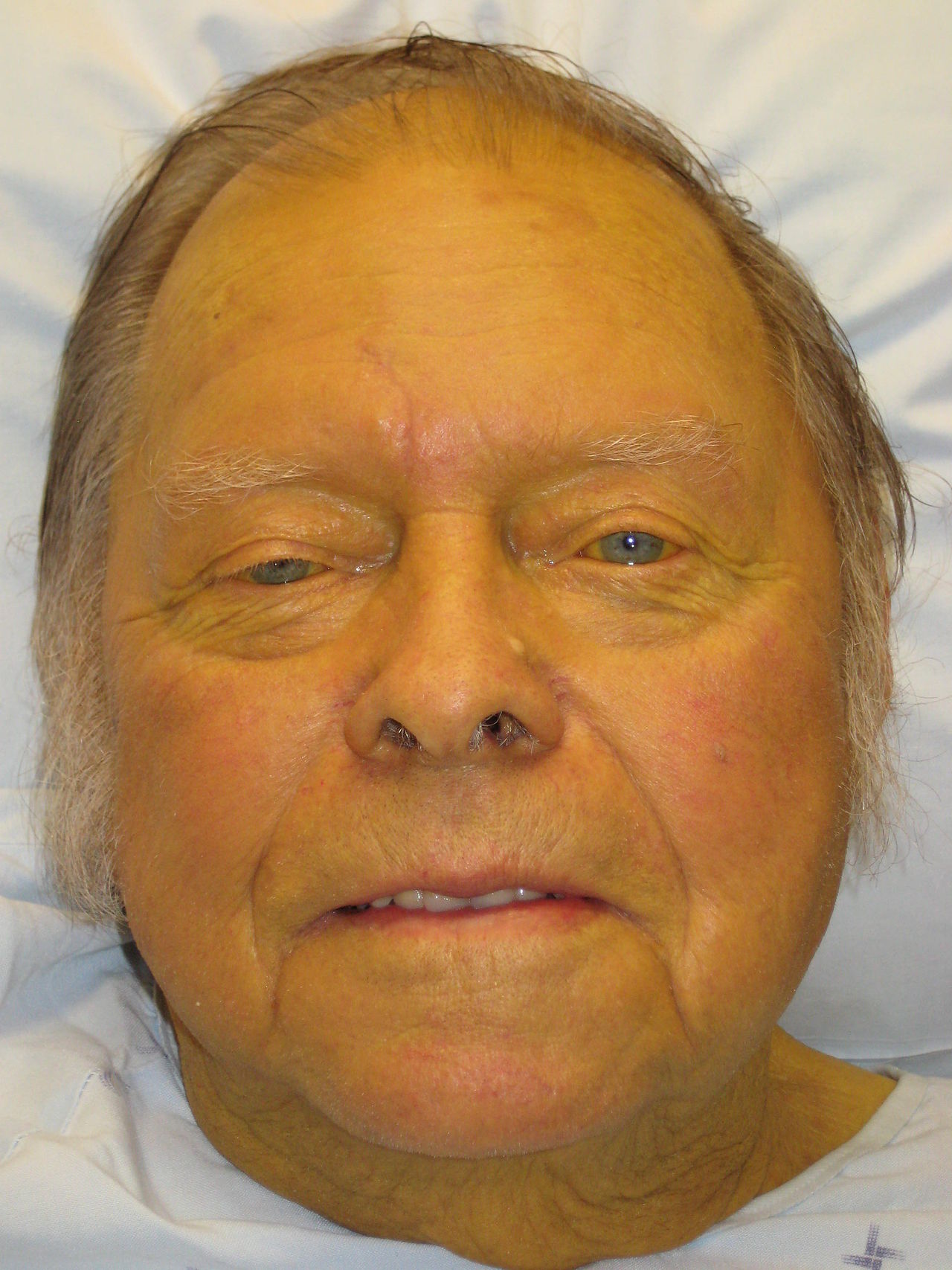
Common symptoms include abdominal or back pain, unintended weight loss, jaundice, new‑onset diabetes, and digestive changes such as greasy stools. Risk factors that increase likelihood include:
- Smoking
- Older age and male sex
- Chronic pancreatitis and long‑standing diabetes
- Family history and certain genetic mutations (for example BRCA2)
- Obesity
Diagnosis relies on imaging (contrast CT or MRI), endoscopic ultrasound with biopsy, and laboratory tests including tumour markers (e.g., CA 19‑9) to support clinical assessment.
Staging and treatment
Staging classifies disease as resectable (confined to the pancreas), locally advanced (involving nearby vessels), or metastatic. Surgical resection—such as pancreaticoduodenectomy (Whipple procedure)—offers the only potential cure for localized tumours. Most patients also receive systemic chemotherapy; radiotherapy and targeted or immunotherapies may be used in selected cases. For advanced disease, treatment focuses on extending survival and maintaining quality of life.
Prognosis, prevention and research
Prognosis is generally poor relative to other cancers because of late diagnosis and biologic aggressiveness. Prevention strategies emphasize smoking cessation, maintaining healthy weight, managing chronic pancreatitis and diabetes, and genetic counselling for high‑risk families. Research priorities include earlier detection methods, improved systemic therapies, and personalized approaches guided by tumour genetics.
Notable distinctions: PDAC differs markedly from pNETs in origin, behaviour and treatment. Ongoing clinical trials and advances in molecular profiling aim to change the historically limited outcomes for many patients.
Related articles
Author
AlegsaOnline.com Pancreatic cancer: overview, symptoms, diagnosis, treatment, and prognosis Leandro Alegsa
URL: https://en.alegsaonline.com/art/74331