
Gustavus Adolphus (Gustav II Adolf) of Sweden
King of Sweden (1611–1632), military innovator and Protestant leader in the Thirty Years' War; credited with elevating Sweden into a European great power and reforming its army and administration.
Overview
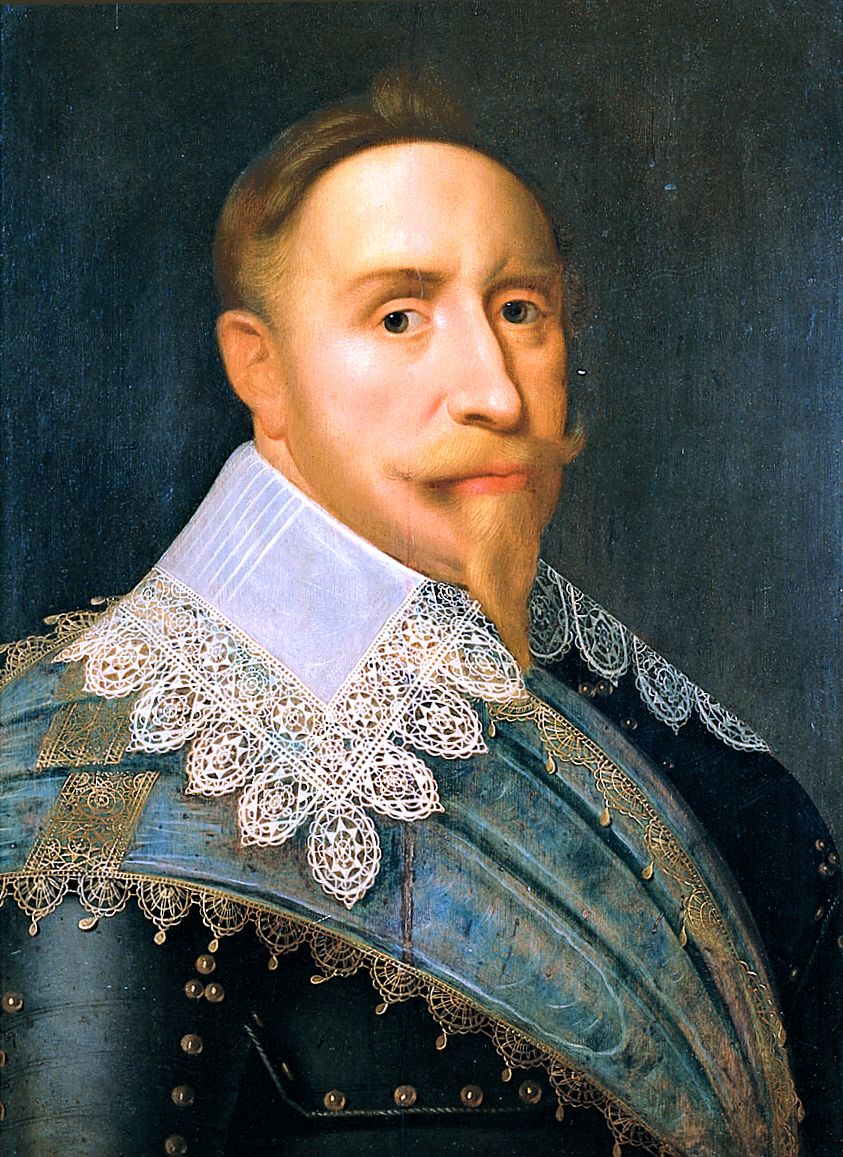
Gustav II Adolf (commonly Gustavus Adolphus in English) reigned as King of Sweden from 1611 until his death in 1632. Born in December 1594 and killed in battle in November 1632 (dates and basic biographical details), he presided over a period often called Sweden's era of great power (in Swedish, Stormaktstiden). His intervention in continental conflicts, most famously the Thirty Years' War, made him a central figure in early 17th-century European politics.
Image gallery
10 Images




Military innovations and style
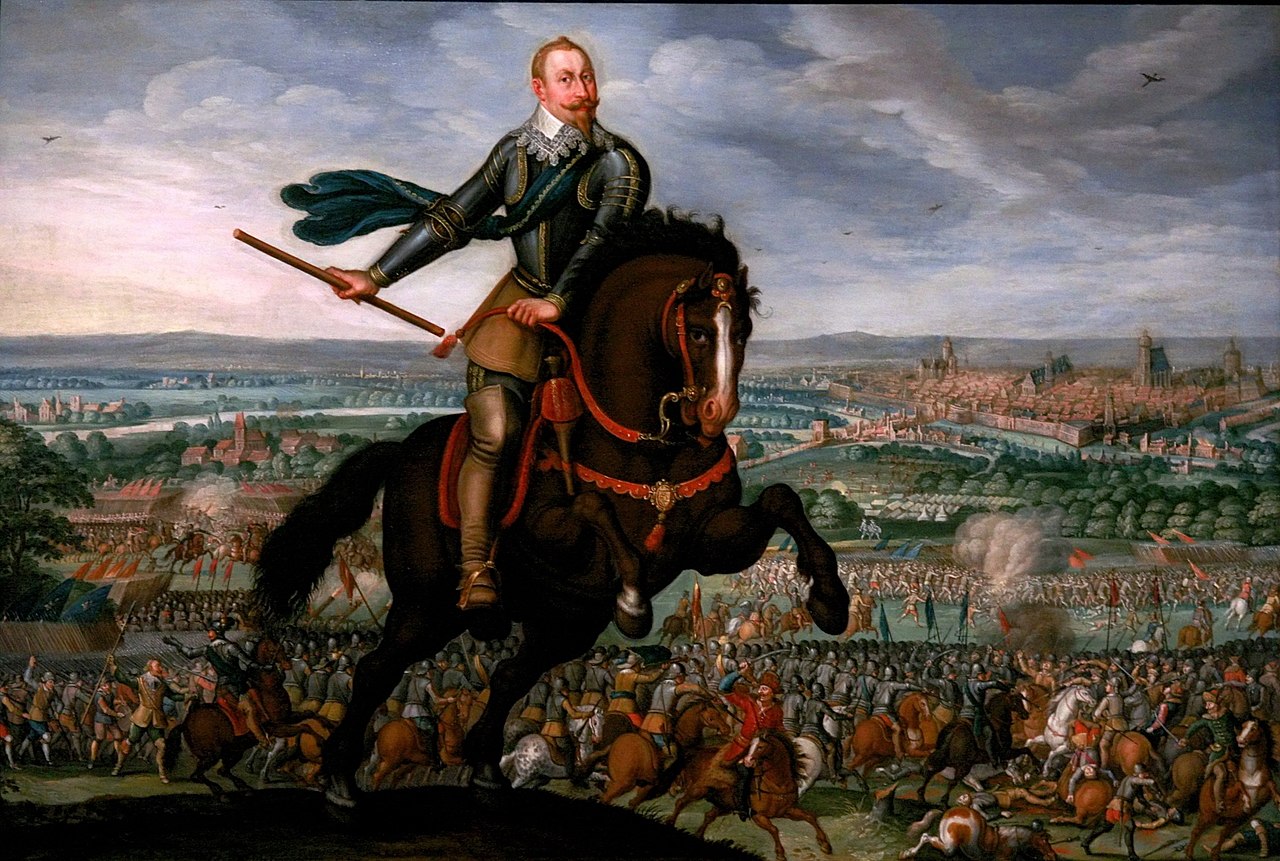
Gustavus Adolphus is widely regarded as a formative military leader who modernized battlefield organization and tactics. He emphasized discipline, mobility and combined arms—coordinating infantry, cavalry and artillery more closely than predecessors. His reforms included lighter, more mobile cannon and flexible infantry formations that increased firepower while preserving maneuverability.
Major reforms and governance
Beyond the battlefield, Gustavus worked to strengthen royal administration and fiscal systems so the state could support sustained military campaigns. He centralized authority, improved the collection of taxes necessary for a standing army, and encouraged trade and colonization efforts that secured Swedish interests in the Baltic region. His rule blended martial goals with institutional reforms that outlasted his lifetime.
Role in the Thirty Years' War and religious context
Arriving in Germany in 1630, Gustavus Adolphus cast himself as a protector of Protestant states against Habsburg forces. His victories and presence shifted momentum in favor of Protestant coalitions and altered the diplomatic map of northern Europe. While motivated by a mix of religious, political and strategic aims, his actions had long-term effects on the balance of power across the continent.
Death and legacy
Gustavus fell at the Battle of Lützen in 1632. His death on the field made him a heroic and tragic figure in many contemporary accounts and later memory. He left a strengthened Swedish state and an army whose methods influenced military development in Europe. In Sweden and beyond he is remembered as a key architect of the nation's early modern rise.
Notable facts
- Ascended the throne as a teenager in 1611 and spent most of his reign engaged in military campaigns.
- Implemented organizational changes often credited with helping create the modern European army.
- Remembered both for battlefield skill and for administrative reforms that funded a standing military.
- His life and campaigns are commemorated in national memory and in historical studies of the Thirty Years' War.
For concise timelines and primary references, see linked overviews and chronologies of his reign and the broader conflicts of his time (biographical, national, linguistic/cultural, war history).
Related articles
Author
AlegsaOnline.com Gustavus Adolphus (Gustav II Adolf) of Sweden Leandro Alegsa
URL: https://en.alegsaonline.com/art/120133