
Gustav IV Adolf of Sweden
King of Sweden from 1792 to 1809 whose conservative rule and anti‑Napoleonic policy led to the loss of Finland and his forced abdication; he lived in exile until his death in 1837.
Overview: Gustav IV Adolf (1 November 1778 – 7 February 1837) was King of Sweden from 1792 until his abdication in 1809. He became monarch as a child after the assassination of his father, Gustav III, and his reign is chiefly remembered for its firm opposition to Revolutionary and Napoleonic France, the loss of Finland to the Russian Empire and the constitutional and dynastic changes that followed his fall.
Image gallery
6 Images


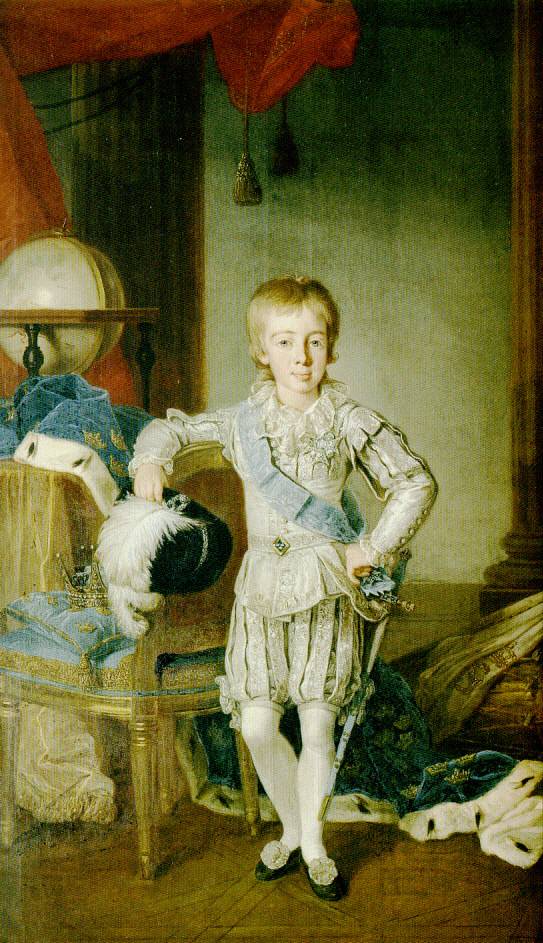

Early life and accession
As heir apparent, the young prince succeeded to the throne at the age of 14. A regency governed in his name during his minority, and he was strongly influenced by conservative advisers and by devout religious convictions. He assumed full royal powers in the mid‑1790s and sought to rule in a manner shaped by personal principle and traditional monarchical authority.
Marriage and domestic policy
Gustav IV married a German princess and maintained a court that reflected conservative, pious values. Domestically he resisted some of the liberal and revolutionary currents of the era and attempted to preserve the prerogatives of the crown. His style of rule and reluctance to compromise with emergent political forces created tensions with more reformist elements in Swedish politics.
Foreign policy and the Napoleonic wars
Gustav IV Adolf pursued a foreign policy staunchly hostile to Revolutionary and Napoleonic France. Sweden allied with Britain and other anti‑French powers. During the complex coalition wars of the period he struggled to protect Swedish interests in the Baltic and maintain influence against expanding Russian power. His inflexibility in diplomacy, however, left Sweden isolated at critical moments.
Loss of Finland and abdication
War with Russia in 1808–1809 resulted in military defeat and the cession of Finland to Russia by treaty. The loss of Finland was a profound blow to Swedish prestige and strategic position in the Baltic. Domestic discontent over the military failures, economic strain and dissatisfaction with the king’s leadership culminated in a coup by officers and political leaders in 1809. Gustav IV Adolf was deposed and forced to abdicate; his uncle succeeded him on the throne.
Exile and legacy
After his deposition a new constitution was adopted that limited royal authority and altered the balance of power between parliament and the crown. In the years that followed Sweden accepted a French marshal as heir to the throne, founding the Bernadotte dynasty that still reigns today. Gustav IV Adolf spent the remainder of his life in exile on the Continent and died in 1837. His descendants used the title Prince of Vasa.
Historical assessment
- His reign marks the end of Sweden’s era as a great Baltic power with the loss of Finland.
- The 1809 constitutional changes established restraints on royal authority that influenced modern Swedish governance.
- Historians debate whether his personal rectitude and refusal to compromise were principled or politically misguided; both traits shaped the course of his reign and its dramatic conclusion.
Related articles
Author
AlegsaOnline.com Gustav IV Adolf of Sweden Leandro Alegsa
URL: https://en.alegsaonline.com/art/120137
Sources
- worldstatesmen.org : "Sweden"