
Gustav I of Sweden (Gustav Vasa)
King of Sweden from 1523–1560 who led Swedish independence from the Kalmar Union, established a hereditary monarchy, and initiated the Reformation and administrative reforms that shaped modern Sweden.
Gustav I (Gustav Vasa; 1496–1560) became king of Sweden in 1523 after leading a successful revolt against Danish rule. His accession marked the end of effective Danish dominance in the region and the start of a new royal dynasty. When he secured power he guided Sweden away from union with Denmark and from the authority of Rome.
Image gallery
10 Images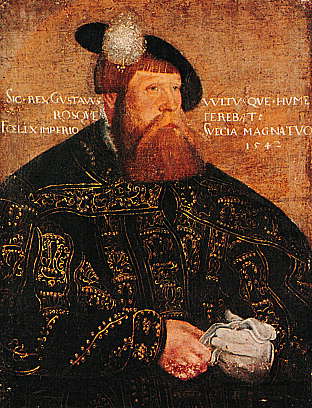


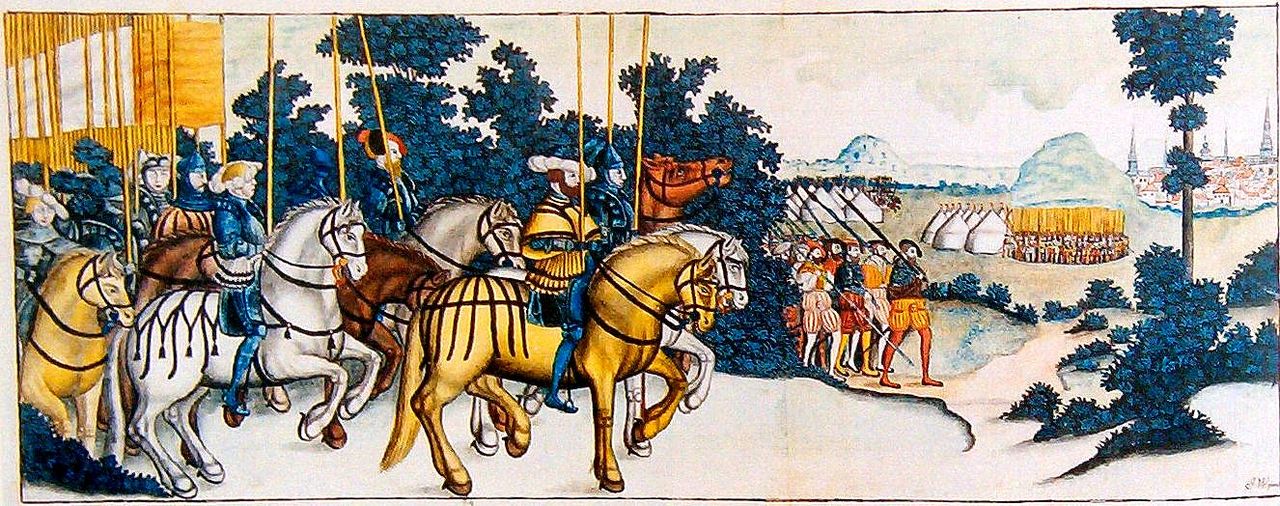
Rise to power
Emerging during the Swedish War of Liberation, Gustav consolidated support among nobles, towns and peasants to remove external overlordship. He was chosen by estates that sought stability and a stronger central government after decades under the Kalmar Union dominated by Denmark.
Reforms and religion
As monarch he centralized administration, reformed taxation and reduced the political influence of magnates and bishops. Gustav presided over a national church that broke with the Roman Catholic hierarchy, a process often described as the Swedish Reformation. The crown acquired church lands and wealth, strengthening royal finances and control.
Policies and governance
Gustav worked to create a hereditary monarchy and a more professional civil service and military. He reorganized local government, imposed more regular taxes, and built institutions that increased the state’s capacity to govern a larger territory and to raise resources for defense.
Legacy
- Founder of the House of Vasa and the modern Swedish state.
- Laid foundations for Lutheranism in Sweden and curtailed clerical power.
- Initiated fiscal and administrative changes that lasted beyond his reign.
Gustav’s reign closed the chapter of the Kalmar Union and set Sweden on a path toward becoming a centralized, Protestant kingdom. His actions remain central to Swedish historical identity and have been the subject of both praise for state-building and criticism for authoritarian methods. For more on the international context of his rule see the Kalmar Union.
Related articles
Author
AlegsaOnline.com Gustav I of Sweden (Gustav Vasa) Leandro Alegsa
URL: https://en.alegsaonline.com/art/120138
Sources
- worldstatesmen.org : "Sweden"