
Guido von List: Austrian occultist, runic theorist and völkisch writer
Overview of Guido von List (1848–1919), his runic teachings, völkisch and occult views, influences, followers and the historical reception of his antisemitic and racial ideas.
Overview
Guido von List (born Karl Anton List; 5 October 1848 – 17 May 1919) was an Austrian writer and esoteric thinker whose work blended Germanic myth, runic speculation and nationalist racial ideas. He was born in Vienna and died in Berlin. List adopted the aristocratic particle "von" and became a prominent figure within the late 19th- and early 20th-century völkisch milieu. His writings combined romanticized notions of pre-Christian Germanic culture with occult beliefs and explicit antisemitism, and they circulated among readers and groups interested in alternative spirituality, race theory and national renewal.
Image gallery
6 Images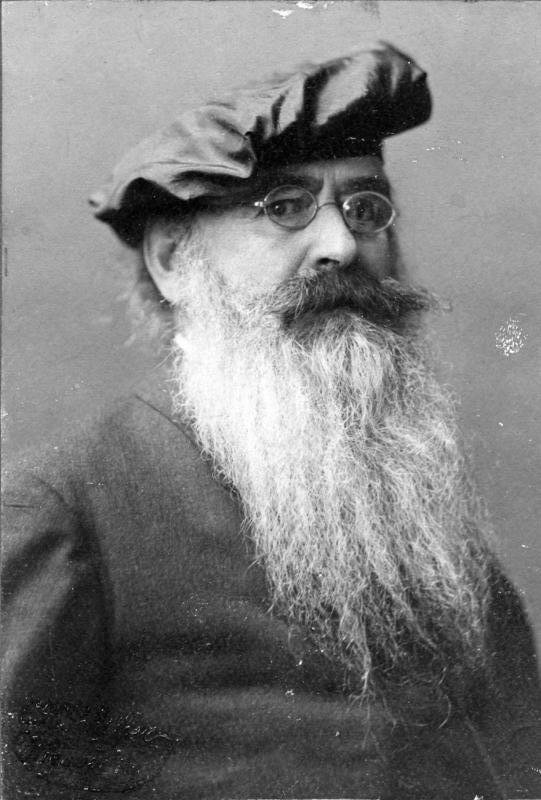


Key ideas and motifs
List argued for a hierarchized view of human groups and promoted the idea of a racialized cultural mission for what he described as the Aryan peoples. He treated questions of race and identity as central to his worldview, and he asserted that Jewish influence represented a civilizational threat—claims now understood as antisemitic conspiracy theories. In his esoteric program runes occupied a central place: he proposed a system of runes (often called the Armanen runes) that he credited with special or magical efficacy and symbolic power. He drew on several strands of contemporary thought, including the racial ideas of writers like Arthur de Gobineau and the occult-theosophical currents associated with figures such as Helena Blavatsky.
Publications, movements and influences
List produced a number of pamphlets and books describing his reconstructions of ancient Germanic religion, runic lore and national myths; among these works he set out his runic interpretations and ritual suggestions. His followers organized societies and periodicals to promote what came to be known as Armanism or Listianism. These formations operated within a broader European context in which Western European readers were receptive to mystical nationalism and racialist ideas during the late 19th century and early 20th century. Contemporary writers and activists in related circles included the racial theorist Houston Stewart Chamberlain.
Characteristics and practices
- Runic reinterpretation: List proposed an 18-sign runic alphabet and attached esoteric meanings and ritual uses to those signs.
- Occult method: he combined mystical, initiatory language with claims about historical revelation and spiritual insight.
- Völkisch politics: his work fused cultural nationalism with theories about ethnic destiny and purity.
- Conspiratorial framing: List alleged hostile covert influence by Jewish communities, a core part of his political rhetoric and a major reason his thought is criticized today.
Reception and legacy
During his lifetime List gathered a circle of adherents and helped stimulate a strand of Germanic esotericism that later scholars label "Ariosophy." One of the figures often mentioned as part of the same milieu is Jörg Lanz von Liebenfels, while supporters and critics debated List's historical claims and racial prescriptions. Historians and researchers of modern occultism note that List's synthesis provided symbolic resources that were later appropriated by various völkisch and nationalist movements; scholars caution, however, that the relationship between occult ideas and political developments is complex and should not be reduced to simple causal claims. Academics analyze his writings as an example of how myth, pseudo-history and esotericism interacted with popular racism in Central Europe.
Notable facts and critical assessment
List is now chiefly studied in the contexts of modern esotericism, Germanic mysticism and the history of racist ideologies. Modern commentators emphasize the harmful social and political effects of his antisemitic and racial doctrines even as they trace his role in the cultural history of occultism. His claims about runic magic and revelations are treated by scholars as part of a constructed tradition rather than an evidence-based reconstruction of ancient practice. For further reading on specific aspects of his biography and ideas, see contemporary digital and archival projects and specialist studies that contextualize List among other fin-de-siècle thinkers.
Relevant topics and names connected with List's work include the cultural importance he attached to runes and their supposed magical potency, his embracing of racial theory as seen in references to race and a purported Jewish conspiracy, and his place within a wider European fascination with occult nationalism originating in cities such as Vienna. Scholars frequently situate him alongside other intellectual currents and individuals of the era, and primary and secondary source material is available in a range of archives and collections on his writings and in studies of occultism and racial theory.
For focused examinations of List's thought and its historical consequences see specialized scholarship and critical overviews; online catalogues and academic repositories also maintain entries about his publications and associated groups, including periodicals and societies that perpetuated his ideas in Germany and beyond. Researchers often refer readers to comparative studies of late 19th-century esotericists and to analyses of how myths of national origin were reshaped into political doctrines across Europe (see related authors).
Related articles
Author
AlegsaOnline.com Guido von List: Austrian occultist, runic theorist and völkisch writer Leandro Alegsa
URL: https://en.alegsaonline.com/art/120100