
Bladderwort (Utricularia): suction‑trapping aquatic and wet‑soil carnivores
Bladderworts (genus Utricularia) are carnivorous plants with minute suction bladders that capture microscopic and small aquatic prey. About 230 species occur worldwide in fresh water and wet soils.
Overview
Bladderworts are plants of the genus Utricularia, members of the carnivorous plant group carnivorous plants. The genus contains roughly 230 species that occupy a wide range of wet habitats. Species appear as either terrestrial forms in saturated soils or as free‑floating or submerged aquatic plants. They are found on every continent except Antarctica, and are notable both for their delicate flowers and their unusual feeding structures.
Image gallery
7 Images



Appearance and flowers
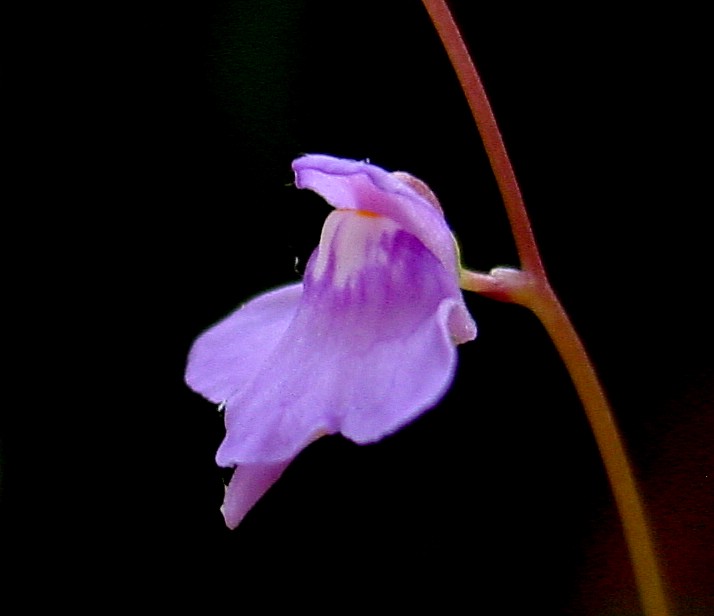
Vegetative parts are often reduced and threadlike; many bladderworts lack true roots and spread by stolons or finely divided leaves. The flowers are typically showy and zygomorphic, sometimes compared to those of snapdragons or orchids; this floral appeal is why some species are cultivated for their flowers and grown by bog gardeners and aquatic plant enthusiasts. The floral form resembles elements of other ornamental groups, as noted in horticulture descriptions (snapdragons and orchids), and is one of the more visible features that attracts interest beyond specialist botanists.
Traps and how they work
All Utricularia are true carnivores that capture prey using small bladder‑like traps. A bladder is a hollow, flexible organ with a door sealed by a gasket; trigger hairs on the door detect contact. When set, the interior is held under slight negative pressure. A prey item brushes the hairs, the door flips inward, and the surrounding water and animal are sucked in. The intake and resealing happen extremely quickly: aquatic bladders can ingest prey in about ten to fifteen thousandths of a second, after which digestion begins.
Trap diversity and prey
Trap size and diet vary across the genus. Individual bladders range from about 0.2 mm to 1.2 cm in size, and correspondingly capture different kinds of organisms. Terrestrial species tend to capture microscopic soil organisms such as protozoa and rotifers, while larger aquatic bladders take advantage of small crustaceans and invertebrates. Typical prey items reported in natural histories include:
- Daphnia and other small crustaceans
- Nematodes
- Mosquito larvae (and related dipteran larvae, sometimes referenced simply as mosquito prey)
- Very small fish and juvenile amphibians such as tadpoles in the largest bladders
Habitat, ecology and evolution
Bladderworts are typical of nutrient‑poor wetlands, shallow ponds and seasonally saturated soils where relying solely on root uptake would be disadvantageous. Carnivory supplements nutrient intake, especially nitrogen and phosphorus, by digesting captured animals. Their traps are regarded as among the most mechanically sophisticated adaptations in the plant kingdom, and the group attracts study from ecologists and biomechanists interested in fast plant movements and the evolution of carnivory. Within their ecosystems they can influence microfaunal populations and contribute to nutrient cycling.
Cultivation, uses and notable facts
Many species are kept by hobbyists in aquaria, bog gardens or specialized collections for their flowers and unusual habits. Bladderworts have been used experimentally in captive settings to reduce small aquatic pests such as mosquito larvae, though their effectiveness varies and they are not a universal control method. Scientists continue to study their ultrafast traps as models of rapid plant movement. As a distinctive and diverse genus, Utricularia illustrates both the diversity of carnivorous strategies and the fine‑scale adaptations required to thrive in wet, low‑nutrient environments.
Questions and answers
Q: What is the scientific name for bladderworts?
A: The scientific name for bladderworts is Utricularia.
Q: How many species of bladderworts are there?
A: There are about 230 species of bladderworts.
Q: Where do bladderworts typically live?
A: Bladderworts typically live in fresh water and wet soil as terrestrial or aquatic species, and can be found on every continent except Antarctica.
Q: What do the flowers of bladderworts look like?
A: The flowers of bladderwort plants resemble those of snapdragons and orchids.
Q: How do bladderwort traps capture their prey?
A: Bladderwort traps capture their prey by means of a trigger hair connected to a trapdoor that is under negative pressure. When the trapdoor is triggered, the prey, with the water around it, is sucked into the bladder. Once full, the door closes again; this process takes only ten to fifteen thousandths of a second.
Q: What type of organisms do terrestrial species feed on?
A: Terrestrial species tend to have tiny traps that feed on minute prey such as protozoa and rotifers swimming in water-saturated soil.
Q: What type of organisms do aquatic species feed on?
A: Aquatic species have bladders that are usually larger and can feed on water fleas (Daphnia), nematodes, even tiny fish, mosquito larvae and young tadpoles.
Related articles
Author
AlegsaOnline.com Bladderwort (Utricularia): suction‑trapping aquatic and wet‑soil carnivores Leandro Alegsa
URL: https://en.alegsaonline.com/art/12040