
Bodhi Tree (Ficus religiosa) — the Sacred Fig of Bodh Gaya
The Bodhi Tree is the sacred fig under which Siddhartha Gautama attained enlightenment at Bodh Gaya. It is venerated, widely propagated and preserved as a living symbol of Buddhist awakening.
Overview
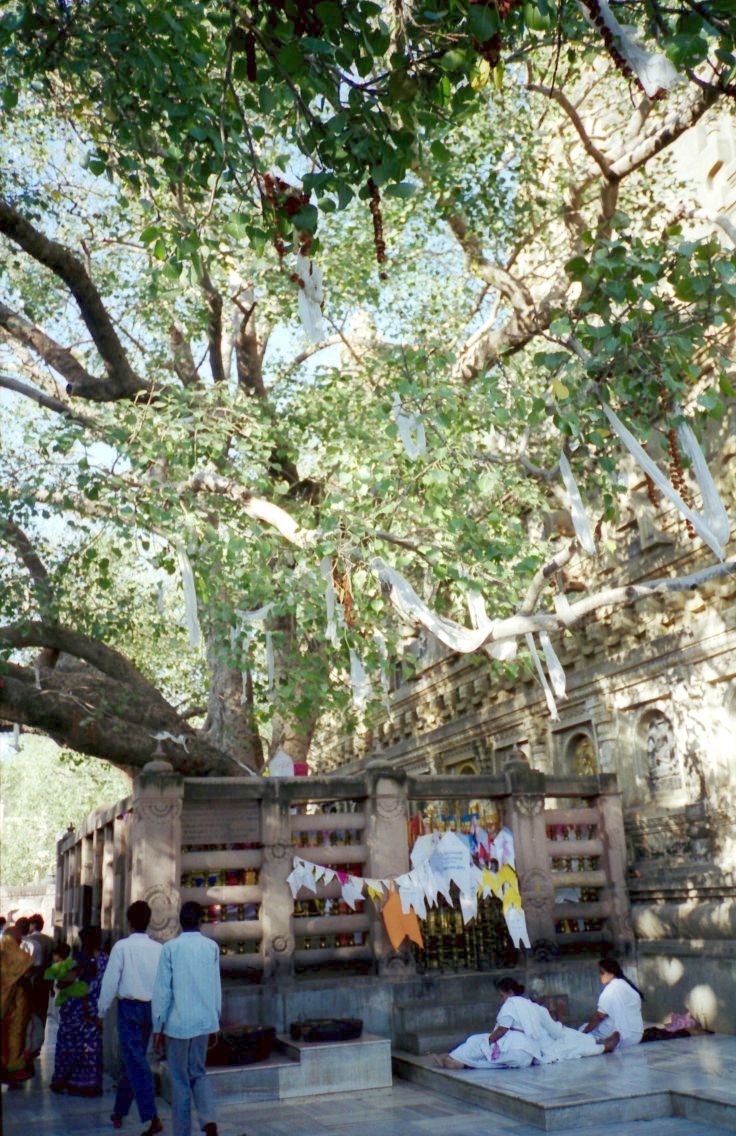
The term "Bodhi Tree" commonly denotes the sacred fig (Ficus religiosa) associated with the place where Siddhartha Gautama is said to have attained bodhi, or awakening, at Bodh Gaya. In Buddhist tradition the tree at the Mahabodhi Temple stands as the emblem of that transformative event. The name "Bodhi" is closely linked to the spiritual meaning of awakening and is used both for the state (see Bodhi (enlightenment)) and for the tree that embodies the event. For botanical context see the sacred fig (Ficus religiosa) entry and for the site details consult the Mahabodhi Temple resources.
Image gallery
10 Images





Botanical description
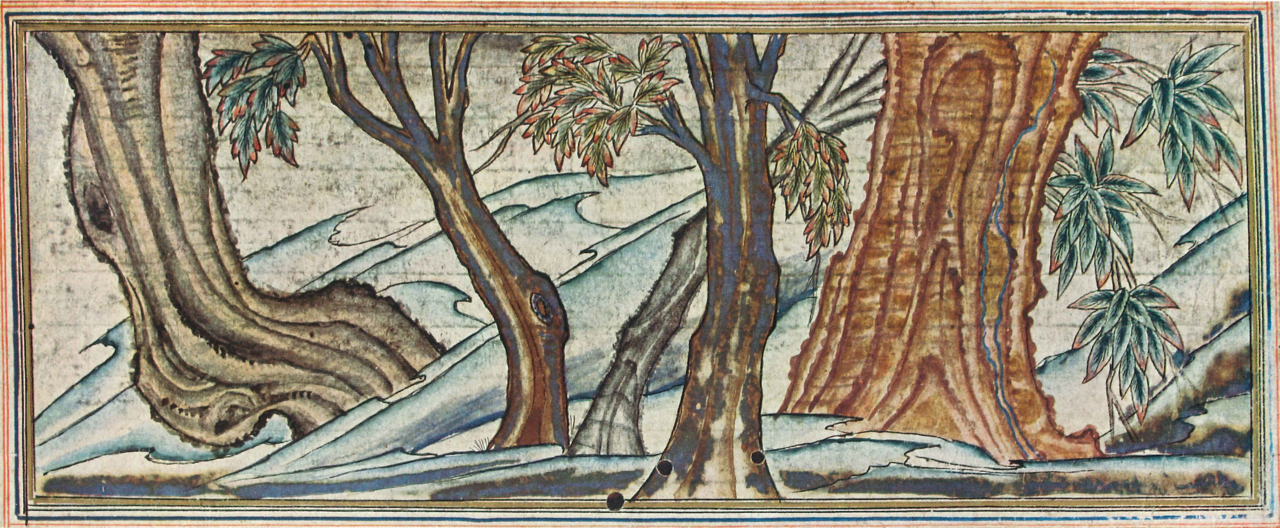
Ficus religiosa is a species of fig native to the Indian subcontinent and distinguished by its heart-shaped leaves with a long tapering tip. Common vernacular names include "peepal" or "pipal" and "bodhi tree." Trees of this species can grow into large, spreading specimens and develop a broad canopy. The tree's roots and aerial prop roots are characteristic of many figs, and individuals can live for many decades under favorable conditions. The Bodhi Tree functions both as a botanical organism and as a cultivated sacred plant, often carefully tended in temple precincts.
Historical significance and tradition
According to Buddhist tradition, Siddhartha Gautama attained enlightenment while meditating beneath the original tree at Bodh Gaya; this event is traditionally dated to the late first millennium BCE. The Mahabodhi Temple complex, where a descendant tree is located, is an important pilgrimage site and is recognized internationally for its cultural value. The association of a living tree with a foundational religious event has made the Bodhi Tree a powerful symbol across Buddhist communities.
Descendants, propagation and notable specimens
Over centuries the original tree is said to have died several times and to have been replaced or regenerated. Saplings reputedly propagated from the Bodh Gaya specimen have been planted at important religious centers. A notable example preserved in Sri Lanka is traditionally regarded as a direct descendant and is venerated at Anuradhapura; many other monasteries and temples maintain saplings grown from revered specimens. Such plantings extend a lineage of veneration and provide living connections to the foundational story.
Pilgrimage, ritual and cultural role
The tree is the focal point for many devotional activities: pilgrims perform circumambulation, offer flowers and lamps, and conduct meditation and recitation beneath its shade. The site draws visitors from across Asia and the world, including those who study the life of Siddhartha Gautama or honor the teacher often called Gautama Buddha. Pilgrim accounts and ritual manuals describe varied practices that emphasize the tree's role as both a historical marker and a living shrine; for more on contemporary pilgrim traditions see pilgrim resources.
Conservation and threats
Because of its religious importance the Bodhi Tree and its descendants are subject to protective measures, ranging from local caretaking to broader conservation policies within temple precincts. Threats include urban development, pollution, and biological stresses that affect many mature trees. Preservation efforts balance the needs of large numbers of visitors with the tree's health: routine pruning, soil management and controlled access are commonly employed. Scholarly study and heritage designation, such as the protection of the temple complex, have aided conservation planning.
Cultural representations
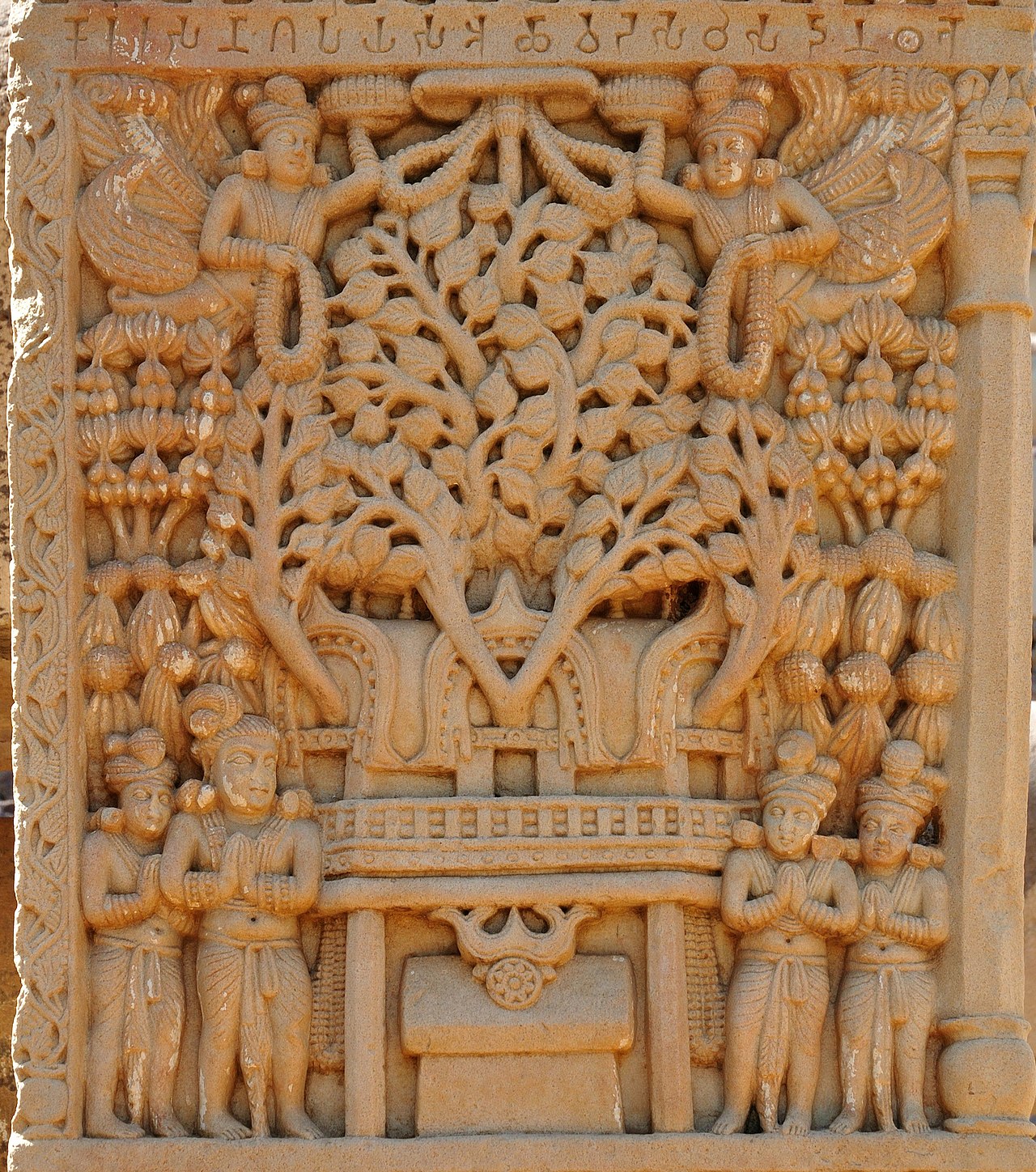
The Bodhi Tree appears widely in Buddhist art, literature and iconography as a motif representing awakening, refuge and the continuity of the teaching. It is depicted in paintings, temple carvings and ritual objects and serves as a template for devotional gardens and commemorative plantings. Beyond strictly religious contexts, the tree also functions as a symbol of peace, contemplation and the human capacity for insight.
- See Ficus religiosa for botanical notes.
- Visit the Mahabodhi Temple entry for site history and status.
- Traditional biographies reference Siddhartha Gautama and the attainment of bodhi.
- Some modern pilgrim guides and cultural surveys discuss practices around the tree; examples are summarized in pilgrim tradition resources.
Questions and answers
Q: What is the Bodhi Tree?
A: The Bodhi Tree is a large and very old sacred fig tree (Ficus religiosa).
Q: Why is the Bodhi Tree significant?
A: The Bodhi Tree is significant because Siddhartha Gautama, the spiritual teacher and founder of Buddhism, achieved Bodhi (spiritual enlightenment) while sitting under this tree.
Q: What is the significance of the heart-shaped leaves of the Bodhi Tree?
A: The heart-shaped leaves of the Bodhi Tree make it easily recognisable.
Q: What does the term "Bodhi tree" refer to other than the tree at the Mahabodhi Temple?
A: The term "Bodhi tree" is also applied to some existing trees, particularly the Sacred Fig growing at the Mahabodhi Temple, which is probably a direct descendant of the original tree.
Q: Why do pilgrims visit the Bodhi Tree?
A: The Bodhi Tree is a frequent place for pilgrims to visit, being the most important of the four holy sites for Buddhists.
Q: Where is the Mahabodhi Temple located?
A: The Mahabodhi Temple is located in Bodh Gaya.
Q: What religion is associated with the Bodhi Tree?
A: Buddhism is the religion associated with the Bodhi Tree.
Related articles
Author
AlegsaOnline.com Bodhi Tree (Ficus religiosa) — the Sacred Fig of Bodh Gaya Leandro Alegsa
URL: https://en.alegsaonline.com/art/12593
Sources
- lakdiva.org : The Mahavamsa: the great chronicle of Lanka