
George Murphy: American dancer, actor, and U.S. senator
Profile of George Murphy (1902–1992), an American entertainer who served as Screen Actors Guild president and as a Republican U.S. senator from California (1965–1971).
George Lloyd Murphy (July 4, 1902 – May 3, 1992) was an American dancer, actor and political figure whose career bridged Hollywood and public service. A member of the Republican Party, Murphy became notable for both his work in musical films and his later single term in the U.S. Senate. His life illustrates the mid-20th-century crossover between entertainment and politics.
Image gallery
4 Images

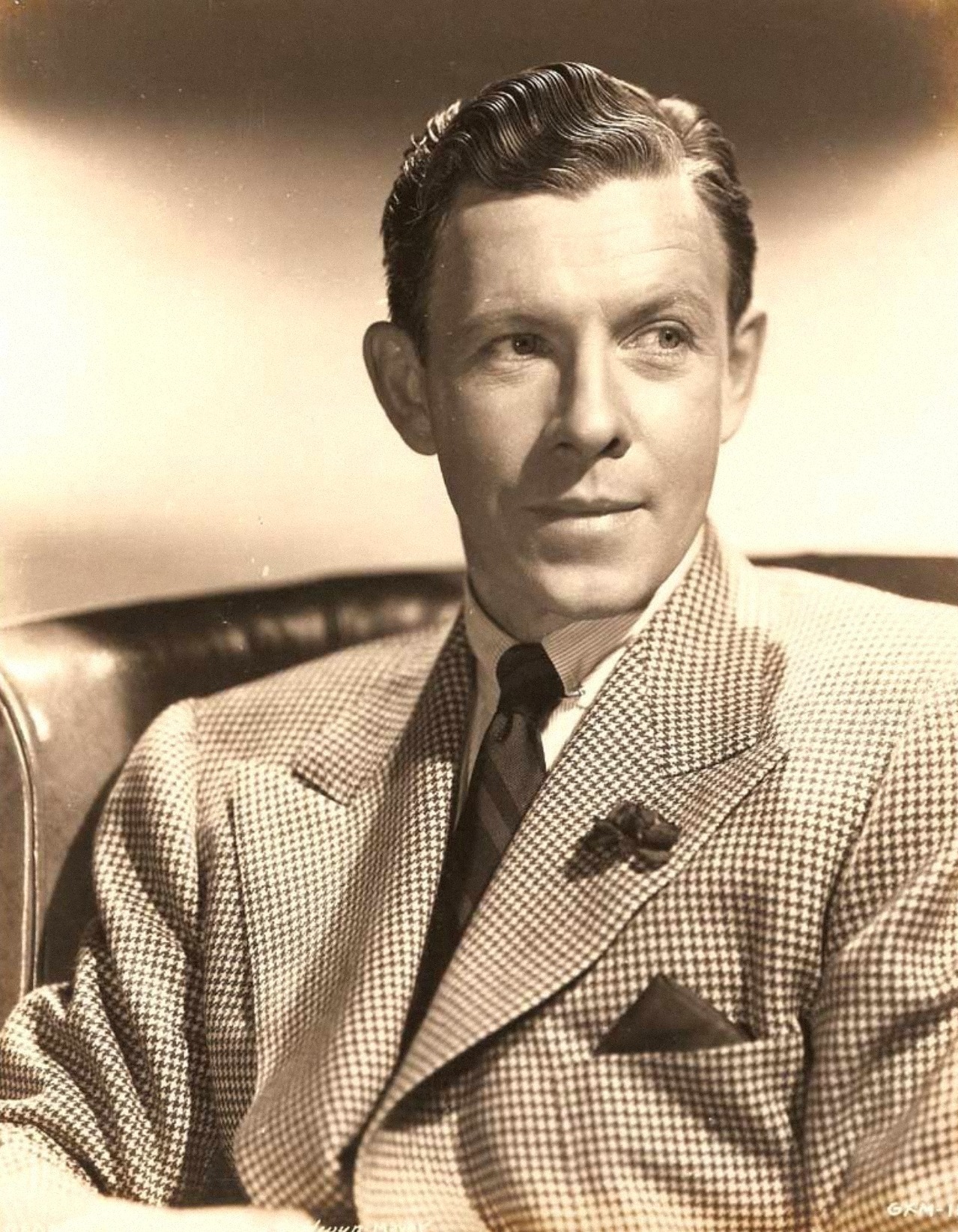

Early life and education
Murphy was born in New Haven, Connecticut, and developed an early interest in performance. He attended Yale University, where he took part in campus theatrical activities before moving into professional dance and stage work. His training and stage presence paved the way for a career in Hollywood musicals and touring productions.
Entertainment career and industry leadership
Murphy worked largely in musical films and on stage, earning recognition as a charismatic performer and vocalist in light entertainment. Beyond on-screen roles, he became active in industry affairs and was elected president of the Screen Actors Guild from 1944 to 1946. That leadership role gave him experience in labor and organizational matters and raised his profile among colleagues and studio executives.
Political career
Building on his public visibility and organizational experience, Murphy entered electoral politics in California. He served as a United States senator representing California from 1965 to 1971. His term coincided with a turbulent period in American politics; he served one full term in the Senate and was an example of entertainers who translated name recognition into elected office. He lost re-election after one term and returned to private life.
Personal life and death
Murphy married Juliette Henkel-Johnson in 1926; she died in 1973. He later married Betty Duhon Blandi in 1982. He was the father of two children, Dennis and Melissa. In his later years he split time between residences and retired from public activity. Murphy died in Palm Beach, Florida, on May 3, 1992, at the age of 89, after a battle with leukemia.
Legacy and notable facts
- Entertainment-politics crossover: Murphy is often cited as an early example of performers who moved into elected office, a pattern that continued later in the 20th century.
- Guild leadership: His presidency of the Screen Actors Guild came during the 1940s, a formative era for labor organization in Hollywood.
- Single Senate term: Murphy served one term in the U.S. Senate (1965–1971), reflecting both the opportunities and limits of celebrity candidacies.
While not as widely remembered as some contemporaries, Murphy's dual career in show business and public service illustrates a distinct strand of American cultural and political history: performers translating popular recognition into institutional influence. For more on mid-century Hollywood labor history and the movement of entertainers into politics, see contemporary studies and archival materials.
Related articles
Author
AlegsaOnline.com George Murphy: American dancer, actor, and U.S. senator Leandro Alegsa
URL: https://en.alegsaonline.com/art/119628