
Black rhinoceros (Diceros bicornis)
A large African rhinoceros species known for its prehensile upper lip, browsing diet, two horns and critical conservation status; native to parts of eastern and southern Africa.
Overview
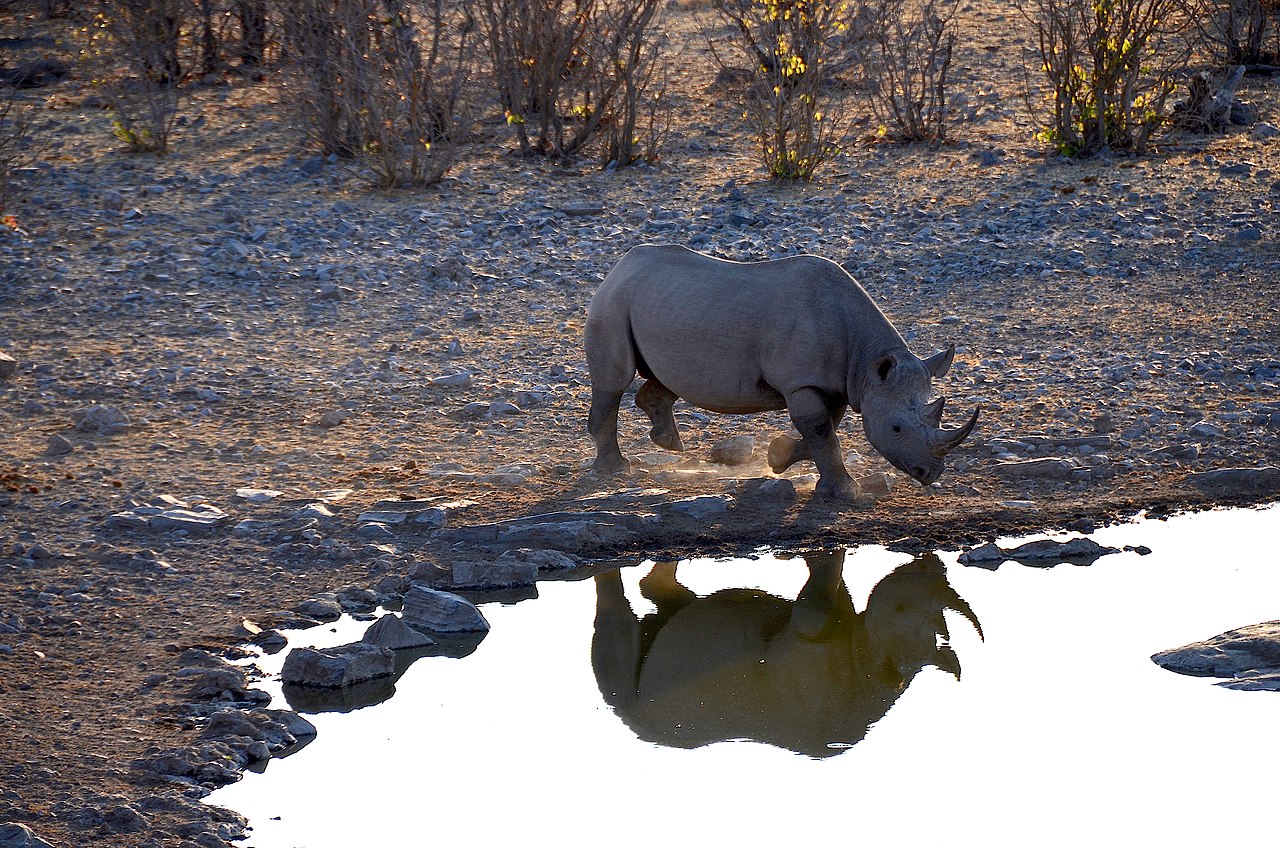
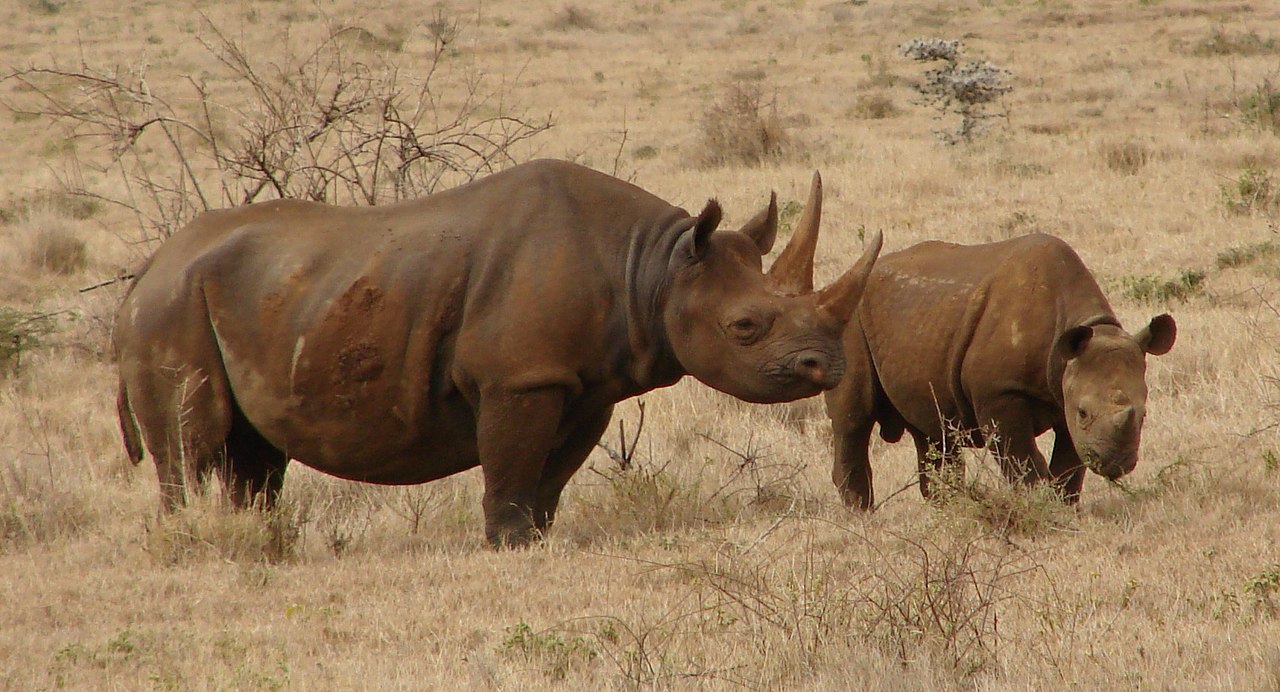
The black rhinoceros, Diceros bicornis, is a distinctive species of rhinoceros native to parts of Africa. Despite its common name, it is not truly black but varies from dark grey to brown, often appearing darker when wet or covered in mud. It carries two horns on its snout and is best known for a pointed, prehensile upper lip that it uses to select browse from shrubs and low branches.
Image gallery
10 Images



Distribution and habitat
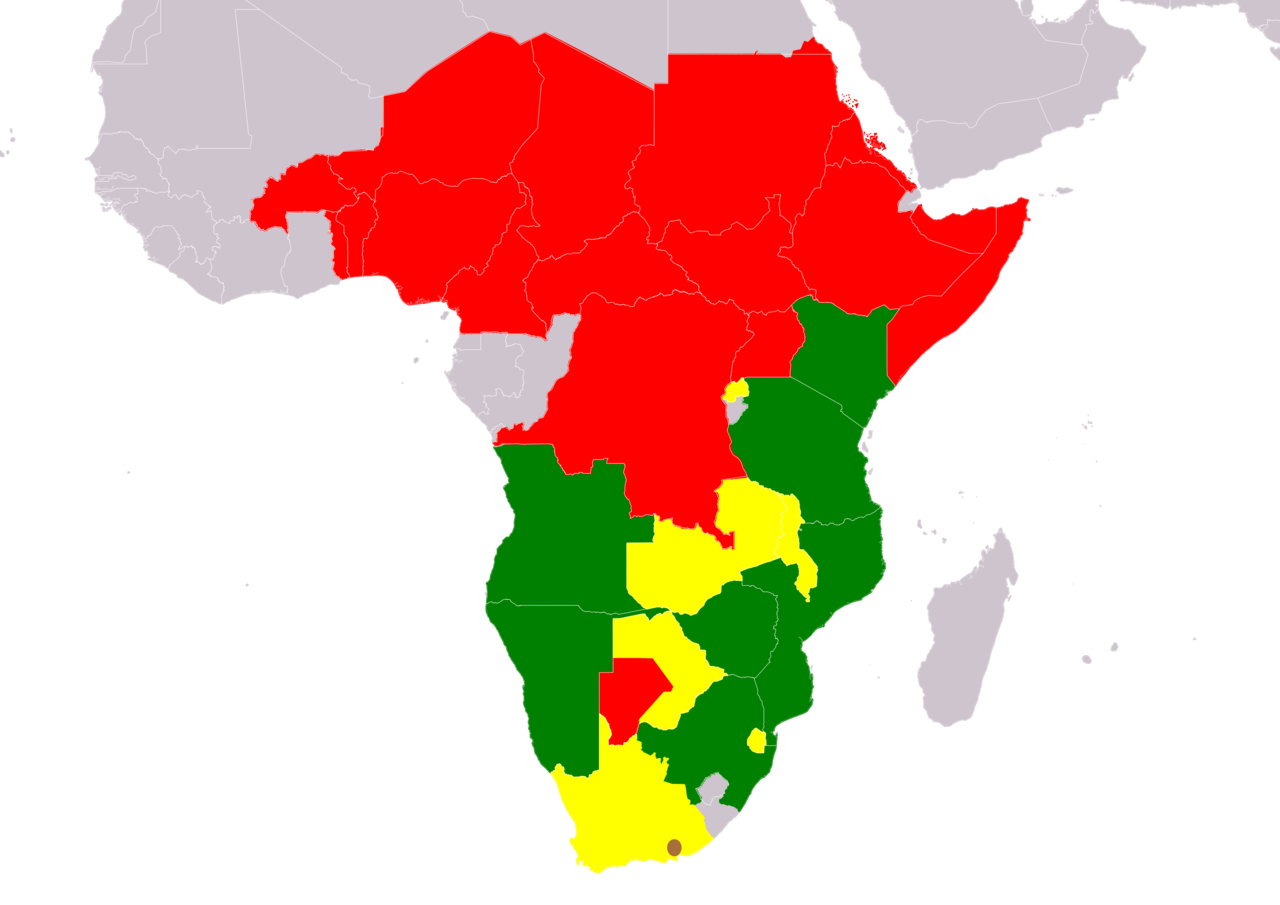
Historically widespread across the continent, the black rhinoceros today survives in fragmented populations across eastern and southern Africa. Key range countries include Kenya, Tanzania, Cameroon, South Africa, Namibia, Zimbabwe and Angola. Black rhinos occupy a variety of dry and semi-moist habitats where woody plants are available, such as scrubland, thickets and open savanna with dense bushes.
Physical characteristics
Several traits distinguish the black rhinoceros from other rhino species. It has a hooked upper lip adapted for grasping leaves and stems, a robust body protected by thick skin, and two horns made of keratin. Size and coloration vary by subspecies and region. Male and female black rhinos are similar in appearance, though males are often larger and may carry larger horns.
- Diet: Primarily browsers, feeding on leaves, shoots and twigs rather than grazing grass; see also browser.
- Reproduction: Females typically give birth to a single calf after a long gestation and provide extended maternal care.
- Social structure: Mostly solitary, with adults maintaining home ranges and coming together to mate or when resources concentrate.
Conservation status and threats
The black rhinoceros has experienced severe declines over the past century and is regarded as a species of high conservation concern. Major threats include illegal poaching for horn, habitat loss and fragmentation, and past political instability that limited protection. Some historically recognized subspecies have been lost in recent decades, highlighting the species' vulnerability.
- Poaching driven by demand for rhino horn is the principal immediate threat.
- Habitat conversion and fragmentation reduce available browse and isolate populations.
- Conservation actions—anti-poaching patrols, translocations, protected areas and community-based programs—aim to stabilize and increase populations.
Importance, distinctions and notable facts
Black rhinos play an important ecological role by shaping woody vegetation through selective feeding, which can influence habitat structure for other species. They are often contrasted with the white rhinoceros, which has a wide, square lip adapted for grazing. Conservation efforts for black rhinos combine in-situ protection, carefully managed relocations and collaboration with local communities to reduce poaching incentives. While some local populations have recovered under strong protection, the species as a whole remains vulnerable and monitored by international conservation organizations.
For further information on taxonomy, range maps and conservation programs consult specialist resources and national wildlife agencies linked through research portals and conservation groups.
Related articles
Author
AlegsaOnline.com Black rhinoceros (Diceros bicornis) Leandro Alegsa
URL: https://en.alegsaonline.com/art/11962
Sources
- eurekalert.org : "Black rhinos eavesdrop on the alarm calls of hitchhiking oxpeckers to avoid humans"
- linkinghub.elsevier.com : "Oxpeckers Help Rhinos Evade Humans"
- doi.org : 10.1016/j.cub.2020.03.015