
Black-tailed rattlesnake (Crotalus molossus)
Venomous pitviper of the southwestern United States and Mexico, known for its dark tail and moderate size; occupies arid, rocky and scrub habitats and includes several regional subspecies.
Overview
The black-tailed rattlesnake (Crotalus molossus) is a venomous pit viper native to the southwestern United States and much of northern and central Mexico. It is one of several rattlesnake species adapted to warm, arid and semiarid environments. Taxonomists recognize multiple subspecies or geographic variants, and individual populations show variation in color and pattern.
Image gallery
6 Images


Identification and characteristics
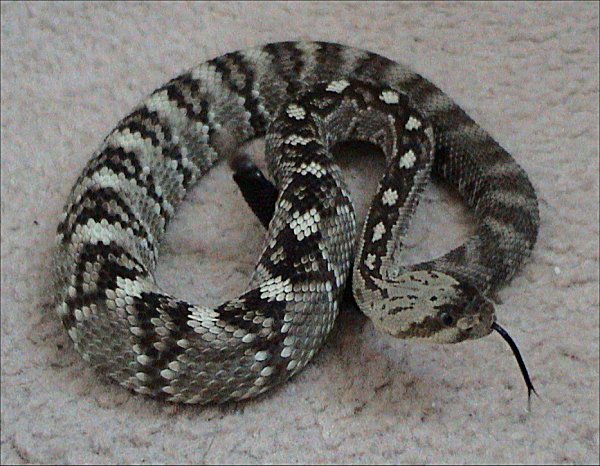
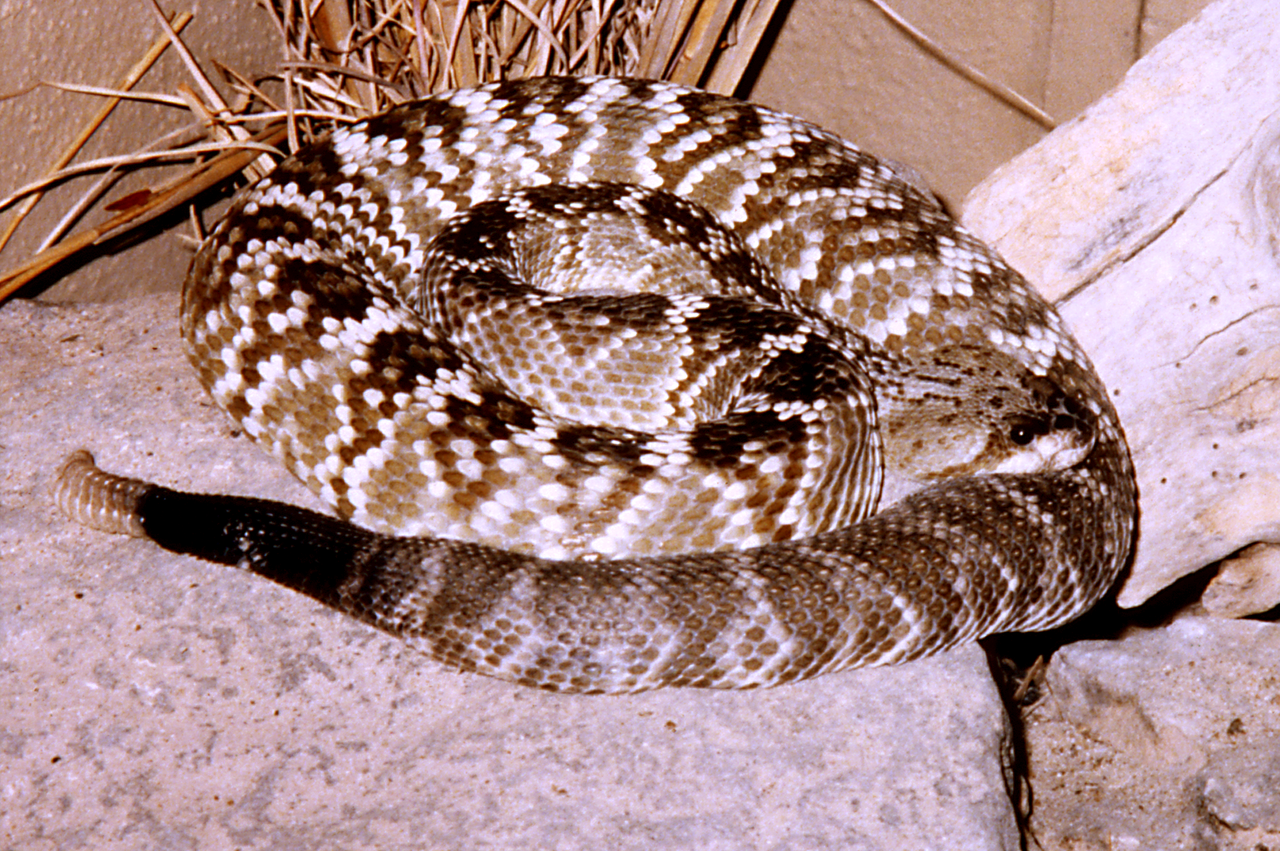
This species is a moderate-sized rattlesnake, typically under a meter in total length. Its common name refers to the distinctly darker tail or terminal tail bands that lead into the rattle. Overall coloration ranges from grayish or tan to brown, often with darker blotches or saddles along the back. Like other pit vipers, it has heat-sensitive pit organs between the eye and nostril, vertical pupils and a segmented rattle at the tip of the tail.
Habitat and range
The black-tailed rattlesnake occupies deserts, grasslands, rocky canyons, and open woodlands within its range. It is most often reported from the southwestern United States and extends southward into Mexico. Within this distribution it favors sheltered rocky areas, brushy hillsides and places where small mammals and reptiles are common.
Behavior, diet and reproduction
Generally secretive, this rattlesnake hunts small mammals, birds and lizards using ambush tactics aided by its heat-sensing pits. Activity patterns shift with temperature: it can be active by day in cooler seasons and mostly nocturnal in hot weather. Reproduction is viviparous, with females giving birth to live young rather than laying eggs.
Venom, human interactions and conservation
Like other rattlesnakes, Crotalus molossus is venomous; its bite can cause pain and medical complications, so bites require prompt medical attention and appropriate antivenom when indicated. Many people avoid conflict by respecting the snake's warning displays, including rattling and retreat behavior. Conservation status varies regionally, and habitat loss or persecution can affect local populations.
Notable distinctions and further reading
- Key field marks: dark tail, patterned dorsal blotches, pit organs, and a rattle.
- Similar species: may be confused with other regional rattlesnakes; careful attention to tail and pattern helps identification.
- Learn more: authoritative species profiles and field guides provide region-specific details and management advice; see species profile and references.
Related articles
Author
AlegsaOnline.com Black-tailed rattlesnake (Crotalus molossus) Leandro Alegsa
URL: https://en.alegsaonline.com/art/11975