
Black Swallowtail (Papilio polyxenes)
A widespread North American swallowtail butterfly, known for its black wings with yellow spots, caterpillars that eat carrot-family plants, and importance as a garden pollinator and educational species.
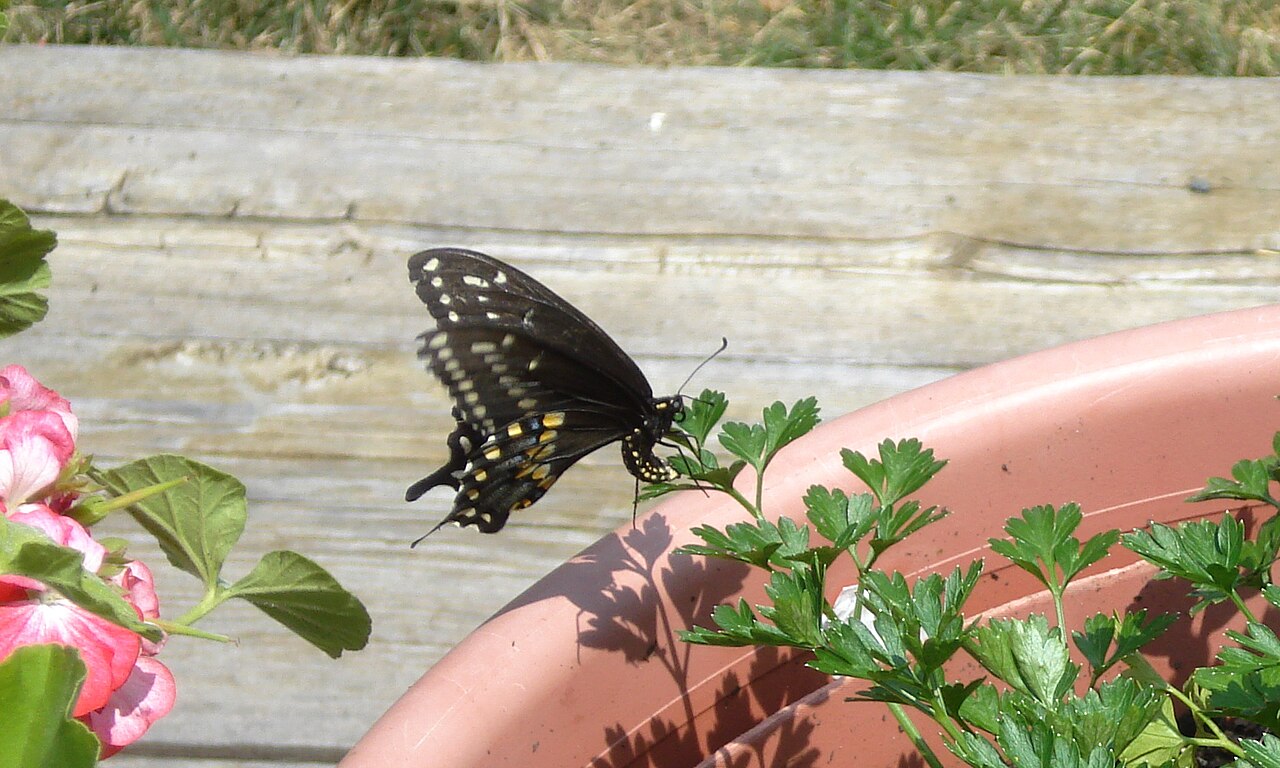
The Black Swallowtail (Papilio polyxenes) is a common North American butterfly often seen in gardens, fields and roadsides. It is sometimes called the American Swallowtail or Parsnip Swallowtail. Adults are recognizable at a glance by dark wings patterned with rows of yellow spots and a blue band on the hindwing; the hindwing also bears orange eyespots near the tail.
Image gallery
10 Images




Identification and life cycle
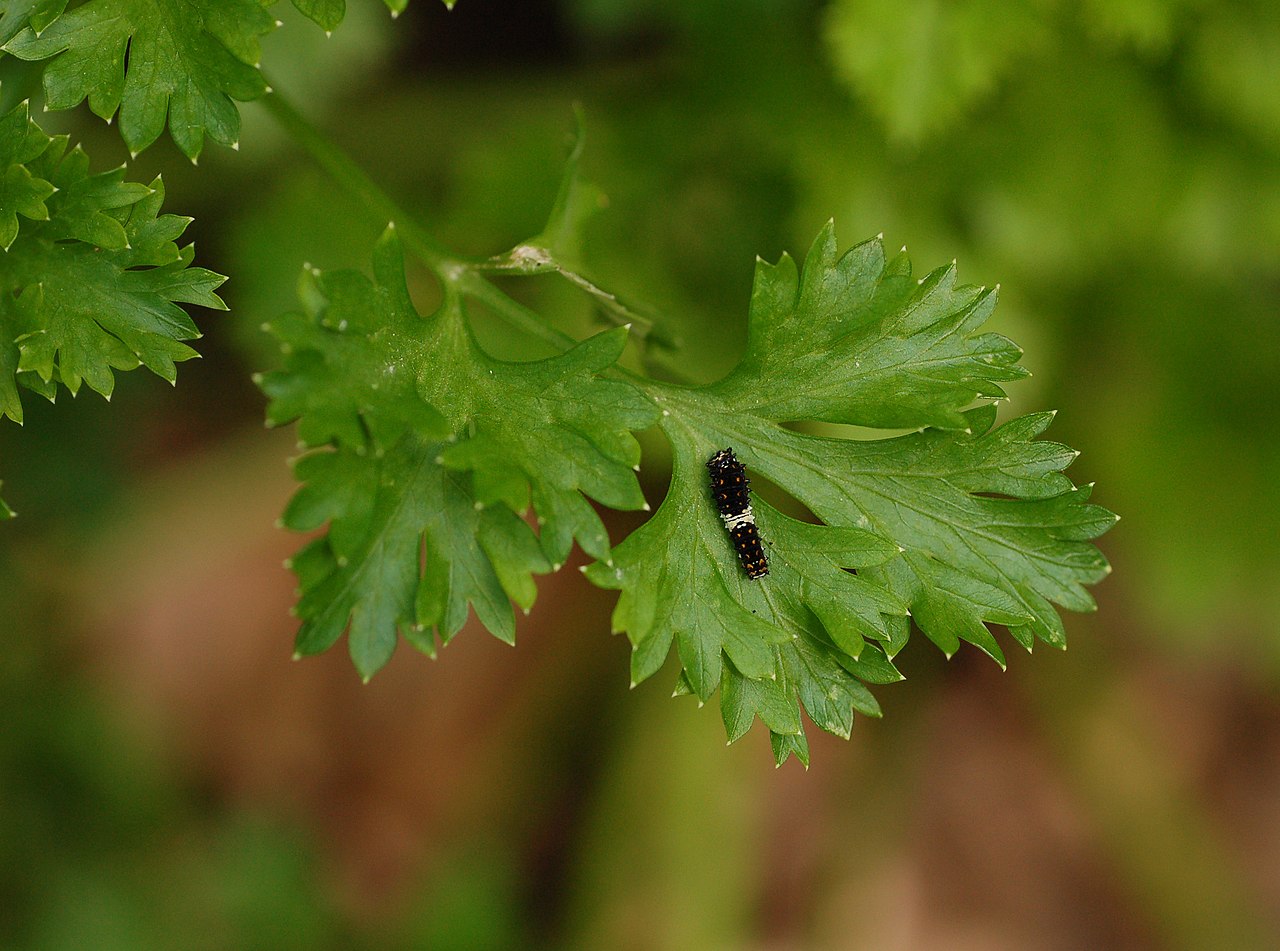
Adults have a wingspan typically under that of the largest swallowtails but remain conspicuous in flight. Males and females differ slightly in coloration, and some regional variation occurs. The life cycle follows the typical butterfly stages: egg, caterpillar (larva), chrysalis (pupa) and adult. Caterpillars are green early on, later taking on a banded appearance with eye-like markings; they display an eversible orange organ (the osmeterium) when threatened. Pupae may overwinter in colder climates.
Host plants and ecology
Caterpillars feed mainly on plants in the carrot family (Apiaceae) such as parsley, dill, carrot and parsnip, and also on rue (Rutaceae). This association explains common names like Parsnip Swallowtail. Adults visit various flowers for nectar and serve as pollinators for many garden and wildflower species. Because its larvae use common herbaceous plants, the species adapts well to human-modified landscapes.
Range, behavior and human interest
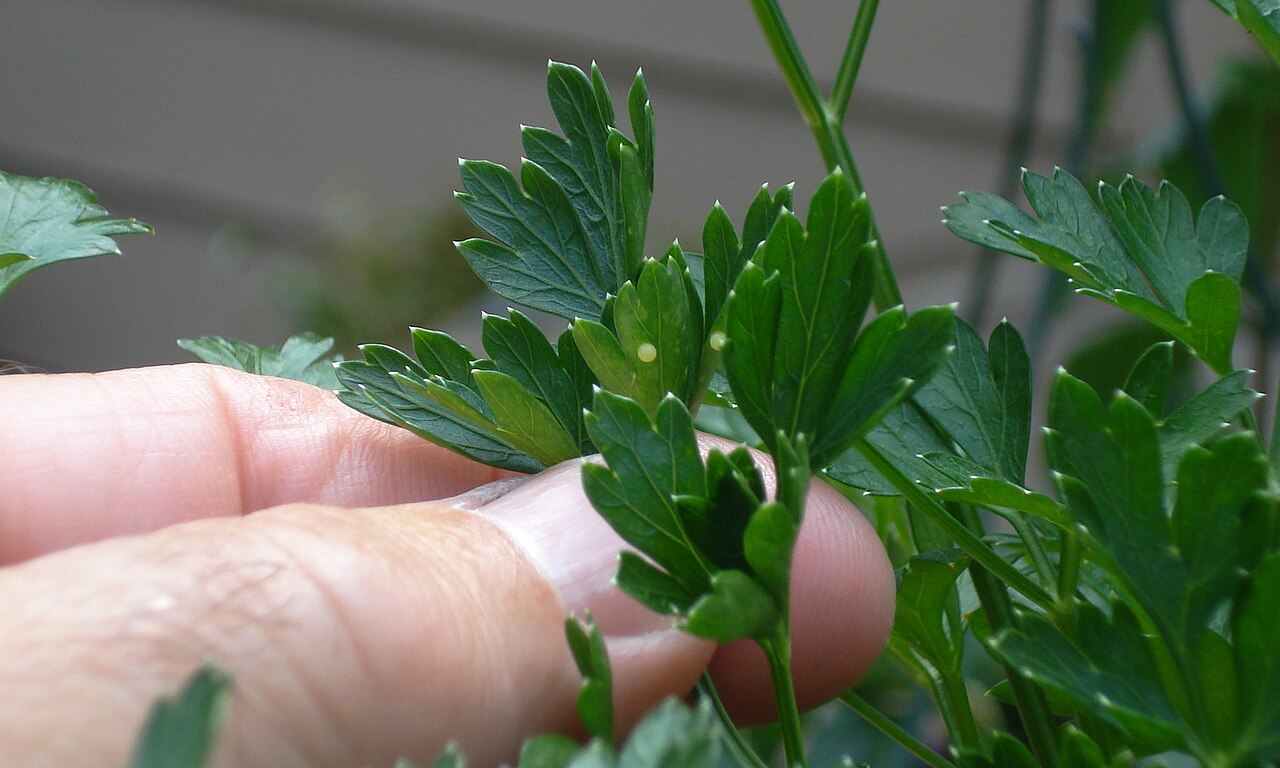
The species occurs across much of North America, from southern Canada through the continental United States and into parts of Mexico. Males patrol open areas searching for mates; females lay single eggs on the undersides of host-plant leaves. Black Swallowtails are frequently reared in classrooms and by hobbyists to teach life-cycle stages and caterpillar identification.
Notable facts and distinctions
- The scientific name and taxonomic details are cataloged under various resources; see a taxon entry for more information at species details.
- As a member of the broader group of swallowtails, it shares features with other large butterflies; for general information on butterfly biology consult an overview resource at butterfly guides.
- Variation among populations and occasional mimicry of other dark swallowtails make field identification interesting for amateurs and specialists alike.
Overall, the Black Swallowtail is an accessible and ecologically valuable species that helps link gardens and wild habitats, offering good opportunities for observation, study and pollination services.
Related articles
Author
AlegsaOnline.com Black Swallowtail (Papilio polyxenes) Leandro Alegsa
URL: https://en.alegsaonline.com/art/11972
Sources
- edis.ifas.ufl.edu : "Electronic Data Information Source"
- commons.wikimedia.org : Papilio polyxenes
- species.wikimedia.org : Papilio polyxenes