
George Antheil: American modernist composer, pianist, author and inventor
George Antheil (1900–1959) was an American composer and pianist known for noisy, mechanically inspired modernist music, film and ballet scores, writing, and a patented frequency‑hopping invention with Hedy Lamarr.
Overview
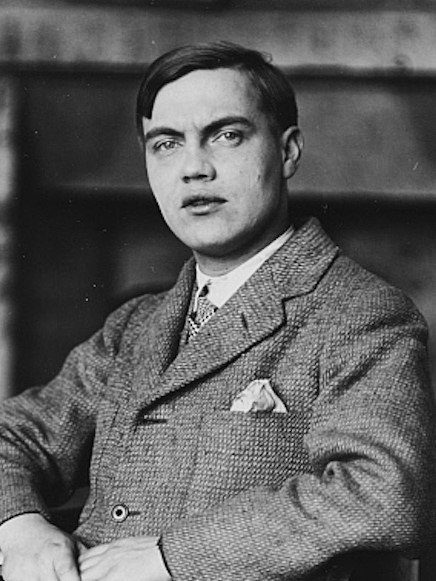
George Antheil (born July 8, 1900 in Trenton, New Jersey; died February 12, 1959 in New York City) was an American composer, pianist, author and inventor. He rose to prominence in the 1920s and 1930s for highly unconventional music that embraced noise, percussive effects and mechanical rhythms. Famous works such as Ballet Mécanique challenged listeners with dense textures and the use of machinery‑like sonorities, earning him attention in both America and Europe.
Image gallery
7 Images


Musical characteristics and key works
Antheil's musical voice combined aggressive rhythmic drive, unconventional instrumentation and theatrical gestures. His early pieces deliberately invoked industrial and machine imagery: pounding piano parts, metallic percussion and repetitive ostinatos. Over time his style shifted toward more conventional writing for stage and screen, but his early experiments remain influential as examples of musical modernism.
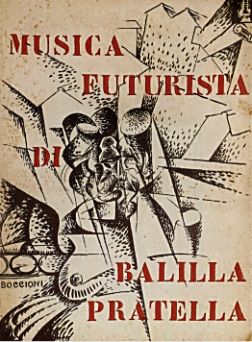
- Ballet Mécanique — a landmark early modernist work noted for its riotous energy and mechanical effects.
- Chamber and piano works — many pieces exploit percussive piano techniques and unusual ensembles.
- Film and ballet scores — from the 1930s onward he produced numerous scores for Hollywood and dance companies, adapting his approach to dramatic requirements.
Life, travels and career development
Antheil spent formative years in Europe, where the avant‑garde scene influenced his aesthetics, then returned to the United States in the 1930s. In America he cultivated a career that combined concert composition with work in popular media. He wrote music for Hollywood films (film work) and created ballets for contemporary choreographers (ballet collaborations). As his public role shifted toward applied and studio music, his personal style became at times less confrontational and more serviceable to dramatic contexts.
Other pursuits and inventions
Antheil had eclectic interests beyond composition. He wrote journalism, a mystery novel and newspaper columns on music and social topics. He also undertook scientific curiosities such as researching aspects of female endocrinology (endocrinology notes).
Perhaps the best‑known nonmusical episode of his life is the collaboration with actress and inventor Hedy Lamarr: together they developed and patented a method intended to improve radio guidance by rapidly switching frequencies to avoid jamming. The patent (patent) described a frequency‑hopping concept applied to torpedo control systems (torpedo guidance system), a technological idea that later found echoes in secure wireless communications.
Legacy and notable facts
Antheil occupies a complicated position in 20th‑century music: remembered for audacious early works that typified machine‑age modernism, and also for a later pragmatic career in film and dance. His willingness to blur boundaries between high art, popular media and technology made him a distinctive figure. Scholars and listeners revisit his catalog to understand the interplay of noise, rhythm and theatricality in early modernist composition.
Further reading and resources
For introductions to his life and works see online biographies and collections that document his compositions, recordings and unusual collaborations. Conservative overviews and specialized studies alike use his career to discuss the interaction of avant‑garde aesthetics with commercial and technical environments.
Birthplace and early years • Later life and death • Nationality • Compositional output • Piano performance • Writings • Inventions • European reception • Return in the 1930s • Hollywood scores • Ballet collaborations • Endocrinology interest • Patent record • Frequency‑hopping concept
Related articles
Author
AlegsaOnline.com George Antheil: American modernist composer, pianist, author and inventor Leandro Alegsa
URL: https://en.alegsaonline.com/art/119540