
George Arliss (1868–1946)
English stage and film actor, playwright and filmmaker, best known for his Oscar-winning portrayal of Benjamin Disraeli and for bridging Victorian theatre and early sound cinema.
Overview
George Arliss, born Augustus George Andrews (10 April 1868 – 5 February 1946), was an English actor, writer and producer whose career spanned the late 19th and early 20th centuries. He achieved wide recognition for his dignified portrayals of historical and authoritative figures and is especially remembered for his stage and screen interpretation of Benjamin Disraeli. That film role earned him an early Academy Award for Best Actor and helped establish his reputation in both Britain and the United States.
Image gallery
5 Images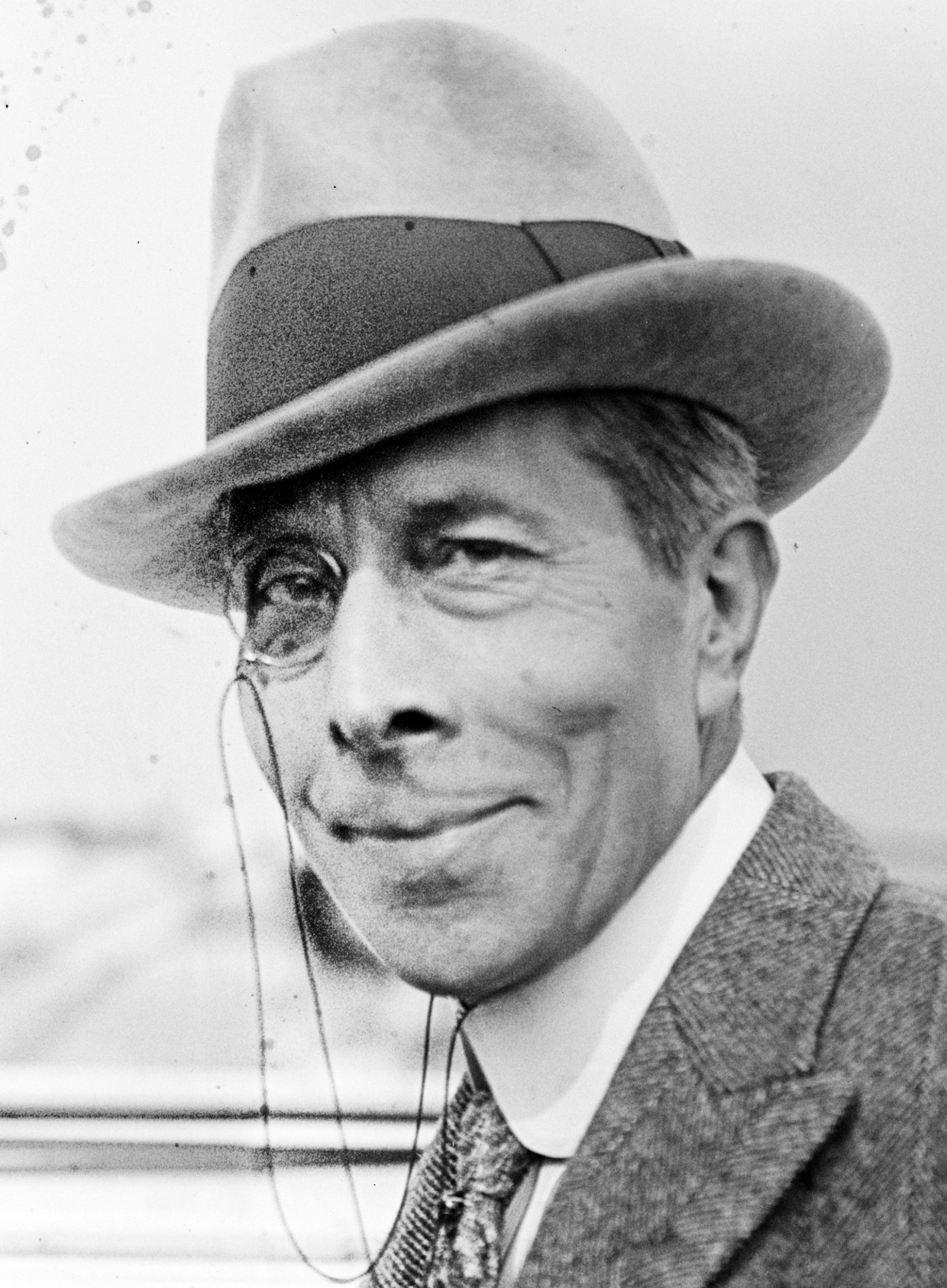


Career and notable roles
Arliss began on the theatrical circuit in the Victorian era, building a reputation as a reliable and flexible stage performer. Over decades he appeared in and sometimes adapted plays, touring extensively and performing in London’s theatres. With the arrival of sound film he successfully translated several popular stage parts to the screen, at a time when many silent-era stars failed to adapt.
His most famous screen triumph was the film adaptation of the Disraeli story, a role he had played on stage and then recreated for cinema audiences. The picture and his performance were widely praised for combining theatrical craft with the new medium’s demands, showing how veteran stage actors could flourish in talking pictures.
Style, contributions and legacy
Arliss’s technique favored understatement, clear diction and an emphasis on character psychology over broad mannerisms. He often embodied statesmen, judges and other figures of authority, lending them human warmth rather than caricature. Beyond acting, he contributed to theatre production and the writing of stage material, helping shape repertory practice in his era.
- Born: Augustus George Andrews, 1868, London.
- Best known for: Stage and film portrayal of Benjamin Disraeli.
- Awards: Received an early Academy Award recognition for Best Actor.
- Significance: Among the first British stage stars to find renewed prominence in sound cinema and to win international accolades.
Arliss remained a respected figure in theatre and film until his death in 1946. His career illustrates the transition from Victorian stage conventions to the demands of modern screen performance, and his work continues to be cited in discussions of acting in early 20th-century cinema.
Related articles
Author
AlegsaOnline.com George Arliss (1868–1946) Leandro Alegsa
URL: https://en.alegsaonline.com/art/119542