
George Balanchine: choreographer and founder of modern American ballet
George Balanchine (1904–1983), Georgian-born choreographer who shaped 20th-century ballet with neoclassical style, co-founded the School of American Ballet and the New York City Ballet, and collaborated closely with Stravinsky.
George Balanchine, born Giorgi Balanchivadze in Saint Petersburg in 1904, became one of the most influential choreographers of the 20th century. He died in New York in 1983. Of mixed heritage, his family background included a Georgian father and a Russian mother. Trained in the imperial ballet tradition, Balanchine developed a distinctive approach that altered how ballet was created and taught in the United States.
Image gallery
8 Images


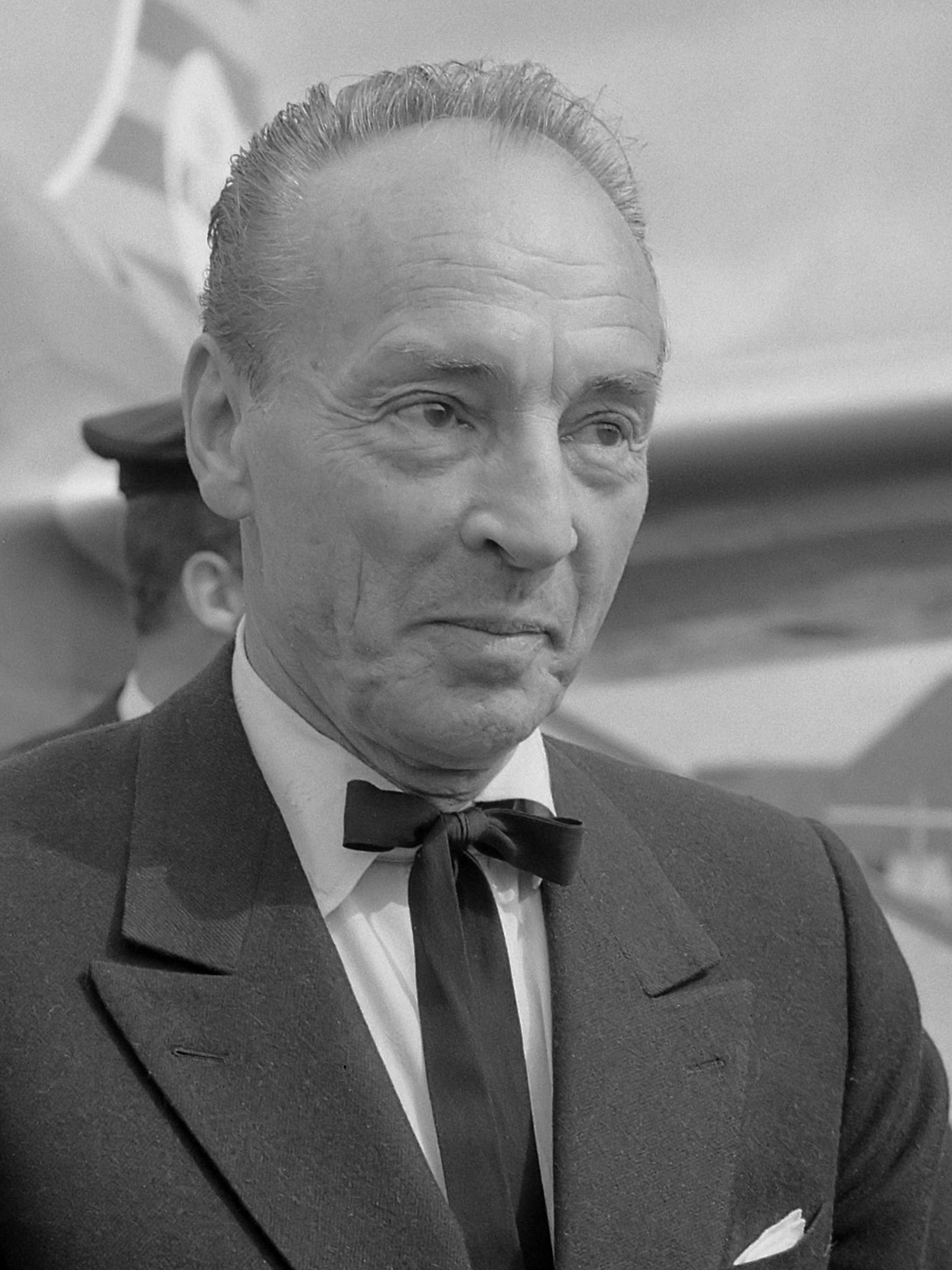


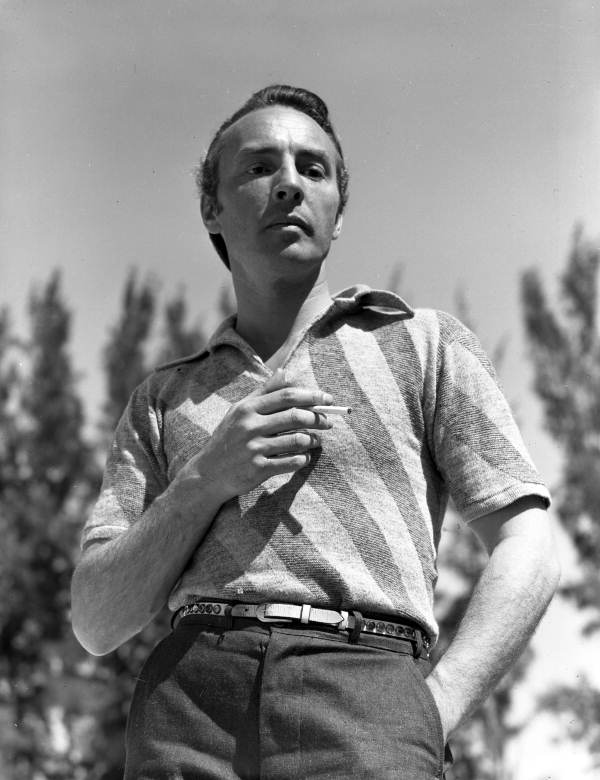
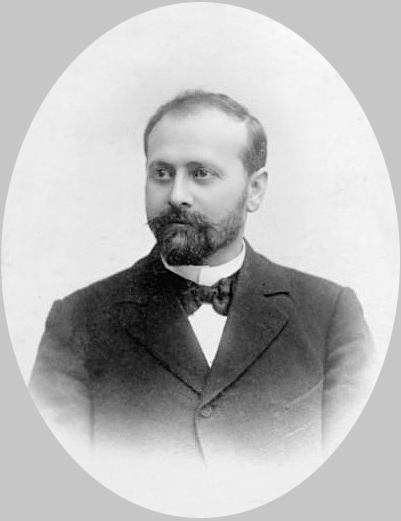
Artistic style and characteristics
Balanchine is widely associated with neoclassical ballet: choreography that reduces narrative and elaborate sets in favor of pure dance, musical clarity, and streamlined line. He emphasized musicality, speed, clarity of footwork, and the corps de ballet as a driving force rather than mere scenery. Costumes and staging were often minimal so that movement and musical structure remained central.
Career and institutions
After training with the Imperial Ballet School and early work in Europe, Balanchine joined the Ballets Russes and later emigrated to the United States. With patron Lincoln Kirstein he helped found the School of American Ballet in 1934 and, in 1948, co-founded the New York City Ballet, serving for decades as its artistic leader and balletmaster. His leadership established a distinct repertory company and a school that trained generations of American dancers.
Collaborations, repertory, and notable works
Balanchine collaborated frequently with composers, most famously Igor Stravinsky. He set dozens of works to Stravinsky’s scores and championed contemporary music for dance. His output includes many frequently performed pieces such as Apollo, Serenade, Agon, Symphony in C, The Nutcracker (his celebrated staging for the United States), and the three-part Jewels. Rather than prose plots, many of his ballets explore musical form through movement.
- Apollo – early landmark exploring classical lines and youth.
- Serenade – one of his first major American works.
- Agon – a modernist collaboration with Stravinsky.
- Jewels – three distinct sections often cited as a full-evening work.
Balanchine’s impact is visible today in the global spread of his style and the companies that continue to perform his choreography. His reforms in training and repertory helped create a distinct American ballet identity: rigorous, musically precise, and visually spare. His legacy endures through the institutions he built, the dancers he shaped, and the repertory that remains central to ballet companies worldwide.
Questions and answers
Q: Who was George Balanchine?
A: George Balanchine was a ballet dancer and choreographer, known as one of the most famous choreographers of the 20th century.
Q: Where was George Balanchine born and when?
A: George Balanchine was born in Saint Petersburg, Russia, on January 22, 1904.
Q: What was George Balanchine's ethnicity?
A: George Balanchine's father was Georgian and his mother was Russian.
Q: How many ballets did George Balanchine develop?
A: George Balanchine developed over 200 ballets, mostly in the United States.
Q: What was George Balanchine's role in the New York City Ballet?
A: George Balanchine was the co-founder and balletmaster of the New York City Ballet.
Q: What was George Balanchine's forte as a choreographer?
A: George Balanchine was known for his musicality as a choreographer.
Q: Who did George Balanchine collaborate with as a choreographer?
A: George Balanchine often collaborated with Igor Stravinsky, and 39 of his ballets were choreographed to music by Stravinsky.
Related articles
Author
AlegsaOnline.com George Balanchine: choreographer and founder of modern American ballet Leandro Alegsa
URL: https://en.alegsaonline.com/art/119543
Sources
- query.nytimes.com : "Georgia troupe joins tribute to Balanchine"
- josephhorowitz.com : "Artists in exile: how refugees from twentieth-century war and revolution transformed the American performing arts"