
Georges Pompidou — French president and architect of modernization
Georges Pompidou (1911–1974) was a French statesman who served as Prime Minister (1962–1968) and President (1969–1974). He promoted economic modernization, cultural projects and died in office of lymphoma.
Georges Jean Raymond Pompidou (5 July 1911 – 2 April 1974) was a leading French statesman and administrator whose career bridged public service, government and cultural patronage. 
Image gallery
6 Images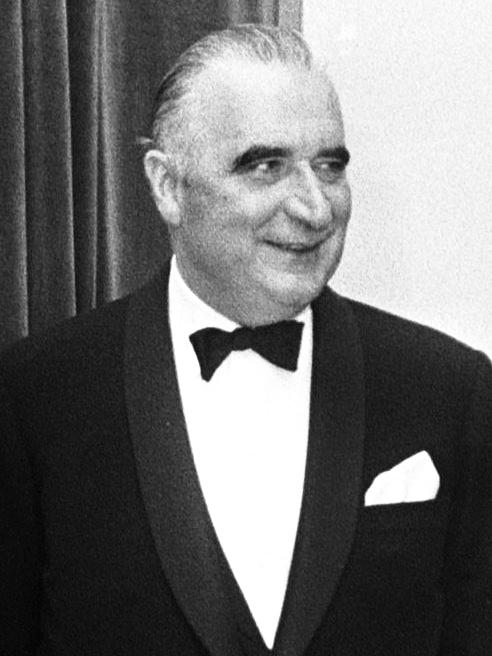
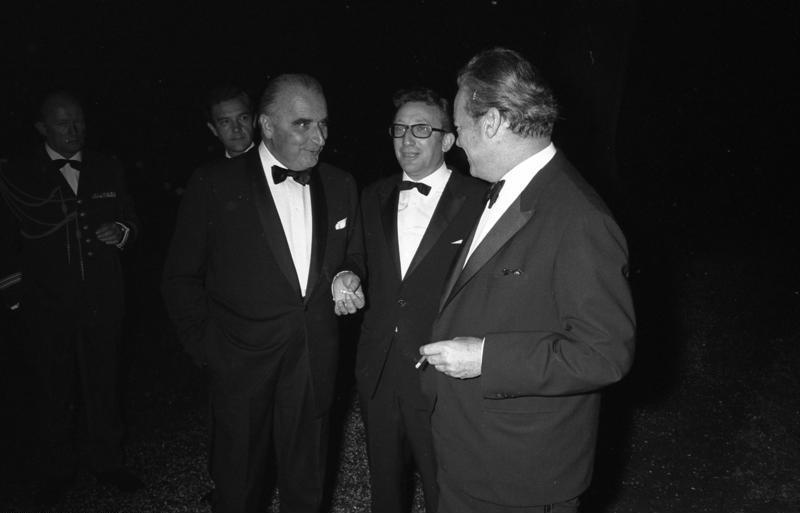

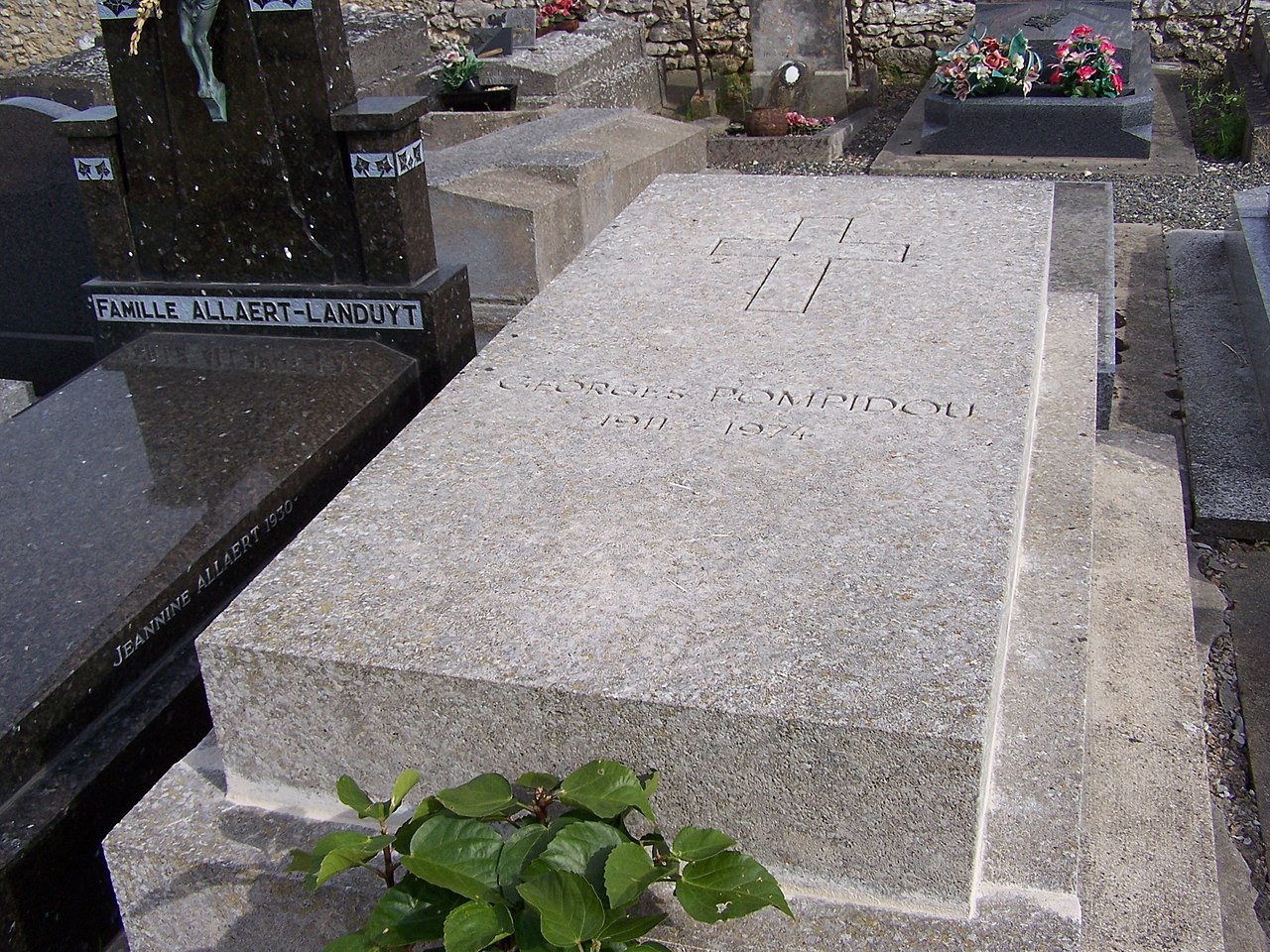


Early life and public career
Pompidou’s early life combined provincial origins with a steady advance into administration and the private sector. He served in the French armed forces during World War II, and after the war he worked in roles that mixed civil service responsibilities with managerial positions. His administrative skill and discreet style made him a trusted adviser to leading politicians of the Gaullist generation and helped secure his appointment to senior government office.
Prime ministership (1962–1968)
As Prime Minister he presided over a government that navigated economic growth, social change and the evolving international position of France. The period encompassed efforts to modernize industry and infrastructure and was also marked by social tensions that culminated in 1968. Pompidou resigned the premiership in the wake of those events but remained an influential figure in Gaullist politics and went on to seek the presidency the following year.
Presidency: modernization and culture
Pompidou’s presidency emphasized economic modernization, investment in technology and state-backed industrial policy designed to strengthen France’s global competitiveness. He favored pragmatic policies that combined public initiatives with encouragement for private enterprise. In cultural affairs he became especially associated with efforts to make modern art and culture more accessible; one prominent institution that bears his name stands as a lasting symbol of that commitment and of the wider expansion of cultural infrastructure during his tenure.
Health, death and succession
Pompidou’s health became a matter of public concern during his second term. He died in office in Paris on 2 April 1974 of lymphoma, becoming the only president of the French Fifth Republic to die while serving. His death prompted a presidential election and a period of reflection on the course of French policy in the late twentieth century.
Legacy
Historians and commentators typically credit Pompidou with combining an administrative, technocratic approach to government with a visible commitment to cultural projects. His time in office is often seen as a phase of consolidation after the de Gaulle years: stabilizing institutions, promoting industrial modernization and investing in culture and urban projects. He remains a prominent figure in accounts of postwar French political and cultural history.
Notable facts
- Served as Prime Minister (1962–1968) and President (1969–1974).
- Originated from rural France (Cantal) and rose to national leadership.
- Associated with economic modernization and state-supported industrial policy.
- Remembered as a patron of modern culture and supporter of major cultural institutions.
- Served during and after World War II and combined public service with managerial work.
- Died in office in Paris of lymphoma, the only president of the Fifth Republic to do so.
For further reading and documentary sources consult general reference and archival material; online and library resources may provide detailed chronologies, speeches and archival documents that illuminate Pompidou’s policies and personal style.
Related articles
Author
AlegsaOnline.com Georges Pompidou — French president and architect of modernization Leandro Alegsa
URL: https://en.alegsaonline.com/art/119532