
President of the French Republic
The President of the French Republic is France's head of state: a directly elected office established under the Fifth Republic with defined executive, ceremonial and constitutional powers.
The President of the French Republic serves as the head of state head of state of France. The office combines symbolic representation with concrete constitutional powers, distinct from the head of government, the prime minister. The president represents national unity, directs foreign policy in concert with the government, and is central to the functioning of France's semi-presidential system.
As of his first election, Emmanuel Macron assumed the presidency and took office on 14 May 2017, winning the second round against Marine Le Pen. He was re-elected for a second term in 2022. Occupants of the presidency may shape domestic politics, appoint governments and influence legislative agendas while also performing ceremonial duties.
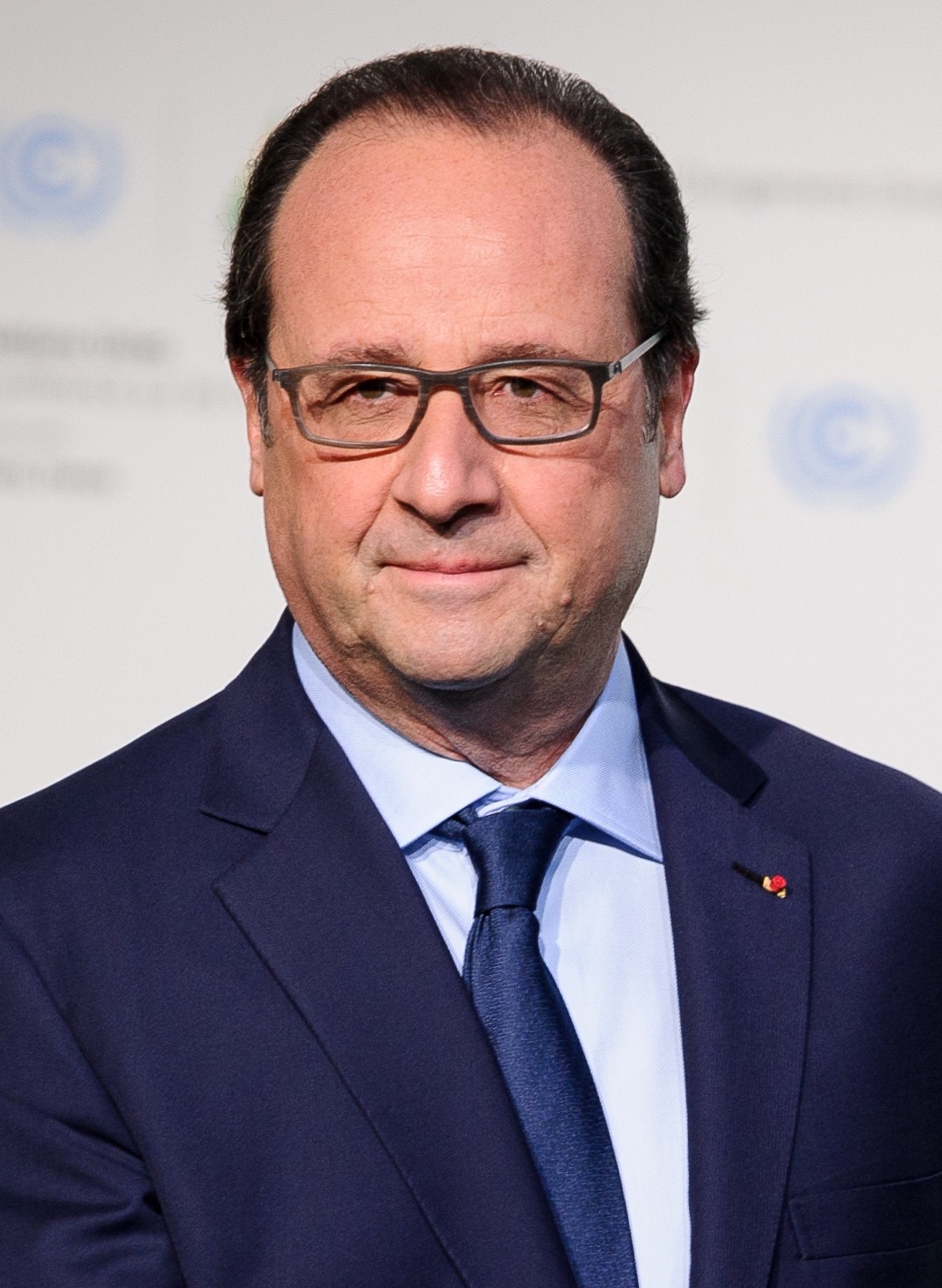
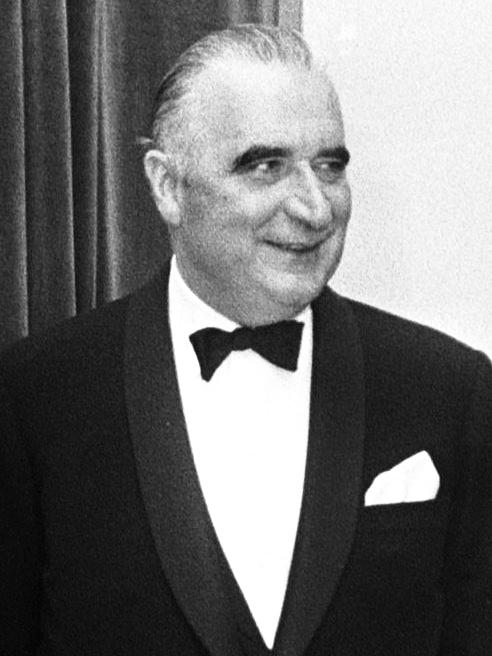
Image gallery
10 Images




Powers and duties
- Appoints the prime minister and, on the prime minister's recommendation, other members of government; presides over the council of ministers.
- Acts as commander-in-chief of the armed forces and represents France in international relations.
- May dissolve the National Assembly, call referendums, and submit certain laws or treaties to popular or constitutional review.
- Holds emergency powers in exceptional circumstances and exercises appointments to high offices and constitutional bodies.
Election, term and political dynamics
The president is elected by direct universal suffrage using a two-round system: if no candidate wins an absolute majority in the first round, the top contenders face a runoff. Since a 2000 referendum, the term lasts five years (previously seven), aligning presidential and legislative cycles more closely. The relationship between president and prime minister can vary: when they represent different majorities—known as "cohabitation"—the president's domestic role is often constrained while foreign and defense responsibilities remain prominent.
Instituted by the constitution of the Fifth Republic in 1958, the presidency was designed to provide stable leadership after a period of parliamentary instability. The Élysée Palace in Paris serves as the official residence. Over decades the office has alternated between stronger active leadership and more ceremonial styles depending on the incumbent, making it a central but adaptable element of modern French governance.
Related articles
Author
AlegsaOnline.com President of the French Republic Leandro Alegsa
URL: https://en.alegsaonline.com/art/78890
Sources
- un.int : United Nations Heads of State Protocol and Liaison Service Heads of Government - Public List Ministers For Foreign Affairs
- journaldunet.com : Président de la République : 14 910 € bruts par mois
- elysee.fr : "Charles de Gaulle (1890–1970)" · web.archive.org
- elysee.fr : "Alain Poher (1909–1996)" · web.archive.org
- elysee.fr : "Georges Pompidou (1911–1974)" · web.archive.org
- elysee.fr : "Valéry Giscard d'Estaing (1926)" · web.archive.org
- elysee.fr : "François Mitterrand (1916–1996)" · web.archive.org
- elysee.fr : "Jacques Chirac (1932)" · web.archive.org · web.archive.org