
Mycelium: structure, ecology, and practical uses
Mycelium is the vegetative network of a fungus formed from hyphae. This article explains its structure, growth, ecological roles, cultivation, and applications in food, remediation and materials.
Overview
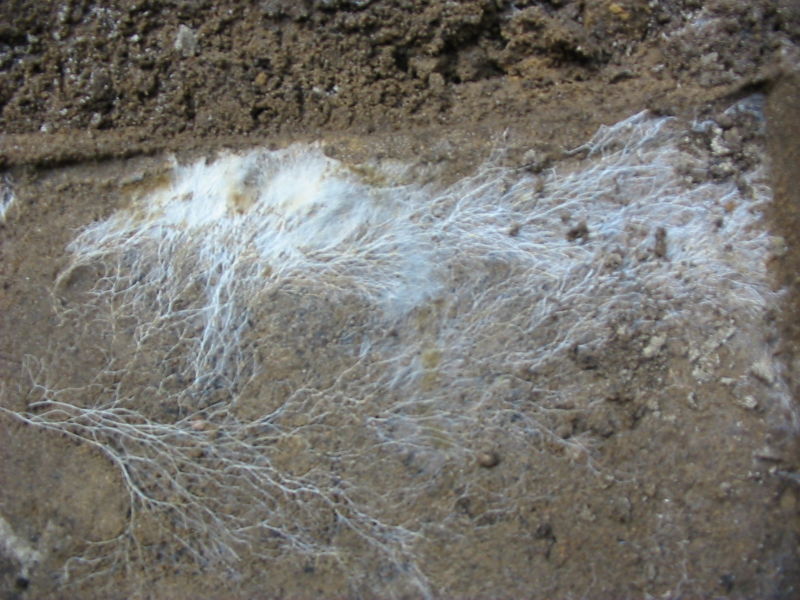
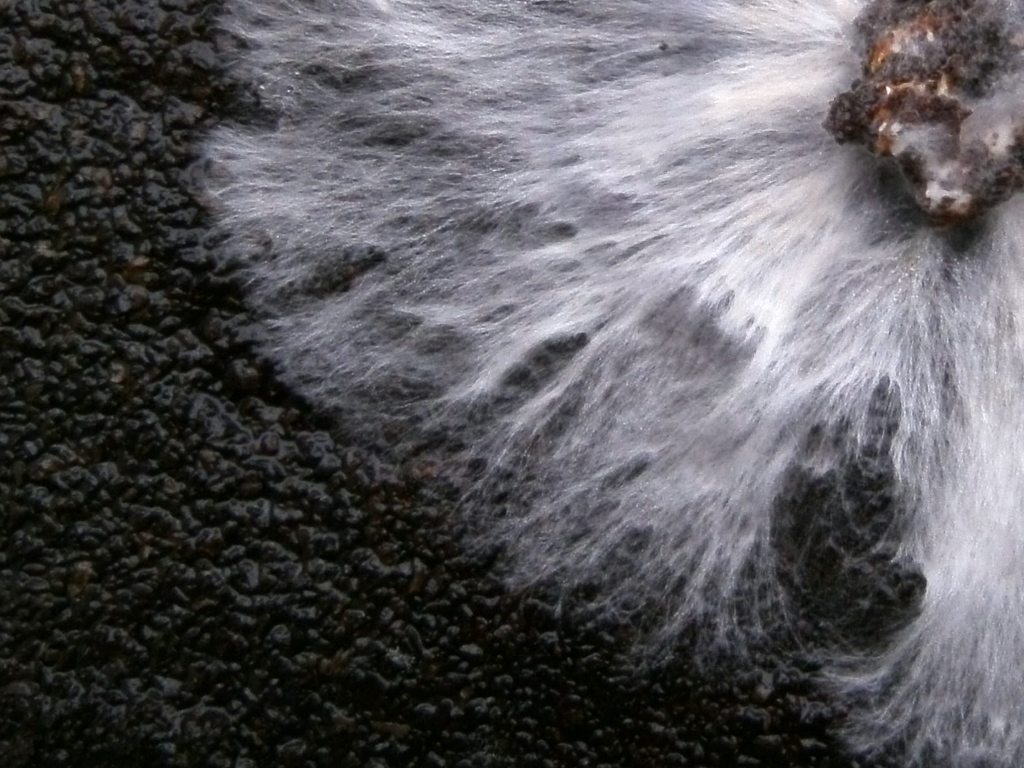
Mycelium is the thread-like, vegetative part of a fungus that typically grows within soil, wood, leaf litter or other substrates. It is the main living tissue of many fungi and functions as the organism’s feeding and exploratory network. The term can be used to describe a single individual fungal colony or the mass of hyphae produced by many species. See the general concept of a fungal organism and how the visible fruiting structures relate to the hidden mycelial body.
Image gallery
9 Images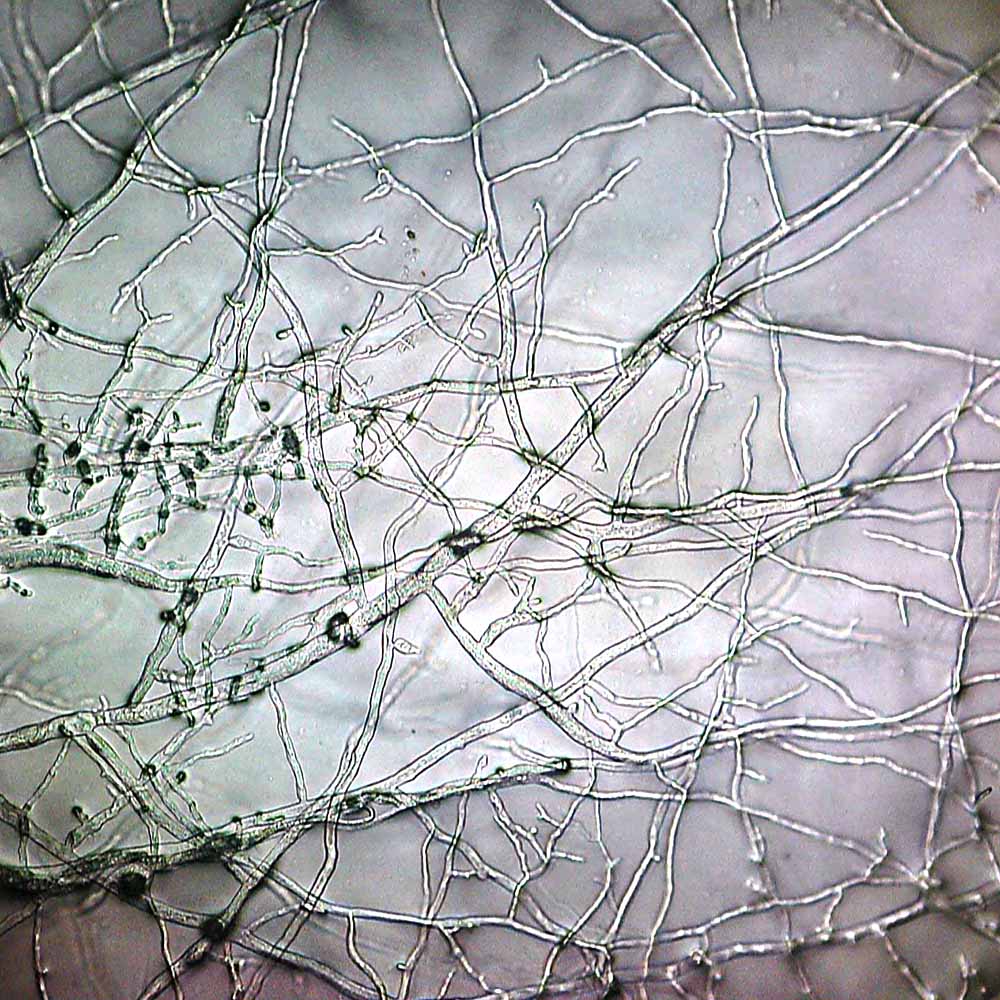



Structure and growth
Mycelium is composed of filaments called hyphae, which extend tip-first and form branching networks. Hyphae increase surface area for absorption and release enzymes that break down complex materials so the fungus can take up nutrients. Hyphal architecture varies: some species produce septate hyphae with cross-walls, while others have coenocytic or syncytic hyphae that contain many nuclei in a continuous cytoplasm. Hyphae may aggregate into denser structures (rhizomorphs) that transport water and nutrients across distances.
Ecological roles
Mycelial networks are central to terrestrial ecosystems. They decompose dead plant and animal matter, recycling carbon, nitrogen and other elements. Many fungi form mutualistic mycorrhizal associations with plant roots, extending the plant’s effective root system and exchanging mineral nutrients for sugars. Large, interconnected networks of mycelium can connect multiple plants and are sometimes described as a "wood-wide web" that influences plant communication and soil ecology.
Human uses and examples
People cultivate and harness mycelium in a variety of ways. Some foods are made from or rely on fungal mycelium (for example fermented foods and mycoprotein production). Mycelium is applied in mycoremediation to degrade pollutants and in experimental manufacturing to produce lightweight, biodegradable materials for packaging, insulation and textile substitutes. Controlled growth on agricultural wastes allows manufacturers to shape and harvest mycelial composites as sustainable alternatives to petrochemical products.
Cultivation, identification and life cycle
Cultivating mycelium involves providing an appropriate sterile or pasteurized substrate, maintaining humidity and temperature, and using spawn (starter mycelium) to colonize that substrate. Under the right conditions mycelium may form reproductive structures: the familiar above-ground mushroom or other fruiting bodies that release spores. These reproductive bodies are distinct from the bulk mycelium but arise from it; examples include gilled mushrooms, brackets and puffballs (reproductive body, often seen as a mushroom).
Notable facts and distinctions
- Mycelium can be microscopic or span large areas; some individual fungal organisms form extensive underground networks.
- Distinguish mycelium (vegetative network) from fruiting bodies (spore-producing structures).
- Rhizomorphs are root-like aggregations of hyphae specialized for long-distance transport.
Understanding mycelium clarifies how fungi influence soil fertility, plant health, carbon cycling and emerging technologies. Its hidden, filamentous form makes fungi among the most effective decomposers and recyclers in terrestrial environments, and a promising resource for sustainable materials and remediation strategies.
Related articles
Author
AlegsaOnline.com Mycelium: structure, ecology, and practical uses Leandro Alegsa
URL: https://en.alegsaonline.com/art/67946