
Edward Snowden: whistleblower behind NSA surveillance disclosures
Profile of Edward Snowden, the former U.S. intelligence contractor who disclosed classified NSA surveillance programs, his exile to Russia, legal consequences, and the public debate his revelations provoked.
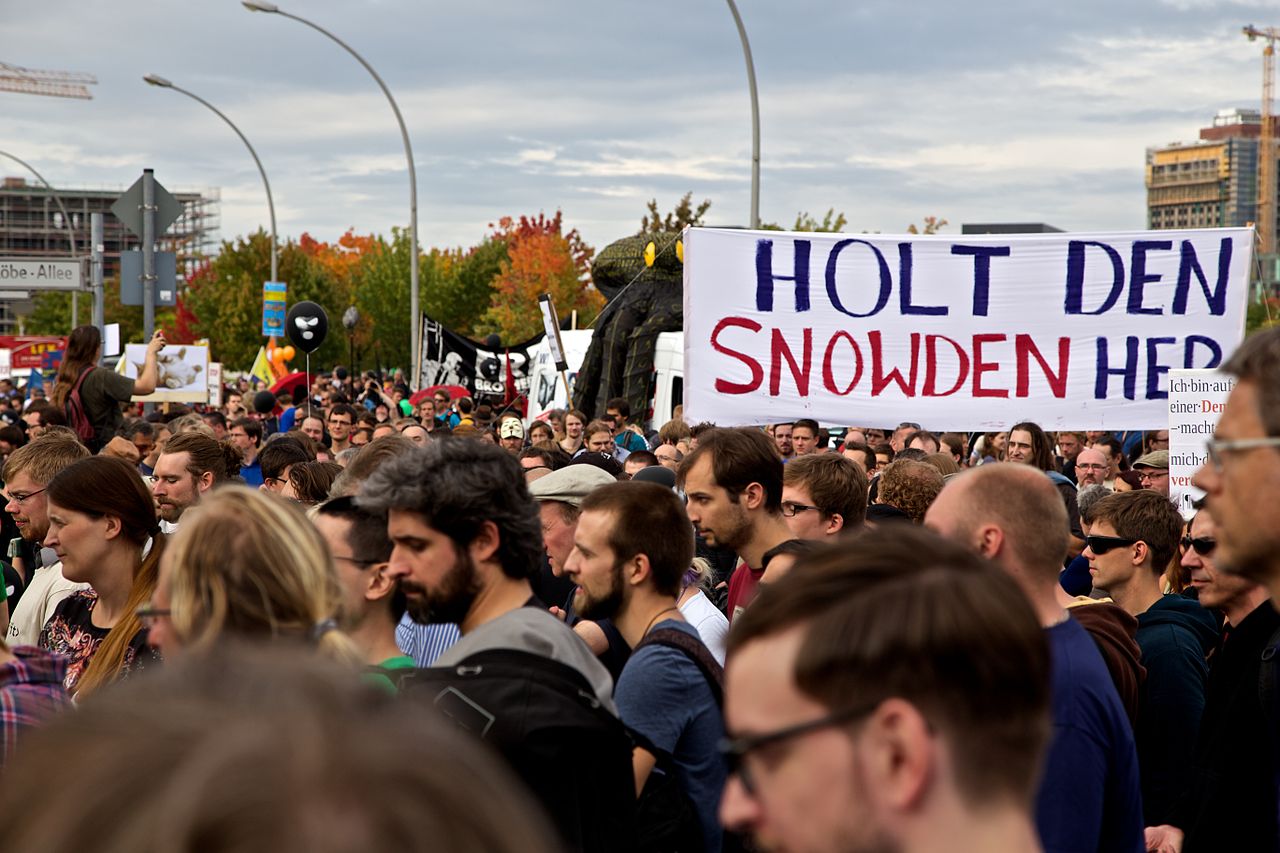
Edward Joseph Snowden (born June 21, 1983) is an American-born former intelligence contractor who became widely known after releasing classified documents about United States government surveillance programs. His disclosures in 2013 revealed extensive collection of telephone and internet metadata and drew global attention to privacy, intelligence oversight, and the balance between security and civil liberties.
Image gallery
10 Images




Background and the disclosures
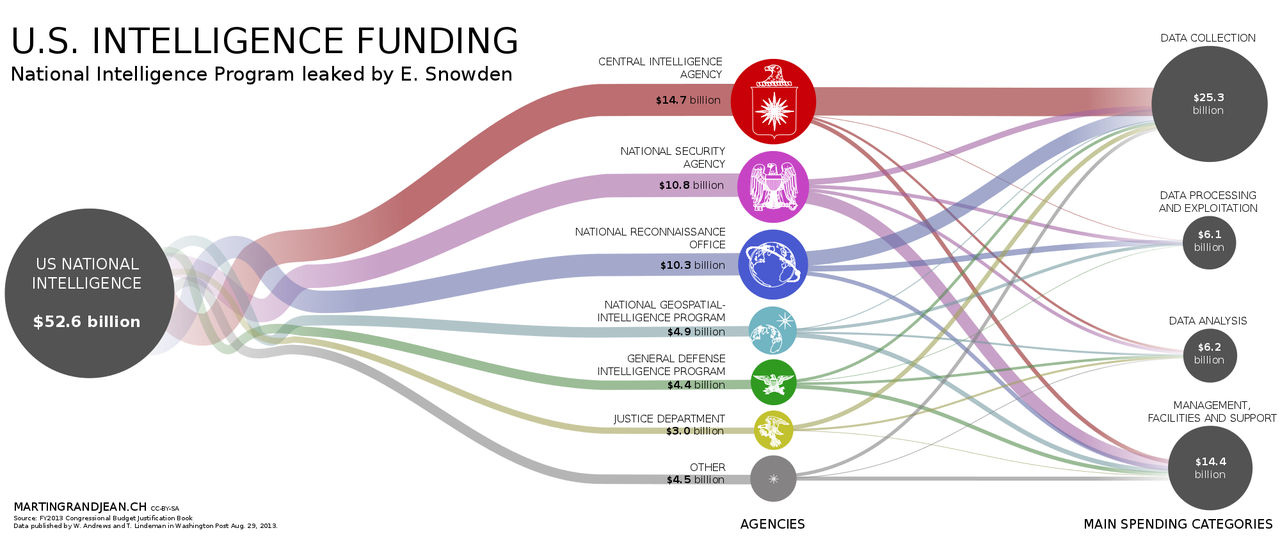
Snowden worked as a contractor for U.S. intelligence agencies, gaining access to classified systems through private firms. In 2013 he provided a large cache of documents to journalists while in Hong Kong, detailing programs run by the National Security Agency and other agencies. The material described collection of telephone call records, internet communications and other signals intelligence, and prompted debates about the scale and legality of government surveillance in the United States and elsewhere.
Key revelations and examples
- Descriptions of programs that collected bulk metadata from telephone carriers and accessed data from internet companies.
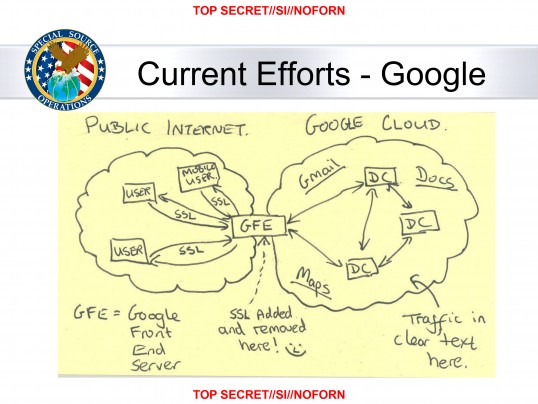
- Details suggesting the capability to collect or intercept communications from a wide range of electronic services and devices.
- Reporting raised questions about oversight, minimization procedures, and international cooperation on signals intelligence.
Flight, asylum, and legal status
After meeting journalists in Hong Kong, Snowden traveled to Moscow, where he remained while seeking protection from prosecution. The U.S. government charged him under criminal statutes, including provisions of the Espionage Act, for unauthorized disclosure of classified information. Snowden was initially granted temporary asylum and later permission to reside long term; in 2020 he received permanent residency in Russia and was subsequently reported to have obtained citizenship. His presence in Russia strained relations between Moscow and Washington and complicated efforts by U.S. authorities to secure his return.
Impact, responses, and cultural attention
The disclosures sparked a broad public discussion about surveillance, privacy, and reform of intelligence practices. Some governments and civil-society groups praised the revelations as necessary for public accountability, while others condemned the leaks as harmful to national security. Media and cultural responses included award-winning reporting and films, and outlets such as The Guardian named Snowden their Person of the Year in 2013. Popular interest in works about surveillance, for example George Orwell's Nineteen Eighty-Four by George Orwell, rose following the disclosures.
Debates, reforms, and legacy
Snowden's actions intensified debate over whistleblowing, transparency, and the legal framework governing intelligence gathering. Legislatures, oversight bodies and courts in various countries reviewed surveillance practices, and some legal changes and policy revisions followed. Supporters argue the disclosures exposed overreach and stimulated needed reform; critics maintain the unauthorized release of secrets endangered operations and relationships. Whatever one's view, Snowden's case remains a central reference point in contemporary conversations about privacy, technology and state power.
For further context on the agencies and locations referenced above, see the related sources and coverage by reputable news organizations and legal analyses. Some terms and programs discussed in the original disclosures continue to be the subject of scholarly and legal examination.
asylum | Nineteen Eighty-Four | NSA | United States | Moscow | Hong Kong | The Guardian | George Orwell
Related articles
Author
AlegsaOnline.com Edward Snowden: whistleblower behind NSA surveillance disclosures Leandro Alegsa
URL: https://en.alegsaonline.com/art/118164
Sources
- guardian.co.uk : "Edward Snowden failed in attempt to join US army's elite special forces unit"
- theguardian.com : "Edward Snowden given permission to stay in Russia for three more years"
- theguardian.com : "Edward Snowden voted Guardian person of the year 2013"
- npr.org : npr.org/sections/thetwo-way/2013/06/11/190615813/book-news-sales-of-orwell-s-1984-leap-af…