
National Security Agency
Overview of the National Security Agency, the U.S. signals intelligence and cybersecurity agency headquartered at Fort Meade, Maryland.
The National Security Agency (NSA) is a United States government intelligence agency responsible for signals intelligence and information assurance. It is part of the Department of Defense and plays a major role in collecting, analyzing, and protecting communications-related intelligence. Its headquarters are at Fort Meade in Maryland.
Image gallery
10 Images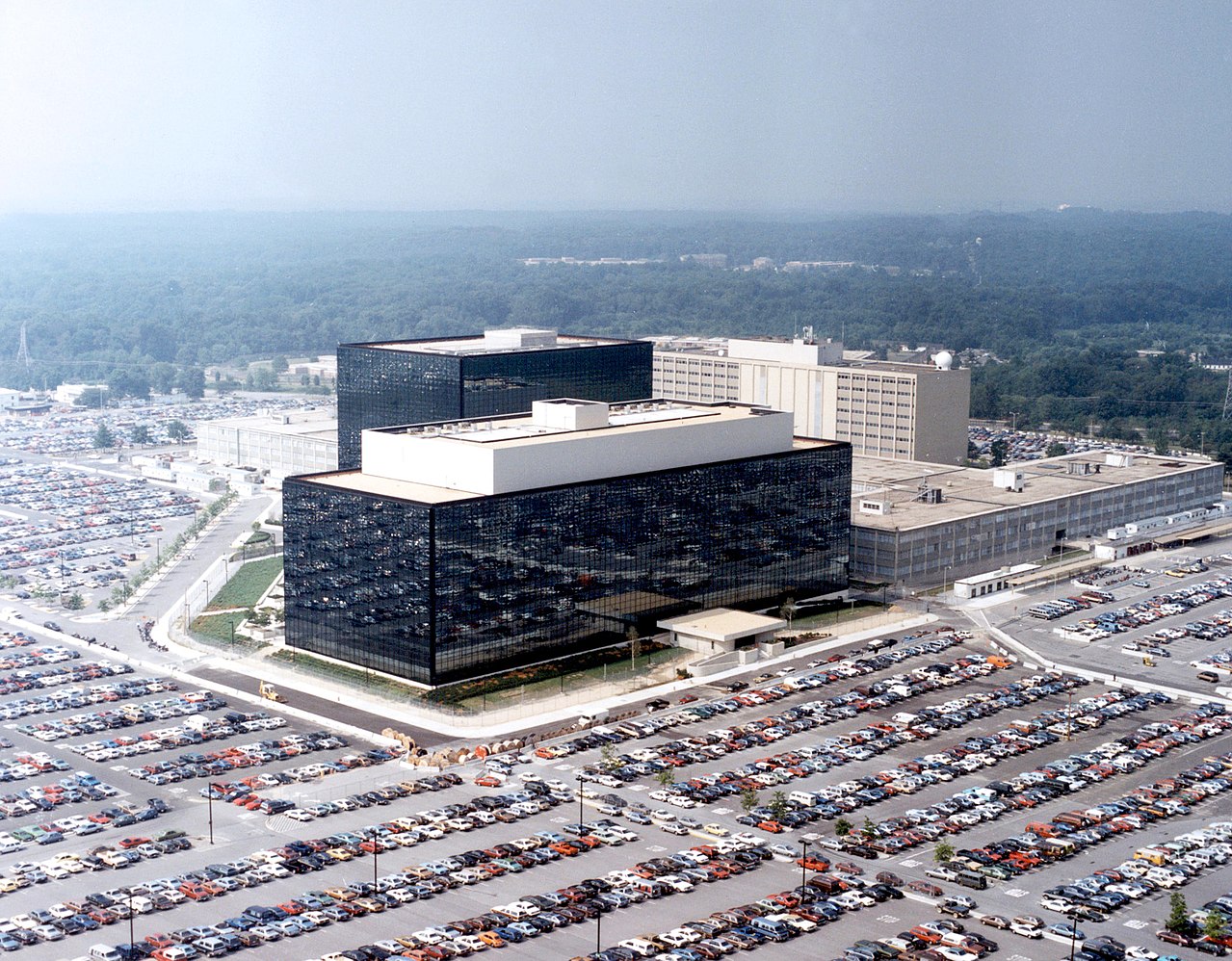




Overview
The NSA’s work is often divided into two broad missions: gathering intelligence from electronic signals and helping secure U.S. government communications and computer systems. In practical terms, that can include studying foreign communications, developing cryptographic tools, and helping defend networks against spying, sabotage, and cyberattacks. Because much of this work is secret, the agency is one of the least publicly visible parts of the U.S. intelligence community.
History
The agency was created in 1952, during the early Cold War, when the United States placed greater emphasis on electronic intelligence and codebreaking. Over time, the NSA grew alongside advances in radio, satellite, and digital communications. As modern communication shifted from telegraph and voice interception to computers, internet traffic, and encrypted messaging, the agency’s role also expanded into cybersecurity and advanced signals analysis.
Functions and responsibilities
- Signals intelligence: collecting and interpreting electronic communications and related data.
- Cryptology: developing methods to protect classified and sensitive information.
- Cyber defense: helping secure government systems against intrusion and disruption.
- Technical analysis: using specialized tools to process large volumes of digital information.
The NSA’s stated purpose is to help protect the United States and support national defense. In everyday use, that means working with military and intelligence partners, assisting in counterterrorism and counterintelligence efforts, and improving the resilience of government communications. It also collaborates with other agencies on standards and practices for secure technology.
Public debate and oversight
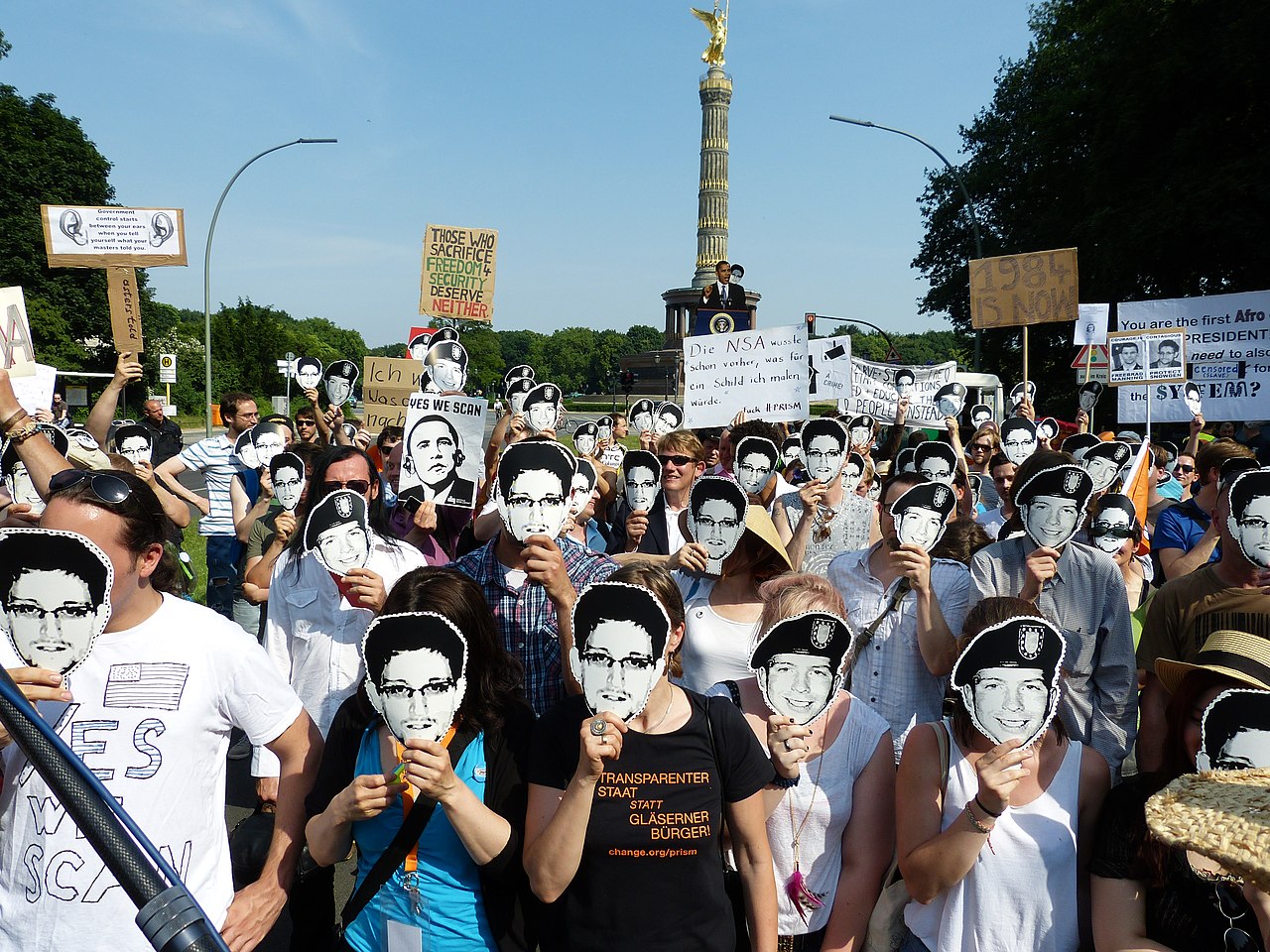
Like many intelligence agencies, the NSA has been the subject of public debate, especially regarding surveillance, privacy, and the balance between security and civil liberties. Supporters argue that its work is essential for national defense and for defending critical infrastructure in a digital age. Critics have questioned the scope of secret collection and the need for strong legal and congressional oversight. As a result, the agency remains central to discussions about modern intelligence, encryption, and the limits of government surveillance.
In broad terms, the NSA is best understood as the U.S. government’s leading agency for electronic intelligence and secure communications. Its influence is especially significant in a world where military, diplomatic, commercial, and personal activity increasingly depends on digital networks.
Questions and answers
Q: What is the National Security Agency?
A: The National Security Agency (NSA) is a government agency that was established in 1952.
Q: Where is the main office of the National Security Agency located?
A: The main office of the National Security Agency is located in Maryland.
Q: What is the goal of the National Security Agency?
A: The stated goal of the National Security Agency is to protect the people of the United States.
Q: What measures does the National Security Agency take to fulfill its goal?
A: The National Security Agency takes various measures to fulfill its goal of protecting the people of the United States. These measures include surveillance, code breaking, and cryptographic operations.
Q: How long has the National Security Agency been operating?
A: The National Security Agency has been operating since 1952.
Q: What is the role of the National Security Agency in the US government?
A: The National Security Agency is a part of the US government and its primary role is to ensure the security of the United States.
Q: Does the National Security Agency work independently or with other agencies?
A: The National Security Agency works in coordination with other government agencies to ensure the security of the United States.
Related articles
Author
AlegsaOnline.com National Security Agency Leandro Alegsa
URL: https://en.alegsaonline.com/art/68696
Sources
- fas.org : Spartans in Darkness: American SIGINT and the Indochina War, 1945–1975
- ams.org : The Agency That Came in from the Cold · webcitation.org · archive.is
- usatoday.com : "Obama: NSA surveillance programs are 'transparent'"
- gwu.edu : National Security Agency Releases History of Cold War Intelligence Activities
- guardian.co.uk : "The NSA Files"
- wikidata.org : wikidata.org/wiki/Q121194
- catalogo.bne.es : XX190162
- catalogue.bnf.fr : cb14659679w
- data.bnf.fr : (data)
- d-nb.info : 5228208-9
- isni.org : 0000 0001 2185 2745
- id.loc.gov : n79002506
- nla.gov.au : 35570078