
Edward the Martyr
King of England from 975 to 978, remembered for his short reign, violent death and later veneration as Saint Edward the Martyr. His murder reshaped succession and inspired a medieval cult.
Overview
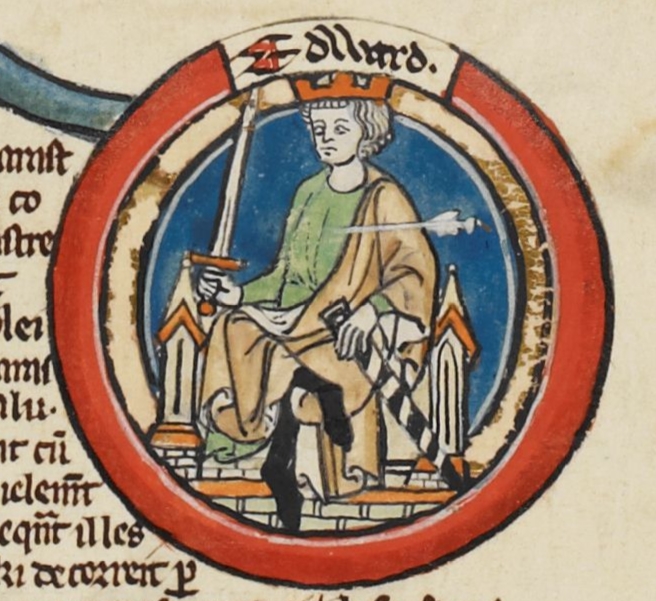
Edward the Martyr (c. 962–18 March 978) was king of the English from 975 until his death in 978. He succeeded his father, Edgar, amid competing dynastic claims and factional tensions. Edward's reign lasted about three years and ended when he was killed in circumstances that medieval chroniclers described as a politically motivated murder. Contemporary and later accounts presented him as a pious young ruler whose violent death led to his veneration.
Image gallery
5 Images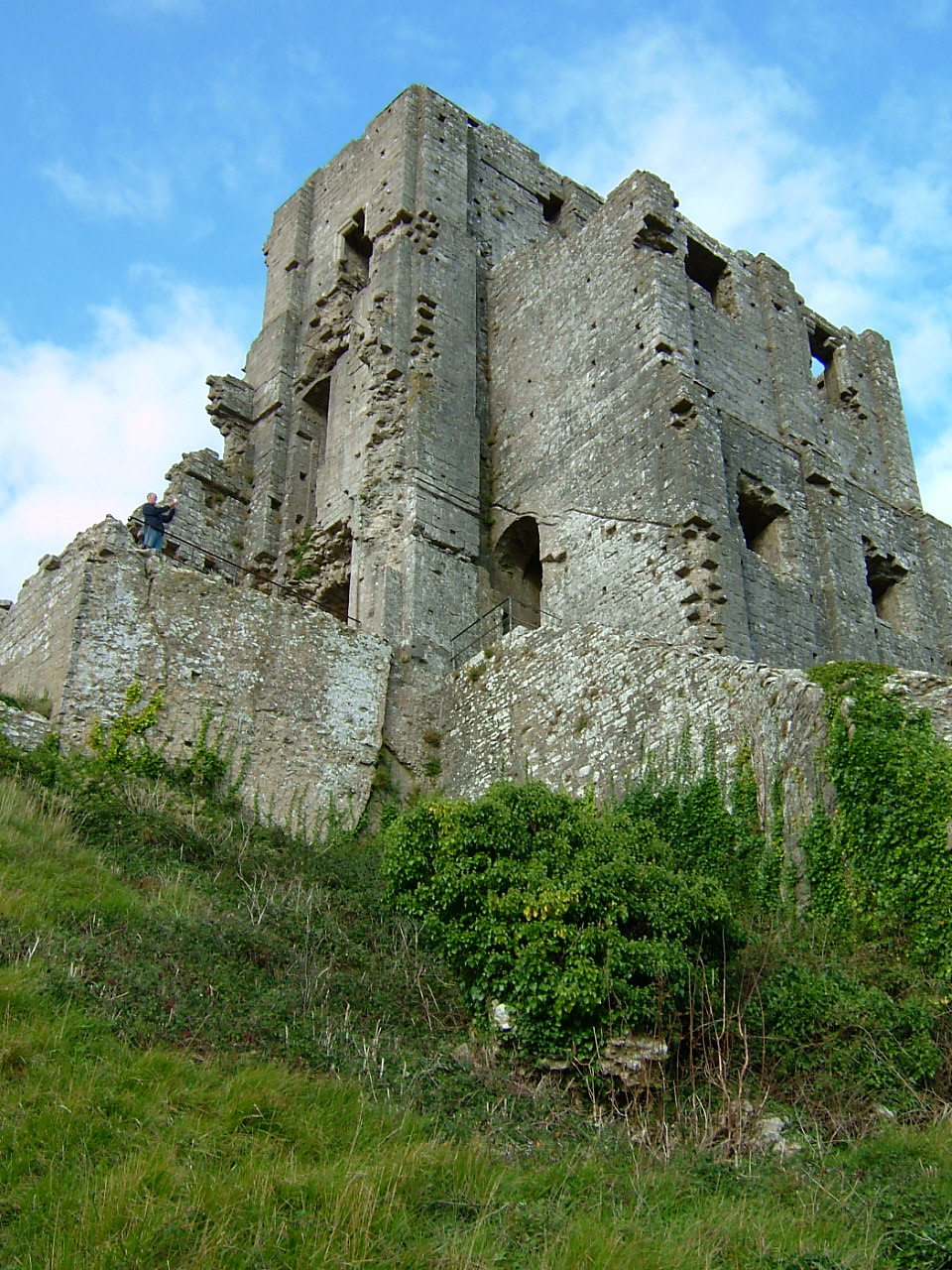

Reign and political context
Edward became king as a teenager during a period when power was divided among the monarchy, leading nobles and influential ecclesiastics. His authority was contested by rival factions that supported his younger half-brother, Æthelred. Sources suggest the court was split between supporters of differing succession claims and influential regional magnates. Edward's short rule left limited documentary traces, but his death quickly altered the balance of power and brought Æthelred to the throne.
Death and contemporary accounts
Medieval chronicles record that Edward was murdered in 978 while visiting a royal estate; the traditional location is Corfe. Stories composed in the decades after the event describe an ambush in which he was slain at the instigation, according to some accounts, of rivals who wished to advance Æthelred. Details vary between sources: some depict an assassination during a meeting, others an attack at a hunting lodge. Later writers and monastic narrators emphasized the treachery to explain and condemn the crime.
Sainthood and cult
After his death Edward was regarded by many as a holy figure and was venerated as a martyr. By the end of the tenth century a cult had arisen around his grave, and he came to be known as Saint Edward the Martyr. Relics associated with him were kept at Shaftesbury Abbey and elsewhere; miracles were claimed at his shrine and his feast day is commemorated on 18 March. The cult played a role in local devotion and in the political memory of the monarchy.
Significance and debates
Edward’s murder had immediate political consequences: it opened the way for Æthelred’s accession and has long been interpreted as a turning point in late Anglo-Saxon politics. Historians debate responsibility for the killing and caution that sources written after the event mix fact, rumor and moral judgment. The saintly image promoted by monastic writers emphasized virtue and martyrdom, while later scholarship treats the episode as part of a wider struggle over kingship and succession.
Notable facts
- Edward was a son of King Edgar but the identity of his mother is treated as uncertain in the sources.
- His short reign (975–978) is known mainly through later accounts rather than extensive contemporary records.
- He is distinct from Edward the Confessor and other English Edwards; his title "the Martyr" derives from posthumous veneration.
- For further reading about the period and principal figures see works on late 10th-century England and monastic chronicles (King of England, Christian historical sources).
Questions and answers
Q: Who was King Edward the Martyr?
A: King Edward the Martyr or Eadweard II was the King of England who followed his father Edgar in 975 but was murdered after a reign of only three years.
Q: When was King Edward the Martyr declared a saint?
A: King Edward the Martyr was declared a saint in 1001.
Q: How did King Edward the Martyr die?
A: King Edward the Martyr was murdered.
Q: Why was King Edward the Martyr declared a saint?
A: King Edward the Martyr was declared a saint because he was thought to be a very good Christian who died for his faith, and the murderers were considered "irreligious" men.
Q: How long did King Edward the Martyr reign as King of England?
A: King Edward the Martyr reigned as the King of England for only three years.
Q: Who was King Edward the Martyr's father?
A: King Edward the Martyr's father was Edgar.
Q: What term is used to describe someone who has been declared a saint after being martyred?
A: Someone who has been declared a saint after being martyred is called a Holy Martyr or a Saint Edward the Martyr.
Related articles
Author
AlegsaOnline.com Edward the Martyr Leandro Alegsa
URL: https://en.alegsaonline.com/art/118168