
Edward VIII — British king who abdicated in 1936
Edward VIII reigned briefly in 1936 and relinquished the throne to marry Wallis Simpson. His life and choices shaped a constitutional crisis, a lasting public story, and a complex legacy.
Overview
Edward Albert Christian George Andrew Patrick David (23 June 1894 – 28 May 1972) served as King of the United Kingdom and the Dominions from 20 January 1936 until his departure from the throne on 11 December 1936. His nine-month reign and subsequent decision to step down made him one of the most discussed constitutional figures of the 20th century. Born at White Lodge in London, he was the eldest son of King George V and Queen Mary and heir apparent for many years.
Image gallery
10 Images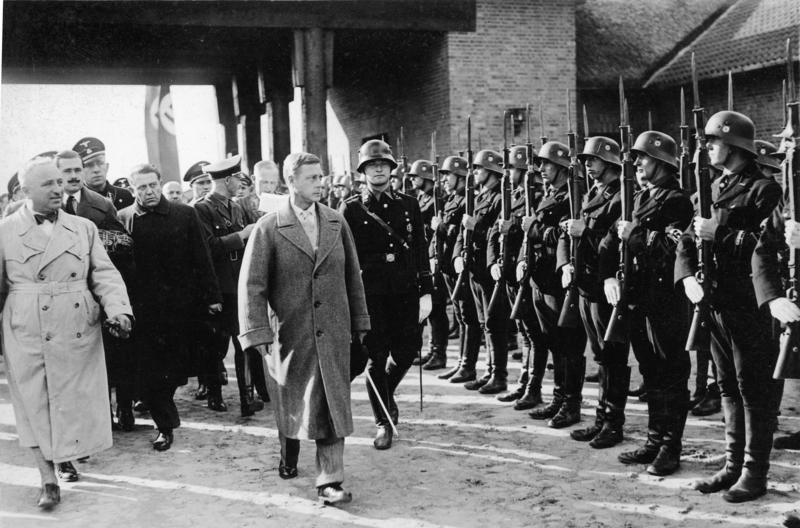





Early life and public role
Edward was educated and trained for public duties typical of a prince of his era. He undertook military service and carried out royal visits and engagements across the British Empire. As monarch he became Head of the Church of England, a role that carried political and religious implications, particularly regarding marriage and divorce for senior members of the royal family.
Accession and the crisis of 1936
When his father died in January 1936 Edward became king. His relationship with Wallis Simpson — an American socialite who had been married twice — soon confronted the crown with an unprecedented constitutional problem. The proposed plan to marry Simpson raised objections from governments and church authorities because she was a divorced woman and the sovereign is expected to uphold the Church's teachings on marriage. Faced with this opposition, in December 1936 Edward abdicated the throne, saying he could not carry out his duties without the woman he loved. The abdication was a watershed moment in modern monarchy and constitutional practice.
Immediate consequences and titles
After his decision to leave the throne, his younger brother succeeded as King George VI, and the monarchy continued under a different line of leadership. Edward was given the title His Royal Highness the Duke of Windsor. His intended wife, Wallis Simpson — often referenced by name in contemporary accounts — did not receive the style of Her Royal Highness, a distinction that reflected the sensitivity of the moment and established a precedent for royal protocol.
Later life and controversies
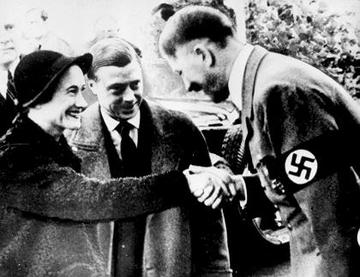
Following the abdication the Duke and his wife lived primarily abroad. During the Second World War he served in posts away from Britain, including an appointment as Governor of the Bahamas, and he spent much of his later life on the European continent. His actions and some public contacts in the 1930s prompted debate and criticism: contemporaries and historians have discussed questions about his political views and foreign connections. These matters have continued to shape historical assessments of his life.
Legacy and notable facts
Edward VIII remains a significant figure for several reasons. His choice illustrated how personal decisions can trigger constitutional change in a hereditary monarchy. The episode clarified the limits of royal freedom and reinforced the role of public opinion, government advice, and the established church in matters concerning the sovereign. Key dates and items often highlighted in summaries include:
- Birth: 23 June 1894
- Accession: 20 January 1936
- Abdication: 11 December 1936 (abdicated)
- Marriage to Wallis Simpson: widely covered and controversial (Wallis Simpson, an American woman)
- Later title: Duke of Windsor; his wife was not granted Her Royal Highness
For further context on constitutional practice, social attitudes toward divorce, and contemporary accounts of the events, readers can consult historical summaries and primary documents that examine the months of 1936 and the years that followed. The abdication continues to be taught as a pivotal example of how personal life and public duty can collide in a modern monarchy. Additional resources: unity and state, birth locations such as White Lodge, and broader biographies of the period provide more detail for readers interested in a deeper study.
Related topics and primary-source collections can be found through archival guides and official royal records; for a concise modern narrative of Edward's reign and resignation, contemporary accounts remain widely available in books and curated online repositories.
Questions and answers
Q: Who was Edward VIII?
A: Edward VIII was King of the United Kingdom from 20 January 1936 until 11 December 1936.
Q: Where was Edward VIII born?
A: Edward VIII was born in White Lodge, Richmond Park in London.
Q: Why did Edward VIII abdicate from the throne?
A: Edward VIII abdicated from the throne because he wanted to marry the American woman Wallis Simpson, who had been married twice before.
Q: What was Edward VIII's title after his abdication?
A: After his abdication, Edward VIII was known as His Royal Highness the Duke of Windsor.
Q: What was Edward VIII's position in the Church of England?
A: As King, Edward VIII was Head of the Church of England.
Q: Why did the Church of England not support divorce?
A: The Church of England did not support divorce.
Q: Was Wallis Simpson allowed to be called "Her Royal Highness"?
A: No, Wallis Simpson was not allowed to be called "Her Royal Highness".
Related articles
Author
AlegsaOnline.com Edward VIII — British king who abdicated in 1936 Leandro Alegsa
URL: https://en.alegsaonline.com/art/118171
Sources
- thegazette.co.uk : "No. 34349"
- thegazette.co.uk : "No. 34350"
- thegazette.co.uk : "No. 34402"
- heraldica.org : Letters Patent, 28 May 1898