
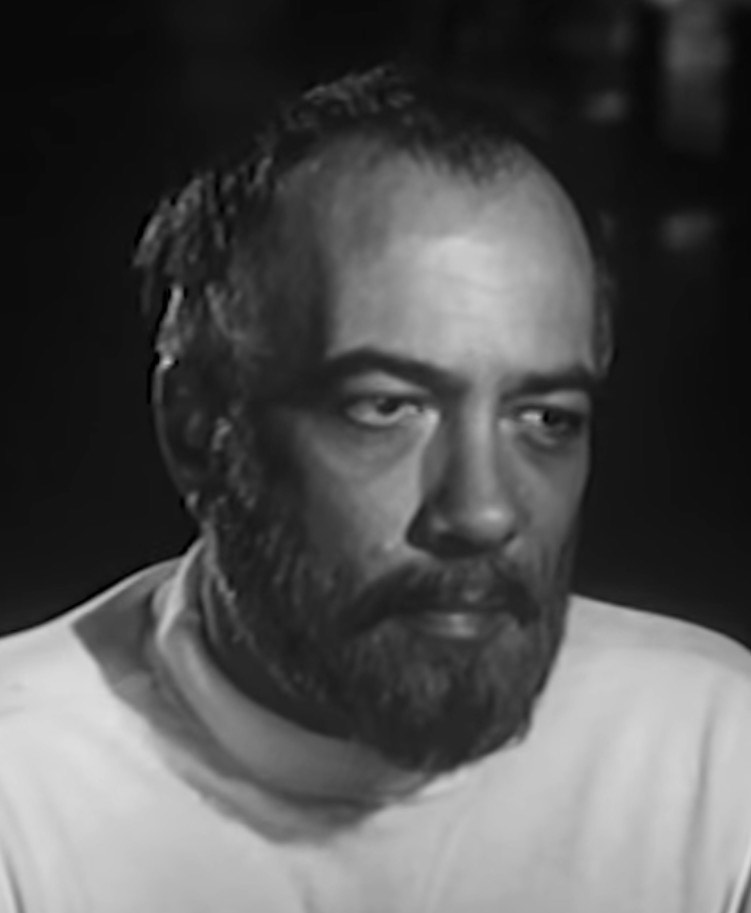
Edward Platt (1916–1974), American actor
Edward C. Platt was an American character actor best known as “The Chief” on the 1960s television comedy Get Smart. He worked on stage, in films and TV and died in 1974 amid disputed circumstances.
Overview
Edward Cuthbert Platt was an American character actor whose deep voice and dignified presence made him a memorable figure in mid-20th century entertainment. He is most widely remembered for portraying the authoritative but often bemused head of CONTROL—"The Chief"—on the television sitcom Get Smart, which aired from 1965 to 1970. Across stage, screen and television he played a steady mixture of professional, official and occasionally eccentric characters.
Image gallery
3 Images

Early life and education
Platt was born on February 14, 1916, on Staten Island, in New York City. His early interests included music and performance, and he pursued formal training in the arts. He studied at the Juilliard School of Music and later attended Princeton University, combining musical training with a broader liberal education that helped prepare him for a variety of theatrical roles.
Career and screen persona
Platt began as a performer on stage and gradually moved into film and television. He became known for a resonant baritone and a calm, measured delivery that lent itself to playing officials, judges, doctors and military types, often with an undercurrent of dry humor. His role as the Chief on Get Smart remains his signature contribution: the show paired his sober authority against Don Adams’s slapstick-control-agent Maxwell Smart, creating a popular comic contrast that defined the series’ tone.
Personal life and death
Platt married Suzanne Belcher in 1954; the couple had four children and remained married until his death. He died on March 19, 1974, in Santa Monica, California. Contemporary reports listed the cause as a heart attack, but later information from family members indicated that he had struggled with serious mental health and financial problems. One of his sons later stated that Platt had taken his own life, an account that has been reported alongside references to prolonged depression and previous attempts. Some colleagues, including Don Adams, are said to have been aware of the personal troubles Platt faced; press coverage at the time varied in how it described the circumstances, and discussions of his death are often presented cautiously.
Legacy and notable facts
Although much of Platt’s broader filmography is less prominent than his television work, his presence as a dignified authority figure left a lasting impression on audiences. The role of the Chief remains a frequent reference point when discussing television spoofs of espionage and the chemistry between straight-faced authority figures and hapless heroes. Platt’s career illustrates how character actors contribute essential texture and credibility to both comedy and drama.
Summary and context
Edward Platt’s career spanned stage, film and television at a time when television comedy was exploring new satirical territory. Best known for a single, defining role, he nonetheless maintained a steady professional presence and is remembered for the warmth and restraint he brought to supporting parts. Discussions of his life and death often note the contrast between his composed public on-screen image and the private difficulties he reportedly faced near the end of his life, including issues linked to depression and, as reported by family, suicide. Further reading about his work and the era of television in which he worked can be found through film and television histories and biographies of collaborators such as Don Adams.
- Best known role: The Chief on Get Smart
- Education: Juilliard School of Music; Princeton University
- Birthplace: Staten Island, New York City
- Spouse: Suzanne Belcher
Related articles
Author
AlegsaOnline.com Edward Platt (1916–1974), American actor Leandro Alegsa
URL: https://en.alegsaonline.com/art/118160
Sources
- wouldyoubelieve.com : "Edward Platt"
- news.google.com : "Actor Edward Platt Is Dead Of Heart Attack"