
Edward Smith-Stanley, 14th Earl of Derby
British statesman (1799–1869), Conservative leader and three-time prime minister who headed short minority governments and presided over the 1867 Reform Act.
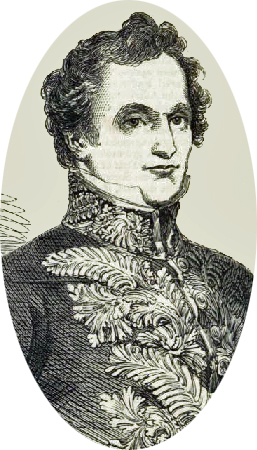
Edward George Geoffrey Smith‑Stanley, 14th Earl of Derby (29 March 1799 – 23 October 1869) was a leading English aristocrat and Conservative statesman of the mid‑Victorian era. He served as Prime Minister of the United Kingdom on three separate occasions and led the Conservative Party for more than two decades. His administrations were generally short-lived but played a role in the evolution of modern party politics and in parliamentary reform.
Image gallery
7 Images




Political career and ministries
Derby became leader of the Conservative Party after the split over the Corn Laws in the 1840s and remained its principal figure until his death. He formed three minority governments: briefly in 1852, again from 1858 to 1859, and finally from 1866 to 1868. Although each ministry lasted less than two years, the combined time in office was just over four years. His governments depended on careful negotiation with other parliamentary groups and on the active collaboration of key colleagues.
Policies, style and achievements
Derby is remembered as a cautious, pragmatic Conservative who preferred compromise to confrontation. His last administration is most notable for the passage of the Reform Act of 1867, enacted by the Conservative government and which significantly expanded the urban electorate. While other ministers—most prominently Benjamin Disraeli—played decisive roles inside Parliament, Derby provided the leadership and stability of an aristocratic party chief. His ministries also dealt with routine administration of the empire and attempted moderate reforms rather than radical change.
As a leader he emphasized party unity and discipline at a time when British politics was becoming more organized and partisan. He often led from the House of Lords, while principal rivals and deputies carried the active daily work in the Commons.
Background, titles and family
Born into the prominent Stanley family, Derby held the earldom that gave him both social standing and regional influence in Lancashire. The family seat at Knowsley and long aristocratic connections shaped his outlook and political base. He was a member of the Privy Council and a Knight of the Garter, among the period honours typically held by senior statesmen.
Legacy and notable facts
- One of only a small number of British prime ministers to serve three separate terms in the 19th century.
- Regarded as the longest‑serving leader of the Conservative Party to date, in terms of continuous leadership spanning decades.
- His governments were influential in the transition toward more mass politics through extension of the franchise and through strengthening party organization.
Derby remains a significant figure in Victorian political history: an aristocratic leader who adapted to changing parliamentary practices and under whose administrations important steps toward wider electoral participation were taken.
Further reading
Related articles
Author
AlegsaOnline.com Edward Smith-Stanley, 14th Earl of Derby Leandro Alegsa
URL: https://en.alegsaonline.com/art/118163