
Dorothy Dandridge
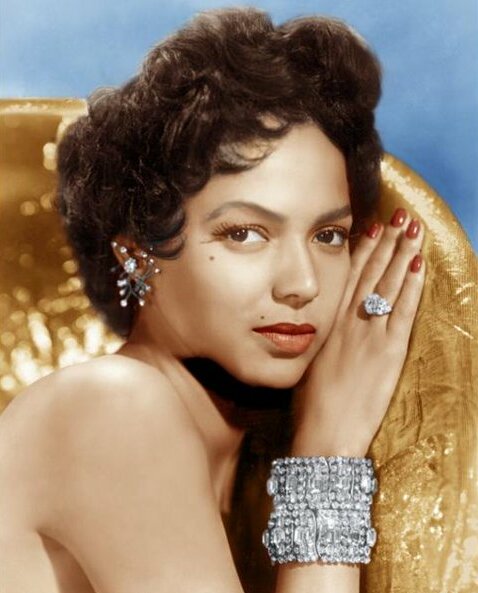
Dorothy Dandridge (1922–1965) was an American singer, dancer and actress. She was the first Black woman nominated for the Academy Award for Best Actress, recognized for her role in Carmen Jones.
Dorothy Jean Dandridge (November 9, 1922 – September 8, 1965) was an American performer whose work as a singer, dancer and film actress made her one of the most visible Black entertainers of the 1940s and 1950s. In 1955 she became the first Black actress nominated for an Academy Award — receiving a Best Actress nomination for her lead in the musical drama Carmen Jones — an achievement that remains a major milestone in Hollywood history.
Image gallery
4 Images


Early life and beginnings
Dandridge was born in Cleveland, Ohio, and grew up performing with her family in vaudeville-style acts before moving to Los Angeles as a teenager. She trained as a singer and dancer and gained experience in nightclubs, touring shows and small film roles — building the skills that would later lead to major studio attention.
Career highlights
Her breakthrough came with the 1954 adaptation of the stage musical that cast her opposite a large ensemble and brought her critical acclaim. Dandridge combined a strong singing voice with on-screen charisma, which helped her cross over from nightclub stages to mainstream movie audiences. She appeared in several Hollywood features and musicals during the 1950s and continued to perform in concert venues and television.
- Notable screen work included her Oscar-nominated lead in Carmen Jones.
- She also worked in other studio films and toured as a nightclub headliner.
Significance and challenges
Her 1955 nomination for Best Actress marked the first time a Black woman was recognized in that top acting category, underscoring both her talent and the limited opportunities available at the time. Despite critical success, Dandridge faced the period’s racial barriers, typecasting, and the pressures of working within a studio system that offered few complex roles to Black performers.
Later years and legacy
Dandridge’s later life was marked by financial and personal difficulties. She died on September 8, 1965, in Los Angeles, California. Accounts of her passing note an overdose; subsequent biographies and films have examined the stresses she faced in Hollywood and her struggles with health and finances. Over time her artistic achievements and pioneering role in American film have been increasingly recognized in studies of cinema and African American cultural history.
Her influence is evident in later generations of Black actresses who followed her into leading film roles. For further reading on her life, career and cultural impact, see dedicated biographies and film histories that place her work in the wider context of mid-20th-century entertainment and civil rights-era cultural change.
Related articles
Author
AlegsaOnline.com Dorothy Dandridge Leandro Alegsa
URL: https://en.alegsaonline.com/art/117892
Sources
- books.google.com : "Dorothy Dandridge Hollywood's Tragic Enigma"