
Dorothy Gish: Silent-era actress, comedian, and stage performer
Dorothy Gish (1898–1968) was an American silent-film actress and stage performer known for her lively comic screen persona, collaborations with D. W. Griffith, and a long career in film and theater.
Overview
Dorothy Gish was an American actress whose career began in the earliest years of narrative cinema and who later maintained a presence on stage and radio. Born in Dayton, Ohio Dayton in 1898, she became widely known as one half of the Gish sisters, alongside her older sister Lillian Gish. While Lillian was often associated with solemn and dramatic roles, Dorothy developed a comic, quicksilver screen persona that made her a popular and versatile performer in silent shorts and features.
Image gallery
10 Images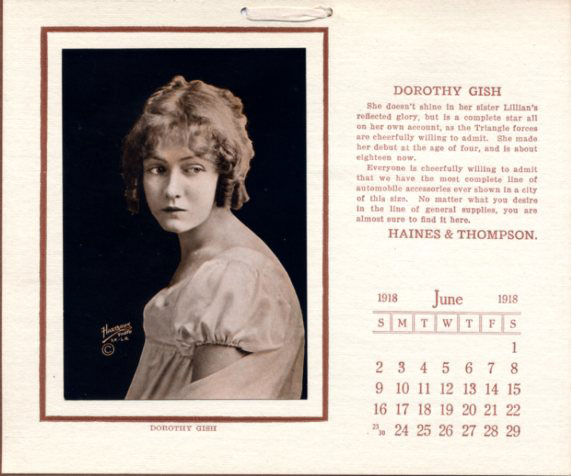


Early life and entry into performing
After their father left the family, Dorothy, her sister Lillian and their mother entered professional performing to support themselves. The sisters gained early stage experience and, in 1912, were introduced to director D. W. Griffith by fellow actress Mary Pickford. Both sisters joined Griffith's company at Biograph Studios, and Dorothy made her first screen appearance in Griffith's two-reeler An Unseen Enemy (1912). This period marked the beginning of a prolific period in which Dorothy appeared in more than one hundred shorts and feature films, often cast in roles that highlighted her comic timing and charm.
Silent film career and screen persona
Dorothy's screen persona was marked by vivacity, rapid-fire expression, and a capacity for physical comedy that contrasted with her sister's introspective style. She worked extensively with Griffith and other directors throughout the 1910s and 1920s, contributing to the evolving grammar of American narrative cinema. One of the better-known collaborations with her sister was the historical drama Orphans of the Storm (1921), in which both sisters appeared. While not every film from her early career survives, period reviews and trade reporting indicate she was a reliable box-office draw and a skilled comedic performer.
Stage, radio and later screen work
As the film industry changed with the arrival of sound, Dorothy — like many silent-era actors — shifted more frequently to the stage and other media. She appeared in Broadway plays and touring theatrical productions, and also worked in radio. Throughout the 1930s and later decades she returned occasionally to screen projects, although her public identity remained closely linked to her silent-era achievements. Theater records and contemporary accounts document her sustained activity on stage and in touring companies.
Style and critical reception
Critics and historians have observed that Dorothy's acting emphasized timing, expressive facial work, and a light, sprightly energy that translated well in short comedies and supporting parts in features. Her contributions are often discussed in the context of early film acting styles and the emergence of comic character types on screen, and she is recognized as part of a generation that helped establish film as a popular entertainment form.
Personal life
Dorothy married actor James Rennie in 1920. The marriage ended in divorce in 1935; contemporary accounts and records note the dissolution divorce record. She did not remarry and divided her time between the United States and Europe during later years. Her life offstage drew occasional interest because she and Lillian were prominent public figures whose careers spanned several entertainment media.
Death and legacy
Dorothy Gish died in 1968 of bronchial pneumonia, an illness reported in contemporary notices of her death cause of death. She passed away in Rapallo, Liguria Rapallo, Italy Italy, and was later interred in the chapel of Saint Bartholomew's Episcopal Church in New York City Saint Bartholomew's. Her sister Lillian was later laid to rest beside her.
Honors and remembrance
Dorothy Gish has been commemorated for her contributions to early motion pictures with a star on the Hollywood Walk of Fame at 6385 Hollywood Blvd., which recognizes her achievements in motion pictures Walk of Fame. Film historians continue to cite Dorothy and Lillian together when discussing silent-era performance, sibling collaborations, and the transition of stage actors to film.
Selected credits and further resources
- An Unseen Enemy (1912) — screen debut.
- Orphans of the Storm (1921) — notable Griffith feature featuring both Gish sisters Orphans of the Storm.
- Numerous Biograph shorts and later features during the 1910s and 1920s.
For more detailed information consult specialized film histories, archival collections, and biographies that document early American cinema and the careers of performers associated with D. W. Griffith. Contemporary trade journals and theater records are also useful primary sources for tracing Dorothy Gish's stage and screen work Mary Pickford connection and the broader context of her career Griffith era. General reference sources on silent film and performer biographies may provide further reading and filmographies actress profile.
- First screen appearance: An Unseen Enemy (1912).
- Best known for: comic roles, stage work, and collaborations with D. W. Griffith.
- Final resting place: Saint Bartholomew's Episcopal Church, New York Saint Bartholomew's.
Related articles
Author
AlegsaOnline.com Dorothy Gish: Silent-era actress, comedian, and stage performer Leandro Alegsa
URL: https://en.alegsaonline.com/art/117893