
David Axelrod: Political Strategist, White House Advisor, and Commentator
American political consultant and analyst best known as Barack Obama’s chief strategist, later a White House senior advisor, CNN commentator, University of Chicago Institute of Politics director, and international adviser.
Overview
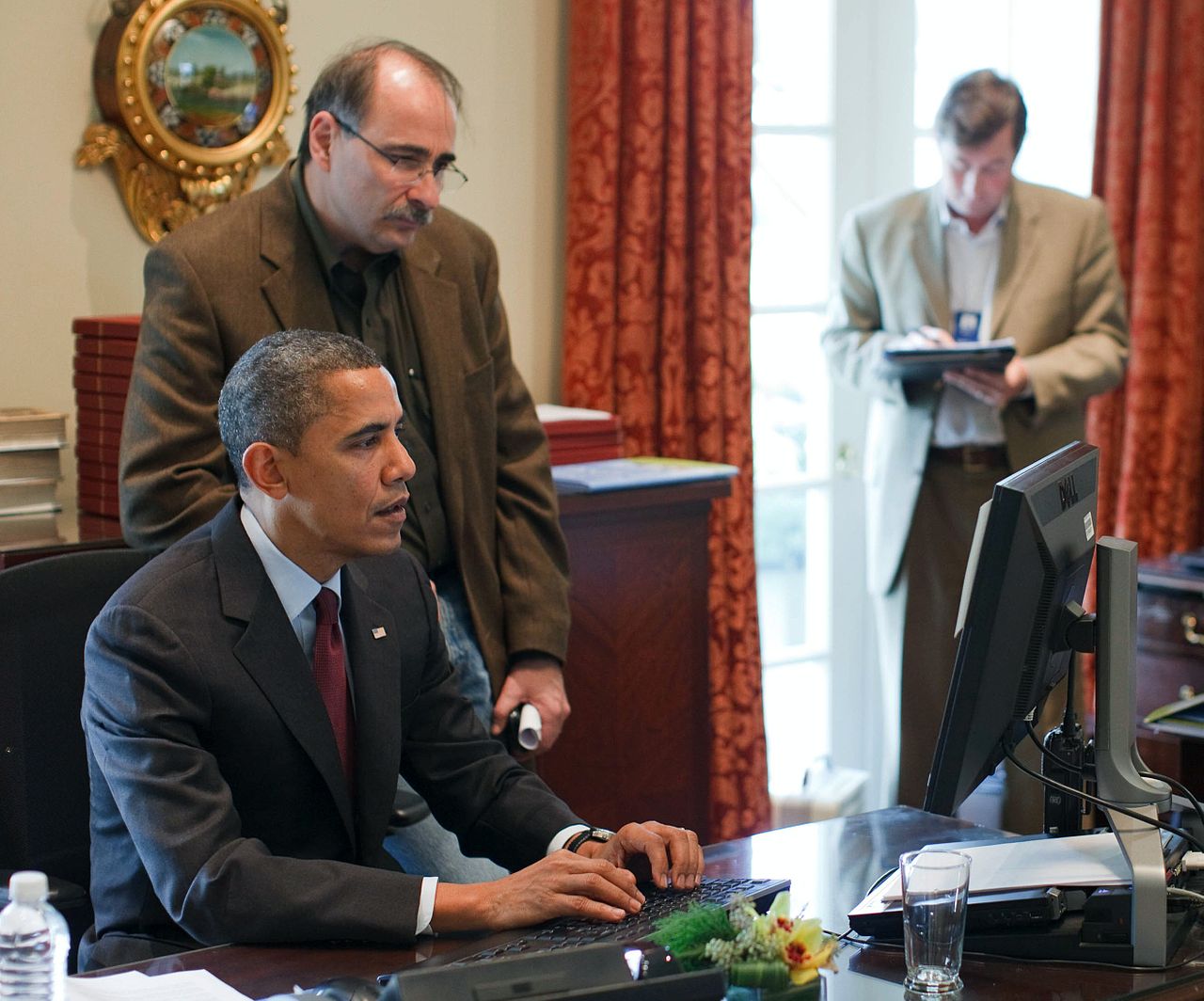
David M. Axelrod (born February 22, 1955) is an American political consultant, strategist and media analyst. He rose to national prominence as the chief strategist for Barack Obama’s presidential campaigns and served in the Obama White House as a senior advisor. After leaving formal government service he returned to political consulting, took on roles in media commentary and civic education, and provided strategic advice to parties and candidates both in the United States and abroad. He is frequently described as a campaign architect who blends message discipline, narrative-building and modern communications techniques. Political operative
Image gallery
5 Images


Early career and development
Axelrod began his professional life in Chicago-area journalism and local politics. He worked as a reporter and later moved into campaign consulting, building a reputation for managing municipal and state-level races. He founded a political consulting firm that produced strategy and advertising for Democratic candidates and organizations. Over time his work expanded from local contests to statewide and eventually national campaigns, where he became known for crafting candidate-centered narratives that highlighted biography and theme.
Role in the Obama campaigns
Axelrod helped design the communications and overall message for Barack Obama’s 2008 campaign, emphasizing themes of change, hope and a personal story that connected with a broad coalition of voters. As chief strategist, he worked alongside campaign managers, field organizers and communications teams to coordinate advertising, speeches and earned-media strategies. After Obama’s first term began, Axelrod joined the White House as a senior advisor and later left to rejoin the 2012 re-election effort as senior strategist. His approach combined disciplined messaging, attention to candidate persona and coordination across traditional and digital platforms.
White House, media and later activity
Following his White House service, Axelrod pursued multiple public roles. He accepted a post directing the Institute of Politics at the University of Chicago, a nonpartisan organization designed to engage students and citizens with public affairs. He also became a prominent television commentator and contributor, serving as a senior political analyst for CNN. In 2014 he was reported to have advised the British Labour Party in the lead-up to the 2015 general election, working with party leader Ed Miliband as a senior strategic adviser.
Approach, influence and reception
Axelrod’s organizing principles emphasize narrative coherence, media readiness and the centrality of a candidate’s personal story. He is credited with helping to modernize Democratic campaign communication in the 2000s by integrating message, media and emerging digital outreach, often collaborating with field directors and data teams. Observers have lauded his storytelling skill and criticized some tactics as aggressive or negative; as with many high-profile strategists, assessments of his legacy often reflect partisan perspectives.
Notable works and legacy
- Campaign leadership on major presidential efforts, shaping national messaging strategies.
- Post-government roles in media, academia and international advising, connecting practice and civic education.
- Author and commentator who has reflected publicly on campaign practice and political communication.
Across journalism, campaigning, government service and commentary, Axelrod remains a widely recognized figure in contemporary American political life—valued for strategic instincts and narrative craft, and studied as an exemplar of modern campaign communication.
Related articles
Author
AlegsaOnline.com David Axelrod: Political Strategist, White House Advisor, and Commentator Leandro Alegsa
URL: https://en.alegsaonline.com/art/117213
Sources
- politico.com : "Ben Smith's Blog: Axelrod, and other senior staff"
- foxnews.com : "Axelrod Departs the White House, Prepares for New Mission to Re-Elect Obama"
- usnews.com : "The Election's Other Big Winner: David Axelrod"
- politics.uchicago.edu : "Institute of Politics | The University of Chicago"
- cnn.com : "Former Obama adviser Axelrod joining CNN - CNNPolitics.com"
- theguardian.com : "Ed Miliband signs up top Obama adviser David Axelrod for UK election"