
Dani Rodrik: economist of globalization, development and political economy
Profile of Dani Rodrik, a Turkish economist and Harvard professor known for work on globalization, the democracy–sovereignty–globalization trilemma, development policy and growth diagnostics.
Overview
Dani Rodrik, born on 14 August 1957 in Istanbul, Turkey, is a noted economist whose scholarship spans several fields. He is a long‑time faculty member and professor at the John F. Kennedy School of Government of Harvard University, where he teaches and writes about the interaction between markets, states and democratic politics.
Image gallery
2 Images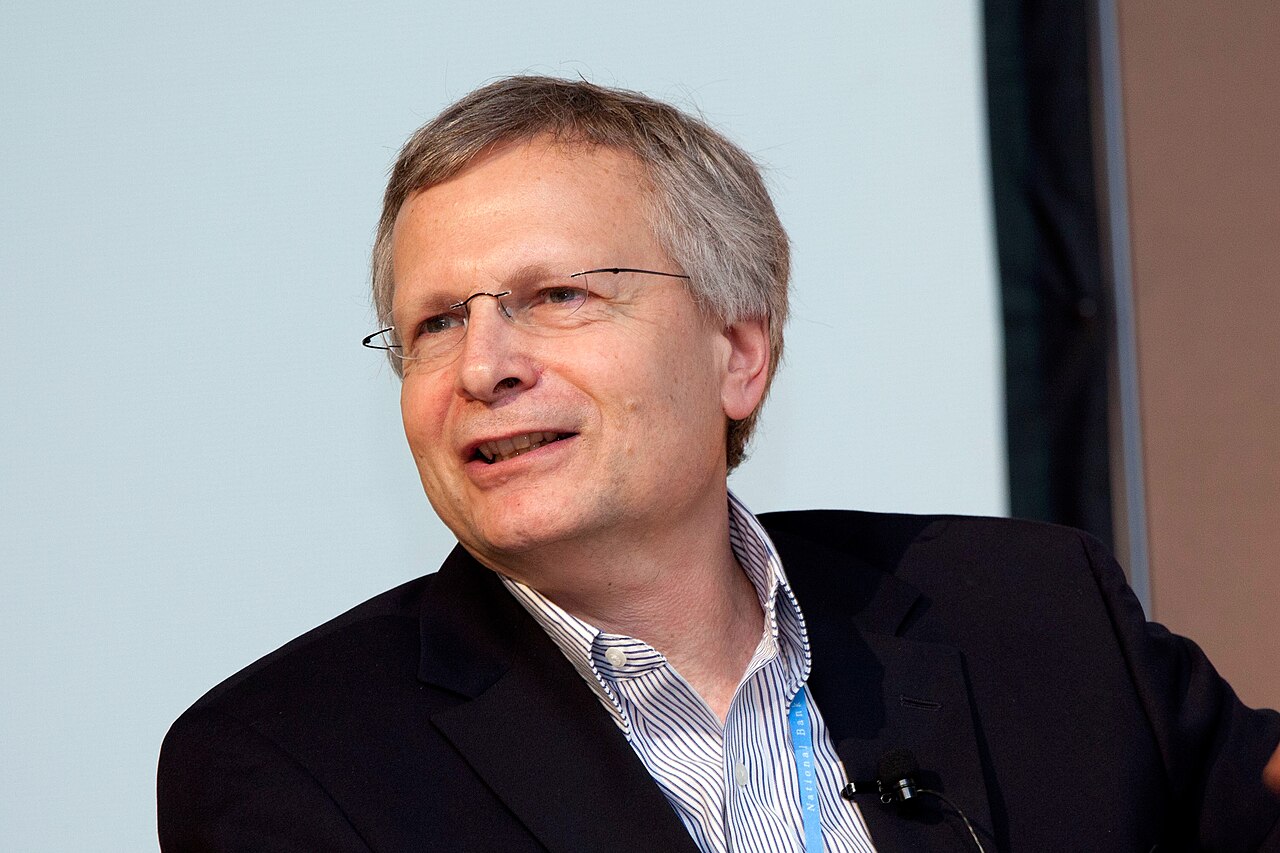

Research focus and contributions
Rodrik's research mainly addresses international economics, economic development and political economy. His work examines how globalization affects national policy choices and how domestic institutions shape economic performance. He is widely known for articulating the tradeoffs that arise when countries integrate into the global economy while trying to preserve democratic governance and national policy autonomy.
Key ideas and debates
Among Rodrik's influential contributions is the argument that hyperglobalization forces difficult choices between three goals: deep economic integration, democratic politics, and national sovereignty. This framework, often referred to in summaries of his work, highlights why governments sometimes need policy space to pursue domestic priorities. Rodrik also emphasizes empirical, context‑sensitive policymaking and cautions against one‑size‑fits‑all prescriptions in development strategy.
Books and selected works
- The Globalization Paradox — a book that critiques unfettered globalization and defends policy space for national institutions.
- One Economics, Many Recipes — a discussion of institutional diversity and why different countries may require different policies.
- Growth diagnostics — a widely cited methodology co‑authored with colleagues that helps prioritize binding constraints to growth.
Influence and public engagement
Rodrik writes for both academic and broader audiences and has shaped debates on trade, industrial policy and development reform. Policymakers and scholars often cite his insistence on testing ideas empirically and on allowing countries to experiment with differing institutional arrangements. His perspectives are a frequent point of reference in discussions about how to balance global economic integration with social protection and political accountability.
Further notes and resources
His combination of theoretical insight and policy relevance has made Rodrik a central voice in contemporary development economics. For additional material and writings consult institutional pages and collected essays linked below:
- Biography and milestones
- Selected publications
- Interviews and public talks
- Works on development policy
- Contributions to international economics
- Field overviews
- International economics resources
- Economic development resources
- Political economy resources
- Academic profile
- Kennedy School information
- Harvard University pages
- Teaching and course materials
Related articles
Author
AlegsaOnline.com Dani Rodrik: economist of globalization, development and political economy Leandro Alegsa
URL: https://en.alegsaonline.com/art/117066