
Douglass North: economist and pioneer of institutional economic history
Douglass C. North (1920–2015) was an American economist and Nobel laureate whose work established institutions and transaction costs as central to understanding long-run economic performance.
Douglass Cecil North was an American economist best known for reshaping the study of economic history. His research shifted attention from purely market-based explanations of growth toward the role of institutions — the formal and informal rules that shape incentives, reduce uncertainty, and influence economic outcomes. For this work North shared the 1993 Nobel Memorial Prize in Economic Sciences with Robert Fogel, an award that recognized how he applied economic theory and quantitative methods to explain institutional change.
Image gallery
5 Images

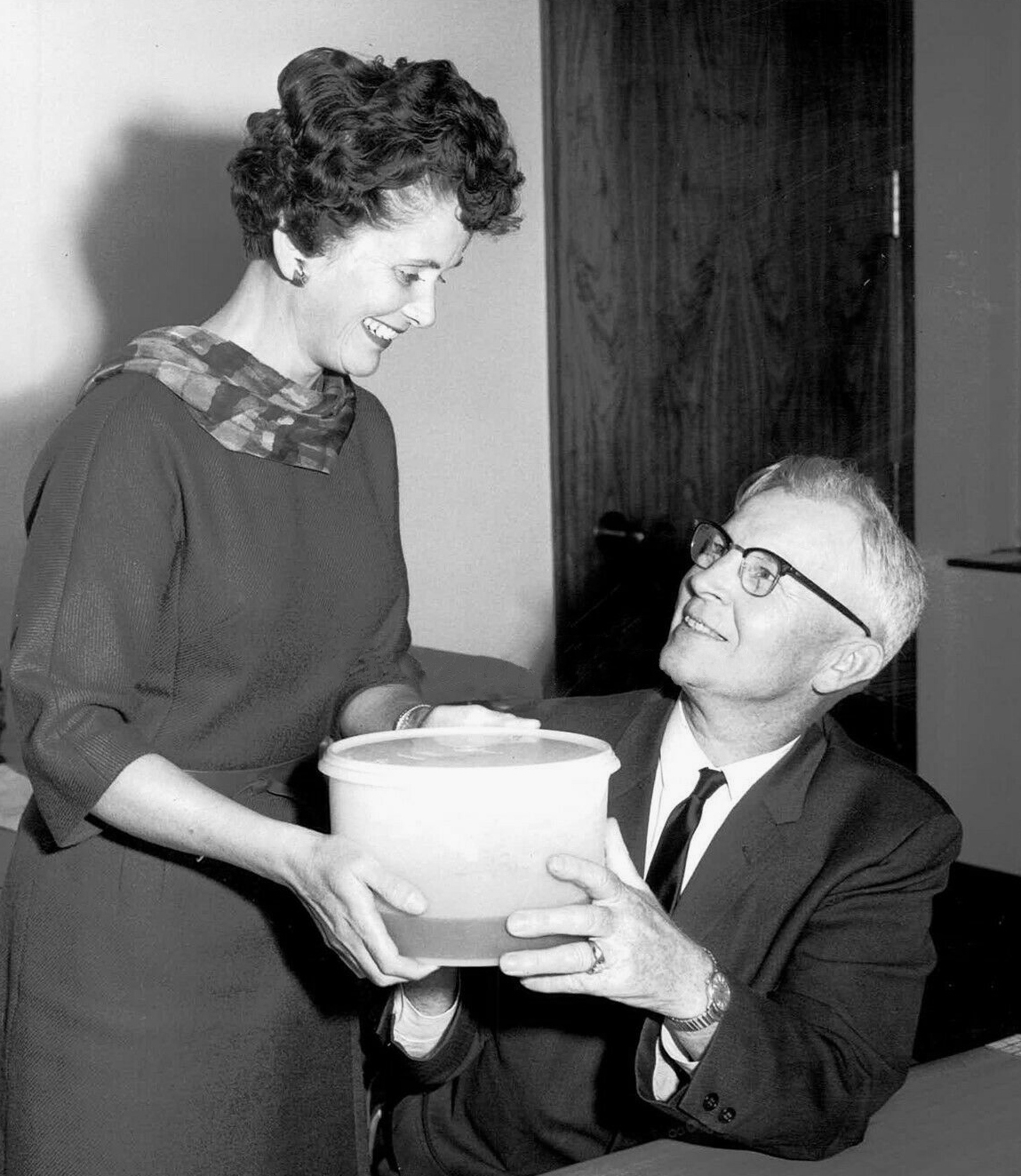


Core ideas and contributions
North argued that institutions matter because they determine the costs of exchange and enforcement of property rights. He drew on concepts such as transaction costs and path dependence to explain why similar economies can follow very different trajectories. Rather than seeing institutions as static, North analyzed how they evolve in response to political pressures, technological change, and economic incentives. This focus helped create and popularize the field often called the New Institutional Economics.
Methods, major works and examples
North combined historical evidence with formal models and quantitative analysis to study long-run economic change. His best-known book, Institutions, Institutional Change and Economic Performance (1990), synthesizes his approach: institutions as constraints, the role of information and transaction costs, and the processes that drive institutional adaptation or rigidity. He applied these ideas to diverse cases, from the emergence of markets and financial systems to why some societies industrialized earlier than others.
Influence and applications
- Scholars in economics, political science and history have used his framework to study development, governance and legal reforms.
- Policy analysts draw on his emphasis on property rights and credible institutions when designing reforms in developing countries.
- His work clarified how informal norms and formal rules interact to shape economic incentives and outcomes.
Life, recognition and later years
North was born on November 5, 1920 in Cambridge, Massachusetts. His academic and professional career included positions and affiliations at institutions such as Washington University in St. Louis, Stanford University and the University of Washington. Beyond the Nobel Prize he received numerous honors and was an influential voice in debates about economic development and reform. In 2011 he joined other laureates in signing the Stockholm memorandum on sustainability.
Notable facts
North combined rigorous theory with historical case studies, a methodological blend that changed how scholars think about institutions and economic performance. He had a family and is survived by children. He died on November 23, 2015 at his summer home in Benzonia, Michigan from esophageal cancer. His writings continue to be widely cited in discussions of why economies diverge and how institutional reform can support growth.
Related articles
Author
AlegsaOnline.com Douglass North: economist and pioneer of institutional economic history Leandro Alegsa
URL: https://en.alegsaonline.com/art/117905
Sources
- nobel-cause.de : "Stockholm Memorandum,"
- hoover.org : North's Profile
- nytimes.com : "Douglass C. North, Maverick Economist and Nobel Laureate, Dies at 95"