
Clement Attlee: British Prime Minister and Architect of the Postwar Welfare State
Clement Richard Attlee (1883–1967) led Britain as Prime Minister from 1945 to 1951, overseeing the creation of the NHS, nationalisation of key industries, expansion of social security and the early stages of decolonisation.
Overview
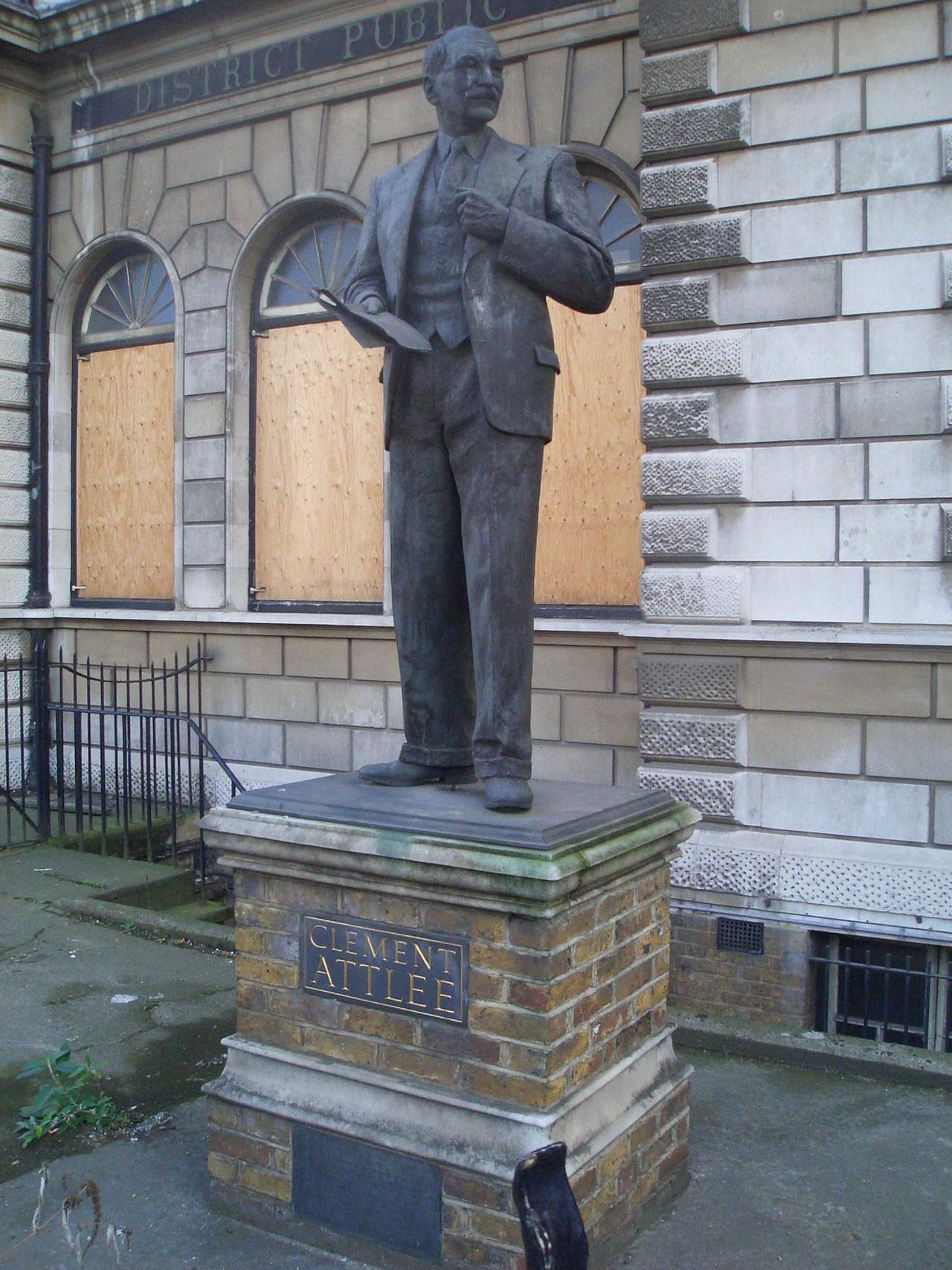
Clement Richard Attlee (1883–1967) was a British statesman and politician who served as Prime Minister from 1945 to 1951. Leader of the Labour Party, he presided over a majority government and a programme of far-reaching social and economic reform in the aftermath of the Second World War.
Image gallery
10 Images





Political career and context
Attlee became leader of the Labour Party in the 1930s and led it into the 1945 general election. His administration was the first Labour government to command an overall majority in the House of Commons, a milestone often noted when discussing the modern British welfare state and postwar reconstruction (first Labour majority). His pragmatic, consensus-driven style contrasted with more flamboyant contemporaries.
Major reforms and policies
The Attlee government launched a programme to reshape Britain’s social and economic institutions. Key measures included:
- National Health Service — a publicly funded health system providing medical care free at the point of use.
- Social security reforms — expansion of benefits and the modern welfare safety net.
- Nationalisation — bringing coal, railways, steel and some utilities into public ownership to coordinate recovery and investment.
- Housing and reconstruction — large-scale council housing and rebuilding after wartime damage.
These measures are frequently grouped under the term welfare state, reflecting a commitment to collective provision of basic social needs.
Leadership style and significance
Attlee’s manner was low-key and managerial. He emphasized competent administration, collective cabinet responsibility and steady implementation of policy. His government set foundations that shaped British social policy for decades, while also managing early postwar challenges such as rationing, economic austerity and the beginning of decolonisation.
Later life, honours and death
After leaving office Attlee accepted a peerage and joined the House of Lords, adopting the title given on retirement (Earl Attlee). He received several state honours and remained an influential figure within his party. Attlee died of pneumonia in 1967 and was buried in Westminster Abbey, leaving a legacy as a central figure in Britain’s twentieth-century political and social transformation.
Related articles
Author
AlegsaOnline.com Clement Attlee: British Prime Minister and Architect of the Postwar Welfare State Leandro Alegsa
URL: https://en.alegsaonline.com/art/116693