
Cliff Burton — Metallica bassist and influential heavy metal musician
Biography and legacy of Clifford Lee Burton (1962–1986), Metallica's bass player from 1982–1986: his style, recordings, gear, death on tour, and lasting influence on heavy metal bass playing.
Clifford Lee Burton (February 10, 1962 – September 27, 1986) was an American bassist and songwriter best known for his work with the band Metallica. He joined the group in 1982 and played on the band's first three studio albums, helping to shape their sound during the formative years of modern heavy metal. Burton's approach combined melodic sensibility, aggressive tone, and an adventurous role for the bass in a guitar-dominated genre.
Image gallery
6 Images


Musical style and techniques
Burton expanded the traditional role of the bass in metal by using distorted tones, unconventional harmonies and the wah pedal for expressive solos. He favored a lead-like presence in many arrangements, often taking melodic lines or countermelodies rather than staying strictly in the rhythm section. His technique blended classical-influenced phrasing, rock attack and an experimental use of effects, which made the bass a prominent element of the band’s texture and songwriting.
Equipment and sound
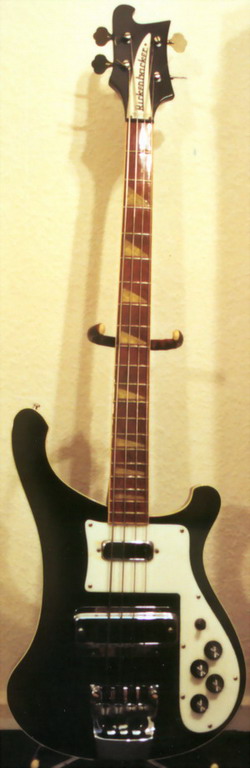
Cliff's sound was shaped by his instrument choice and effects. He is widely associated with distinctive bass tones, achieved through the use of a fretted electric bass, amplification and pedals; he also used the bass guitar as a lead instrument in studio and on stage. He often employed a wah-wah pedal to get the vocal, sweeping lines heard on several recordings, and pursued a thick, overdriven tone that cut through the group’s twin-guitar attack.
Career and recordings
After joining Metallica, Burton contributed to the band's early songwriting and arrangements. He appears on the albums Kill ’Em All, Ride the Lightning and Master of Puppets, each of which played a role in defining the thrash metal genre. His bass lines and ideas are credited on several influential tracks and he was known within the band for bringing musical theory and harmonic ideas into the creative process.
Death and immediate aftermath
Burton died in a bus accident while Metallica was touring in Sweden in 1986. The loss was sudden and had a profound impact on his bandmates, fans and the metal community worldwide. Following his death, Metallica continued with a new bassist, and Burton's recorded work with the band remained central to their early legacy and influence.
Legacy and influence
Cliff Burton is widely remembered as a musician who broadened what the electric bass could do within heavy metal. His melodic approach and willingness to use effects and theory inspired many later bassists and bands. Tributes, retrospective analyses and musicians’ accounts emphasize his creative contributions to Metallica’s formative sound and his ongoing influence on generations of metal players and fans.
- Notable albums: Kill ’Em All, Ride the Lightning, Master of Puppets.
- Role: pioneering metal bass techniques and songwriting collaborator.
- Association: founding-era member of Metallica.
For more detailed discographies, interviews and archival materials, see additional resources and dedicated retrospectives on Burton’s life and career. His influence remains a frequent subject of study among musicians and scholars interested in the evolution of heavy music and bass performance practice.
Related articles
Author
AlegsaOnline.com Cliff Burton — Metallica bassist and influential heavy metal musician Leandro Alegsa
URL: https://en.alegsaonline.com/art/116698
Sources
- ultimateclassicrock.com : "26 Years Ago: Metallica Bassist Cliff Burton Dies in a Bus Accident"